A historic core with a lot of new housing around it
Sanford is the most populous of the Seminole County cities on this site, with 63,730 residents in the Census estimates for 2020–2024. Its median home dates from 1994, but that middle figure hides a split. About one home in five was built before 1970, while 41.7% went up in 2000 or later (Census ACS via Census Reporter).
The old end of that range is concentrated in the Sanford Residential Historic District, listed on the National Register with about 434 contributing resources built between the 1880s and the early 1930s (Sanford Residential Historic District). Homes of that era were built with site-built masonry fireplaces, if they had one at all. The newer subdivisions are more likely to have factory-built fireplaces in framed chases. Neither statement is a count; it’s what the build dates suggest, and the first visit confirms what’s actually there.
Chimneys in the historic district
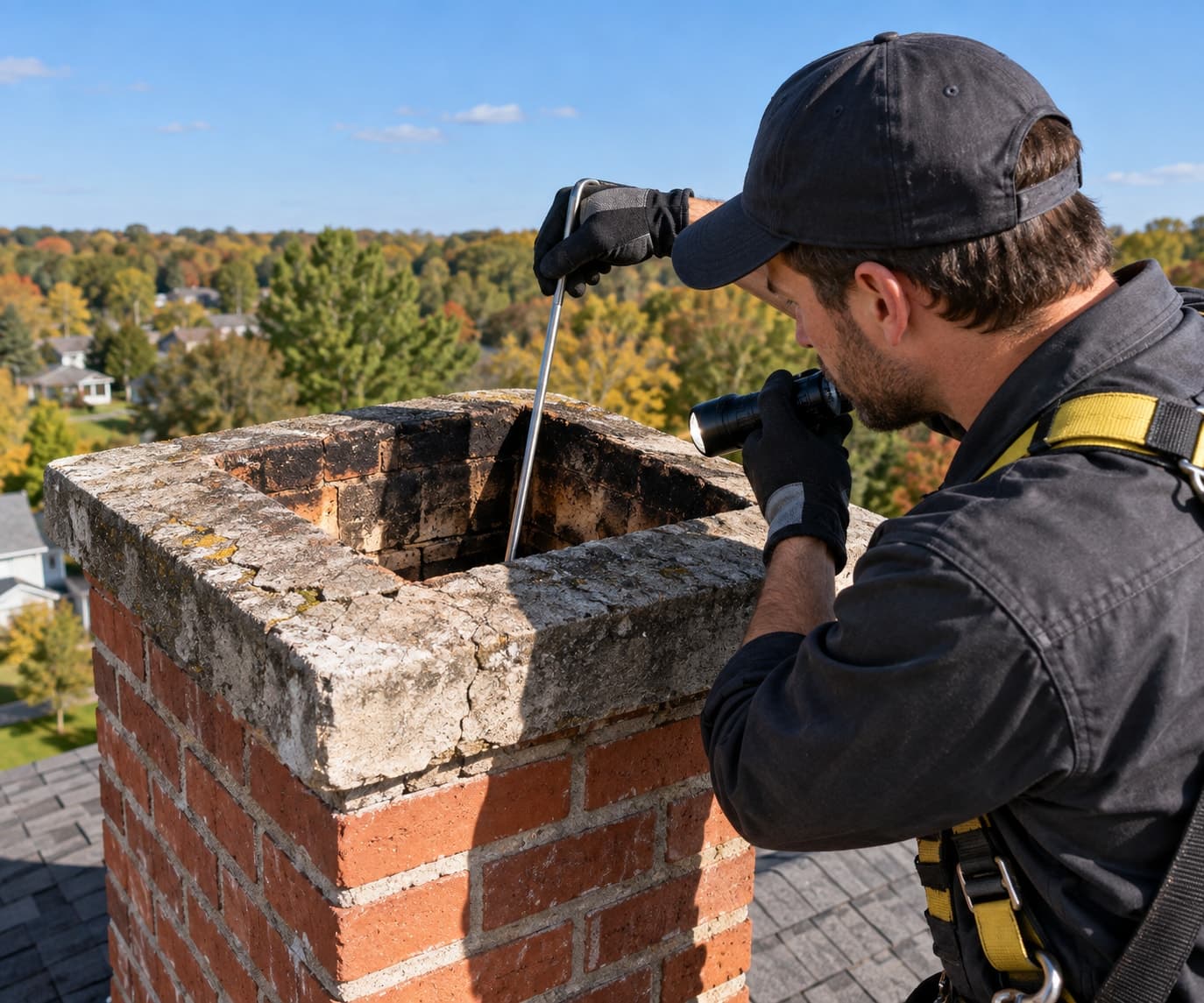
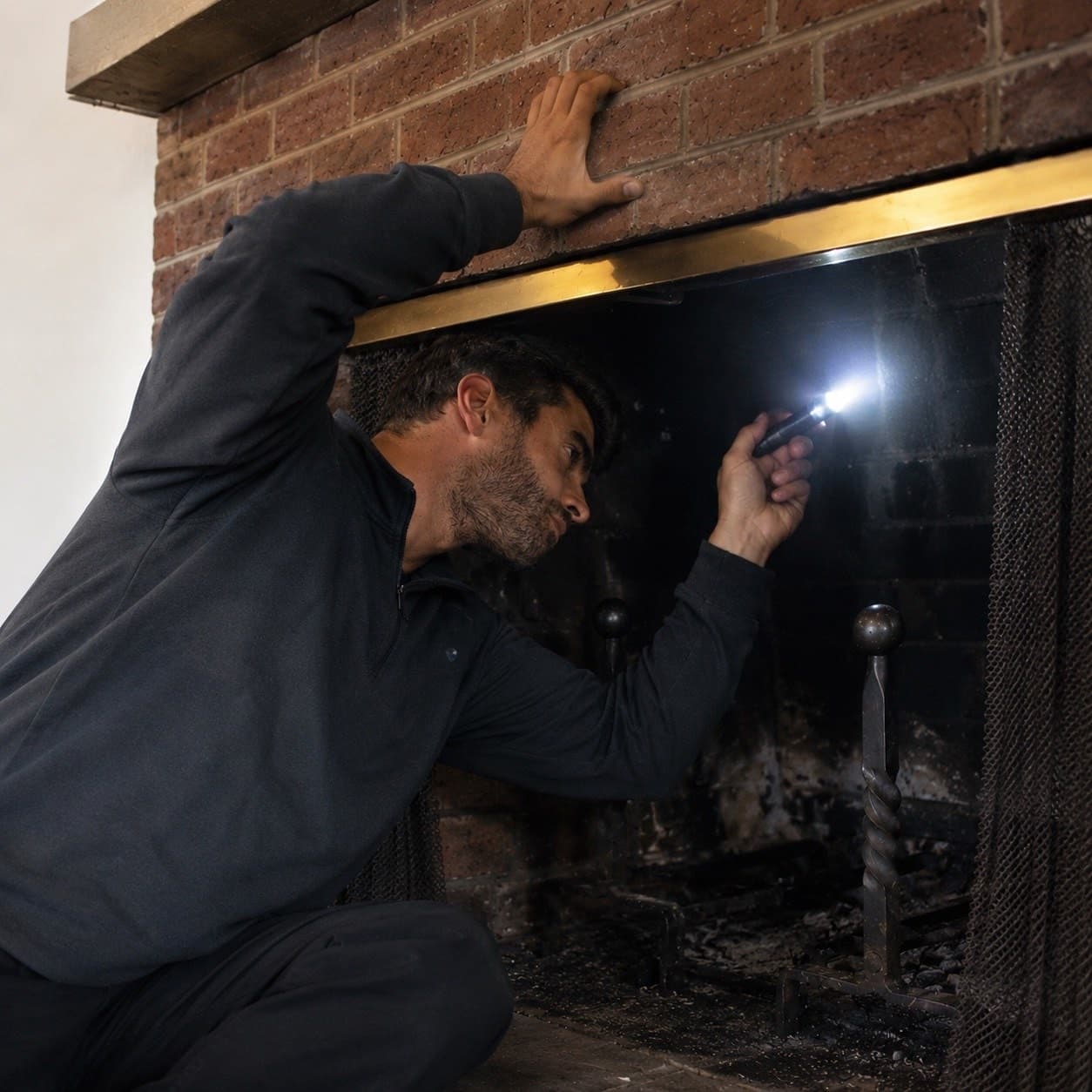
A chimney built a century ago was designed for coal or wood heat, often served more than one room, and was not necessarily built with a flue liner. Some were lined later, some were partly taken down during reroofs, and some had fireplaces closed off inside while the stack stayed up outside. Before using one of these fireplaces, you want to know three things: whether the flue is lined, whether the liner is continuous, and whether the brick at the top is still solid.
What we check on a Sanford historic-district chimney
- Whether a flue liner exists, and its condition from bottom to top
- Mortar joints and brick faces in the upper courses, where weather hits hardest
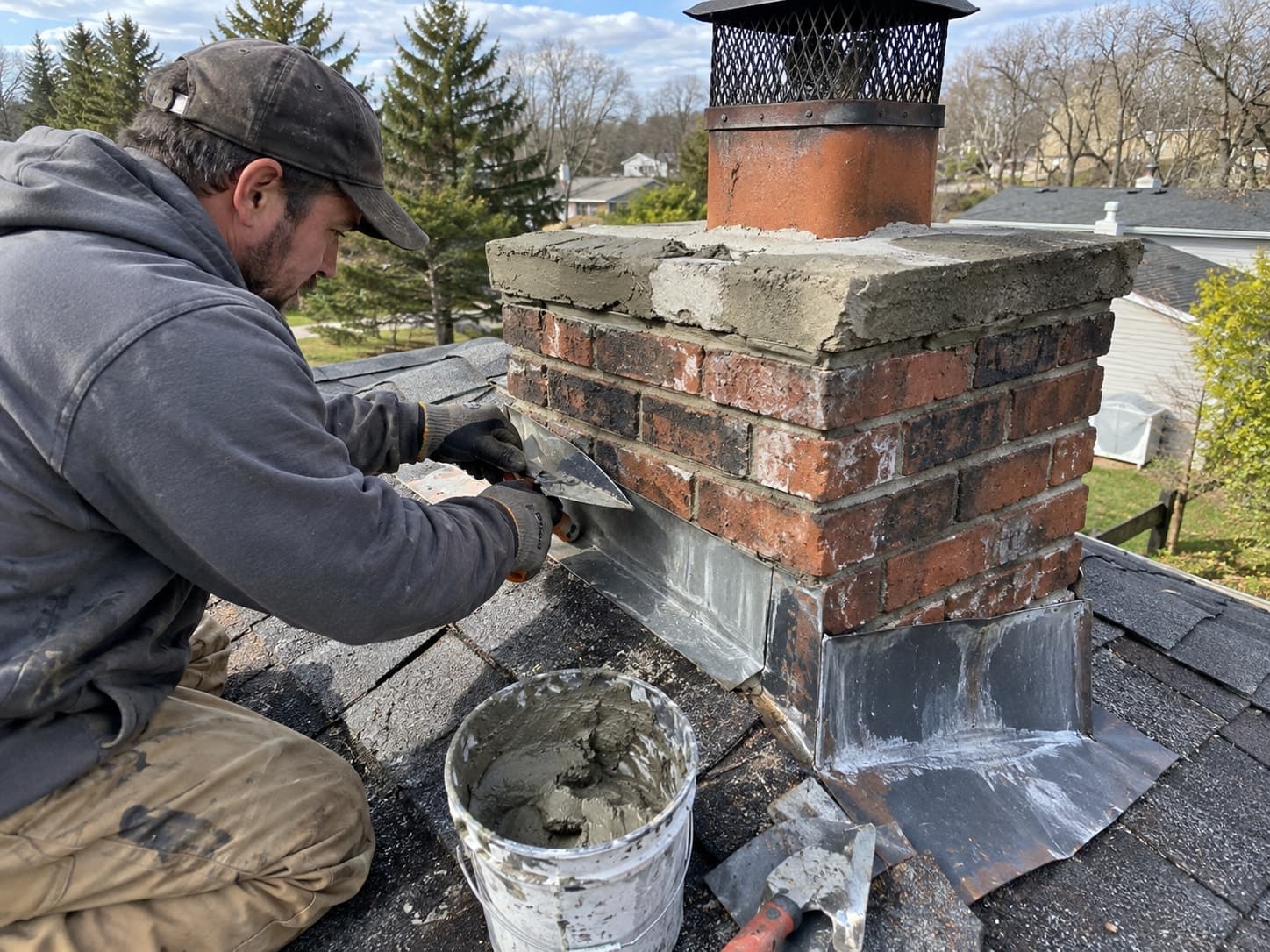
- The crown or top wash, which on very old chimneys may be little more than a mortar cap
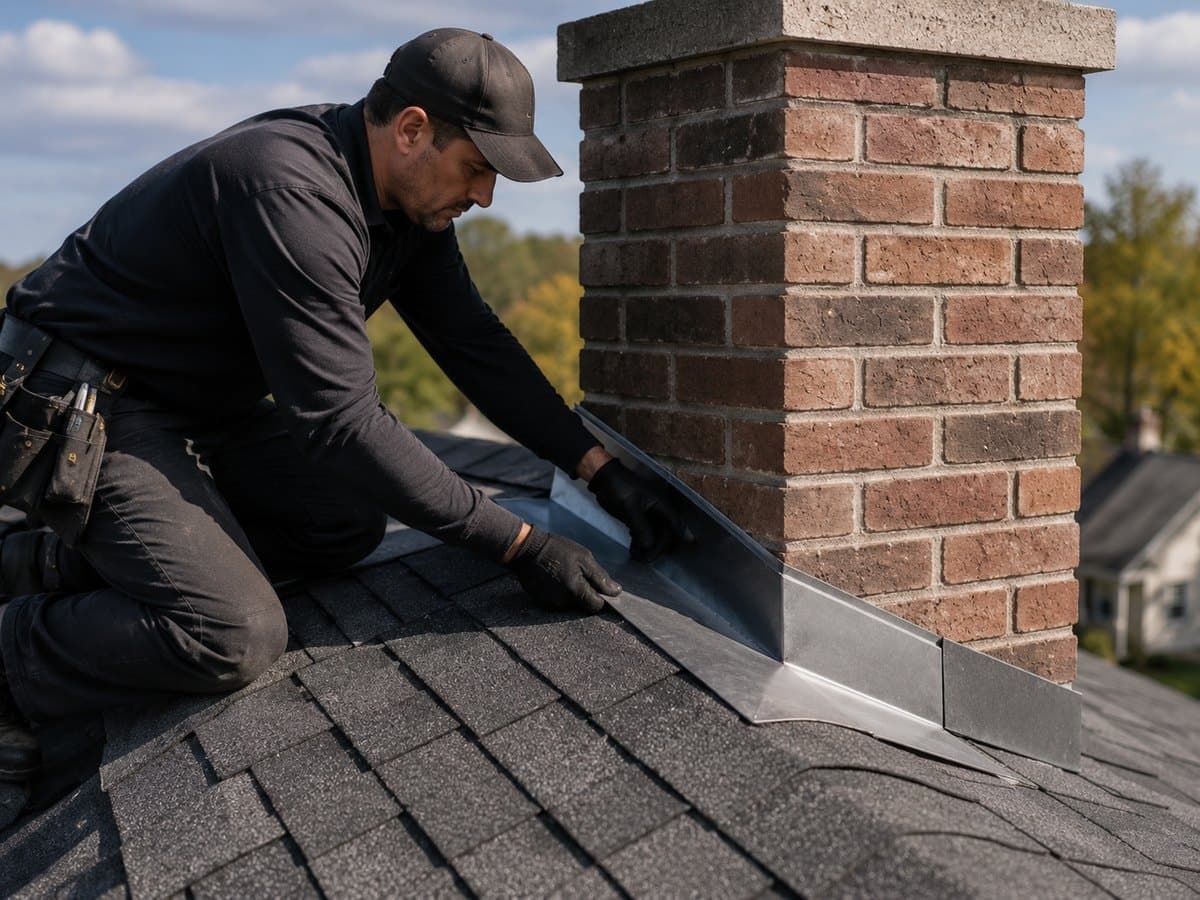
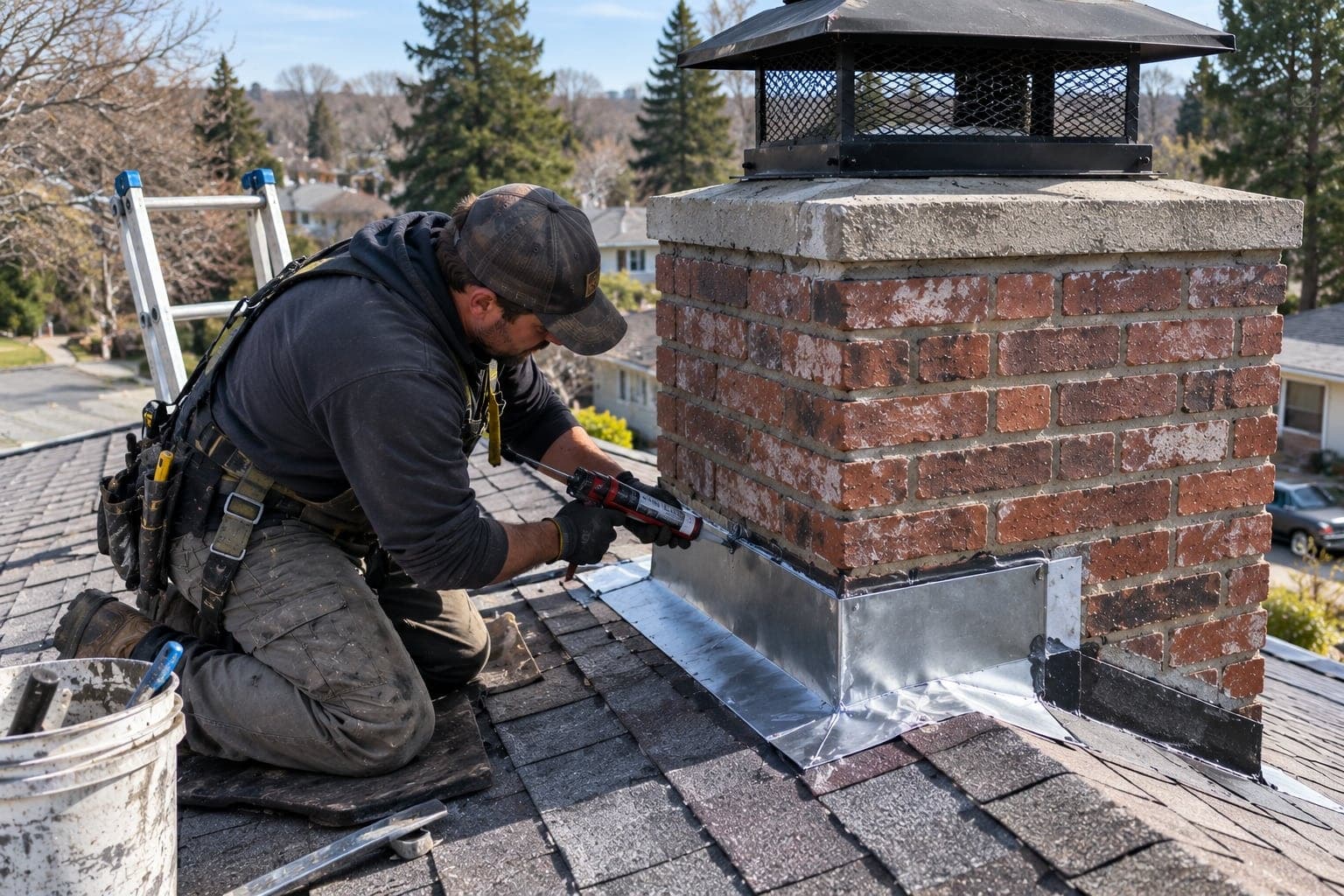
- Flashing where the chimney passes through a roof that has likely been replaced several times
- Closed-off fireplace openings and whether any other appliance vents into the same flue
- Signs of animals or nests at the top of an uncapped flue
Repairs on masonry this old should use materials compatible with the original brick. Masonry repair on a historic Sanford chimney is usually a combination of crown work, repointing with a suitably soft mortar and, where the flue is unlined or broken, a liner so the chimney can be used again. If your home is a contributing building in the historic district, check with the City of Sanford about any review required for exterior changes before work is scheduled.
Lake Monroe, the St. Johns River and storm water
Sanford sits on the south shore of Lake Monroe, part of the St. Johns River. During Hurricane Ian in 2022 there was historic flooding along the St. Johns River (Spectrum News 13). River flooding isn’t a chimney problem in itself. What Ian showed is how long a slow storm can keep water falling on a roof, and a chimney’s crown, flashing and cap take all of it.
FEMA’s review of Ian found that water got into homes where roof coverings and roof penetrations were damaged, leading to wet insulation and mold (FEMA). A chimney is the largest penetration on most roofs. If you noticed staining after a storm, or you haven’t looked at the chimney since one, a leak-tracing visit starts with finding where water actually enters.
Newer Sanford subdivisions
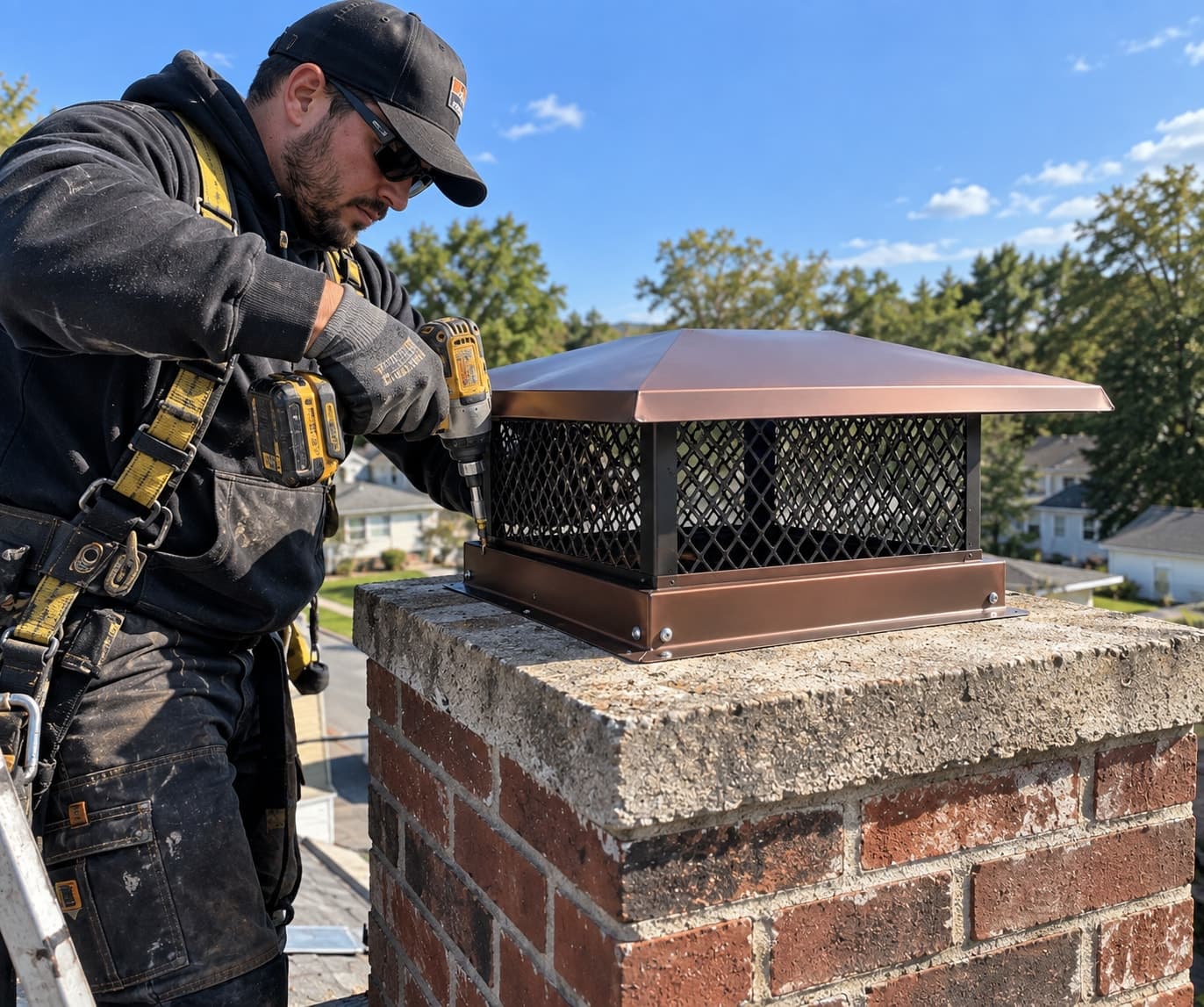
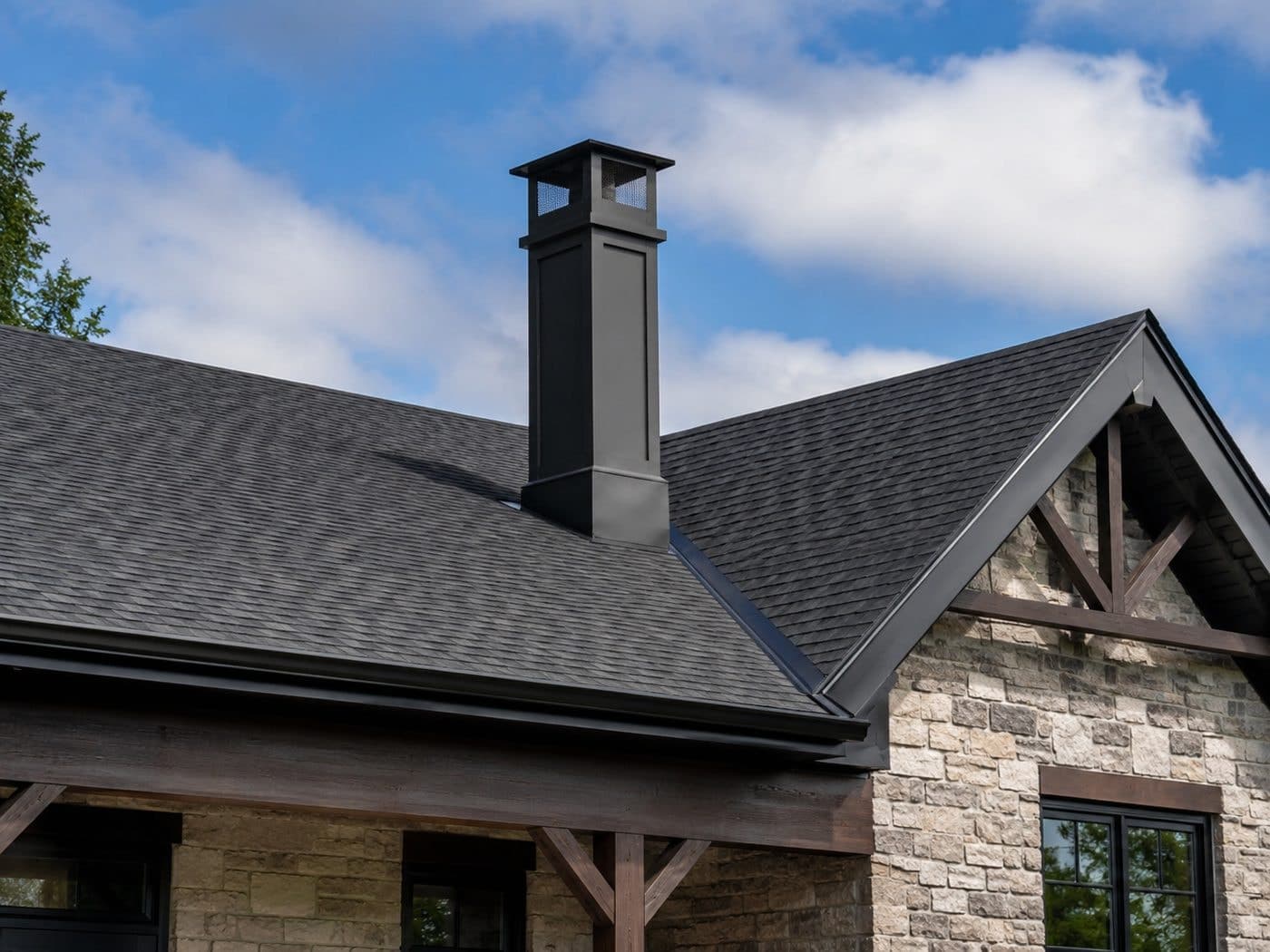
In the 2000s-and-later neighborhoods, the usual chimney concern moves from brick to sheet metal. A factory-built fireplace vents through a metal flue inside a wood-framed chase, and the top of that chase is covered by a metal chase cover. When the cover rusts or sags, water pools on it and runs down inside the chase. Rust streaks on the siding or stucco under the chase are the classic sign, and the usual answer is a sloped replacement cover.
Dryer vents in old and new houses alike
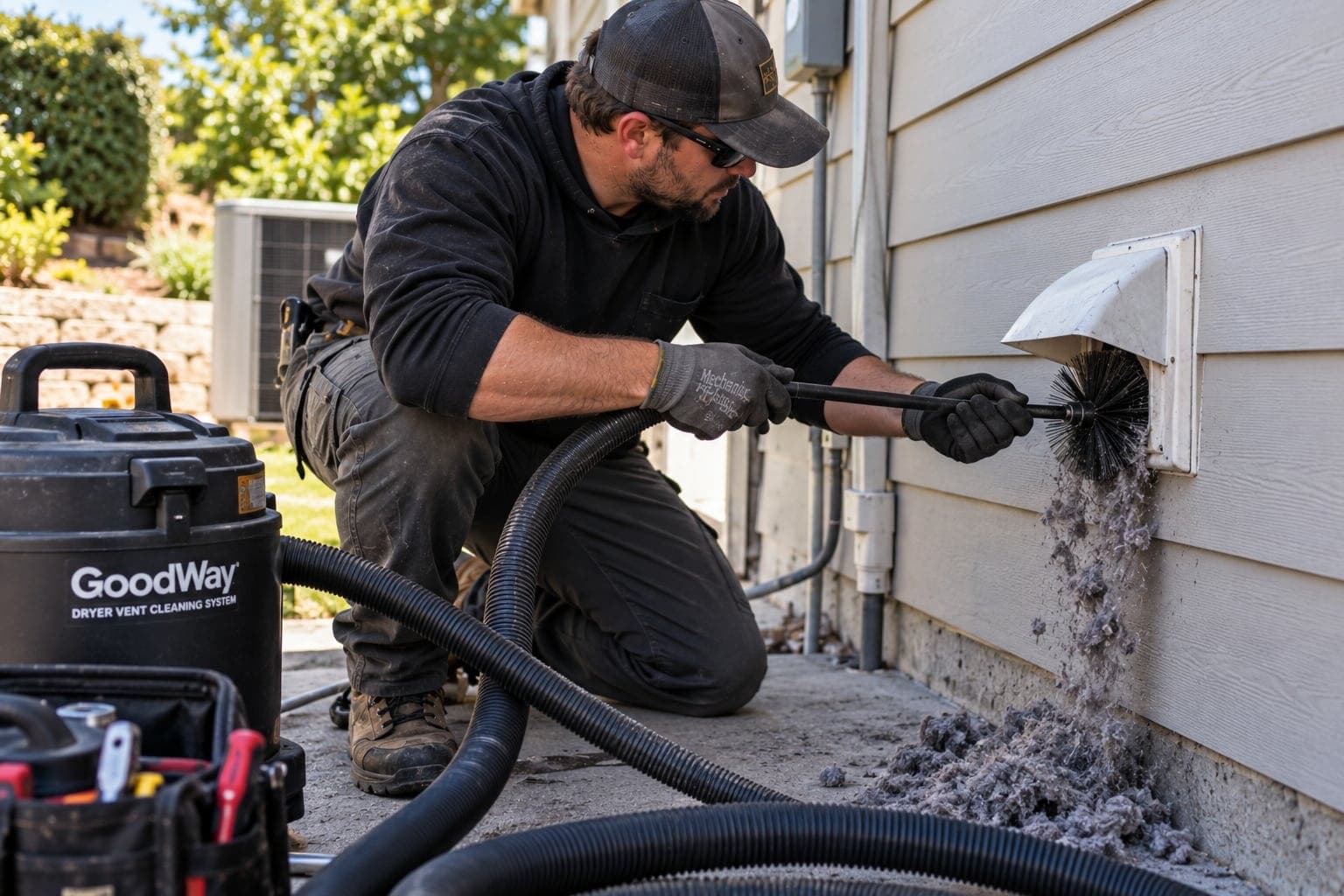
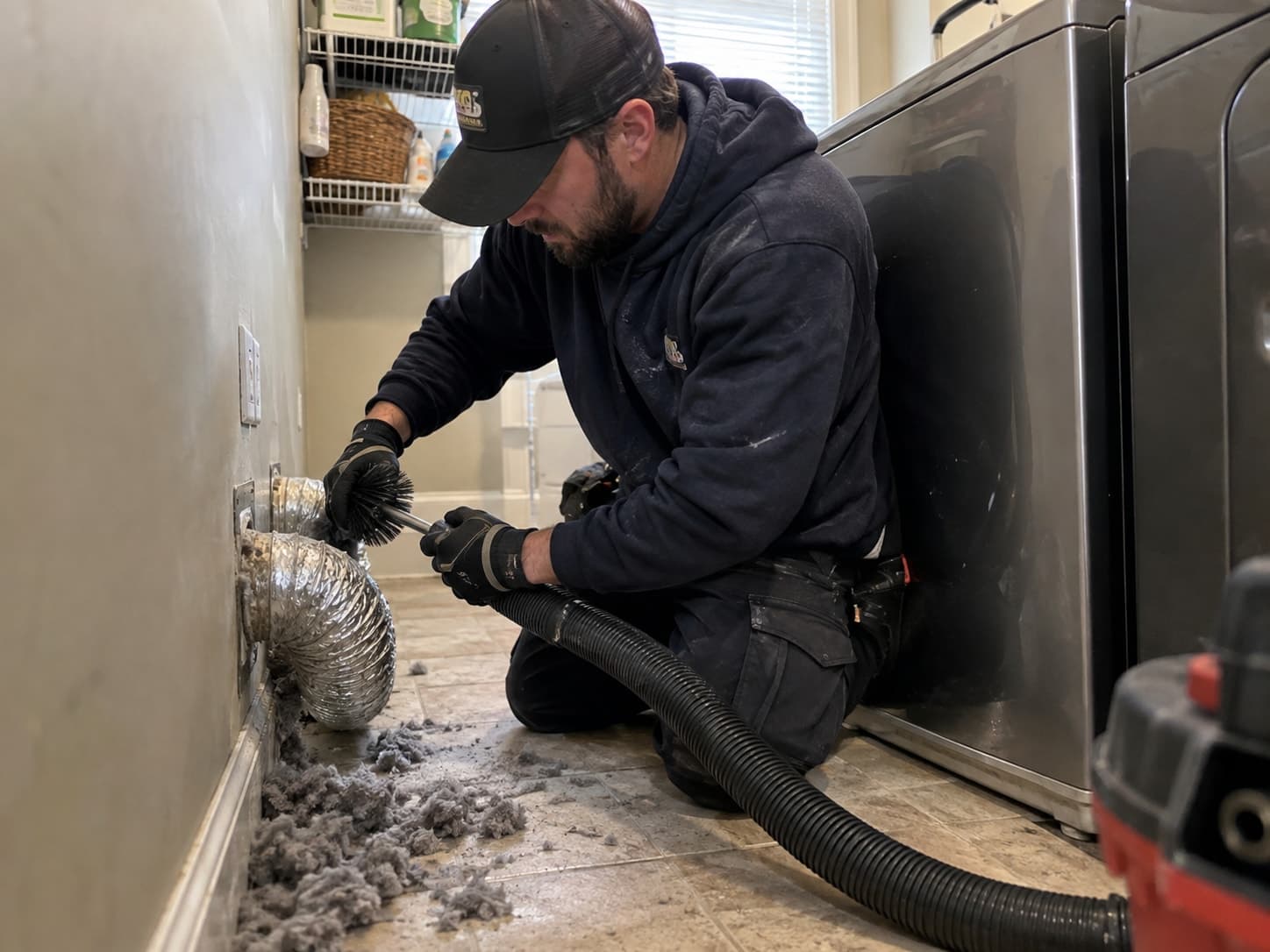
Dryer vents are the one service that applies to nearly every Sanford home, old or new. In older houses, laundry areas were often added later, and the vent may snake through a crawlspace or wall with flexible foil duct. In newer ones, interior laundry rooms can mean long runs. Florida’s residential code requires a smooth metal duct, a maximum developed length of 35 feet reduced for each fitting, and a backdraft damper with no screen at the outside end (FBC-Residential M1502).
The fire risk is real. The U.S. Fire Administration estimated about 2,900 residential clothes dryer fires a year, with failure to clean as the leading factor (USFA). A Sanford dryer vent cleaning clears the full duct, and we note any foil hose, screened cap or crushed section that should be corrected.
Chimney swifts in older chimneys
Tall, uncapped masonry chimneys like the ones in Sanford’s older neighborhoods are the kind of structure chimney swifts use. The birds are protected by the Migratory Bird Treaty Act, so an active nest can’t be removed. Cleaning and capping happen after the nesting season ends (USFWS).
From the historic districts to the newer edges of the city
Besides the residential historic district, Sanford has the Georgetown Historic District and the Goldsboro neighborhood, where many homes are older and chimneys, if they survive, are usually brick. Elsewhere, subdivisions such as Mayfair and Dreamwold and the newer streets toward the city’s edges hold homes from many decades, so brick and factory-built fireplaces are both in the mix. The visit depends on the house more than the neighborhood:
- Buying or reopening an older fireplace: chimney inspection for Sanford homes, including the full flue.
- A fireplace used every winter: chimney sweeping in Sanford before the cool months.
- Heavy soot, nests or a smell after the rainy season: a thorough chimney cleaning, after any swifts have left.
- Cracked firebrick, a rusted damper or a fireplace that smokes into the room: fireplace repair in Sanford.
Sanford borders Lake Mary to the south, and chimney and vent service in Lake Mary and homes around Longwood are covered the same way.
References (7)
Facts and figures on this page come from these references.
- 1Census Reporter: Sanford city, ACS 2020–2024
- 2Sanford Residential Historic District (NRHP summary)
- 3Spectrum News 13: Ian, a historic storm for Central Florida
- 4FEMA MAT Hurricane Ian Recovery Advisory 3
- 5Florida Building Code, Residential 2023, Chapter 15 (M1502)
- 6USFA: Clothes dryer fires in residential buildings
- 7USFWS: Chimney swifts