On this page
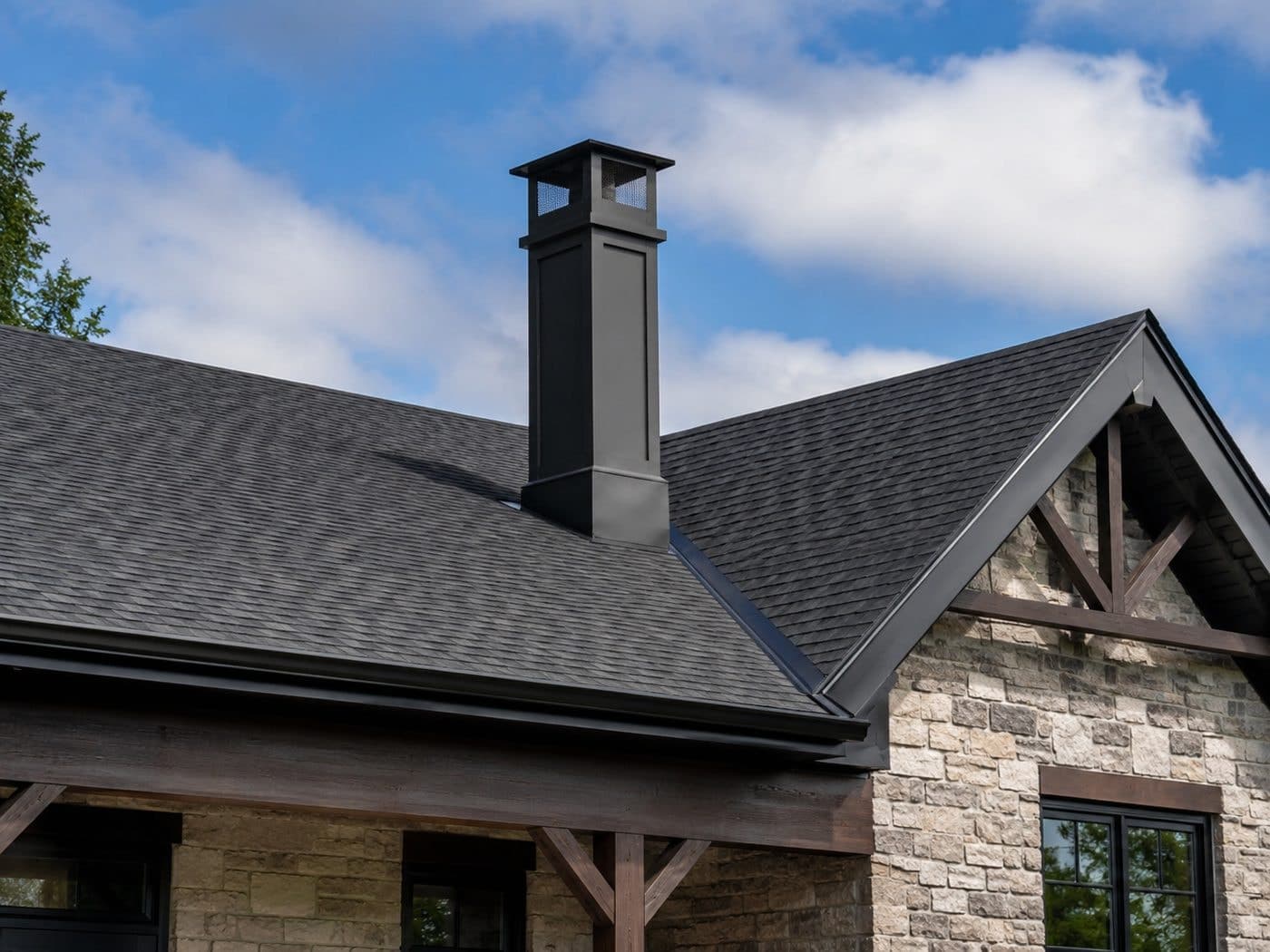
Most animals that end up in a chimney simply walked or flew in through the top. A screen is the barrier that stops that. It can be part of a full cap with a rain hood, or a band of mesh fastened around the top of the flue where a hood isn’t needed. Either way the job is the same: close every gap an animal could use, without choking the draft.
What a good animal screen needs
- The right mesh size. Tight enough to stop birds, bats and rodents, open enough that soot doesn’t clog it quickly.
- Full coverage. Every side of the flue is closed, with no gaps where the screen meets the tile or crown.
- Solid attachment. Raccoons and squirrels test screens. Fasteners go into the flue tile, crown or chimney walls, not just a friction fit.
- Corrosion resistance. Stainless mesh holds up far better than galvanized in Central Florida humidity.
- Enough open area. The screen can’t shrink the flue outlet enough to hurt the draft.
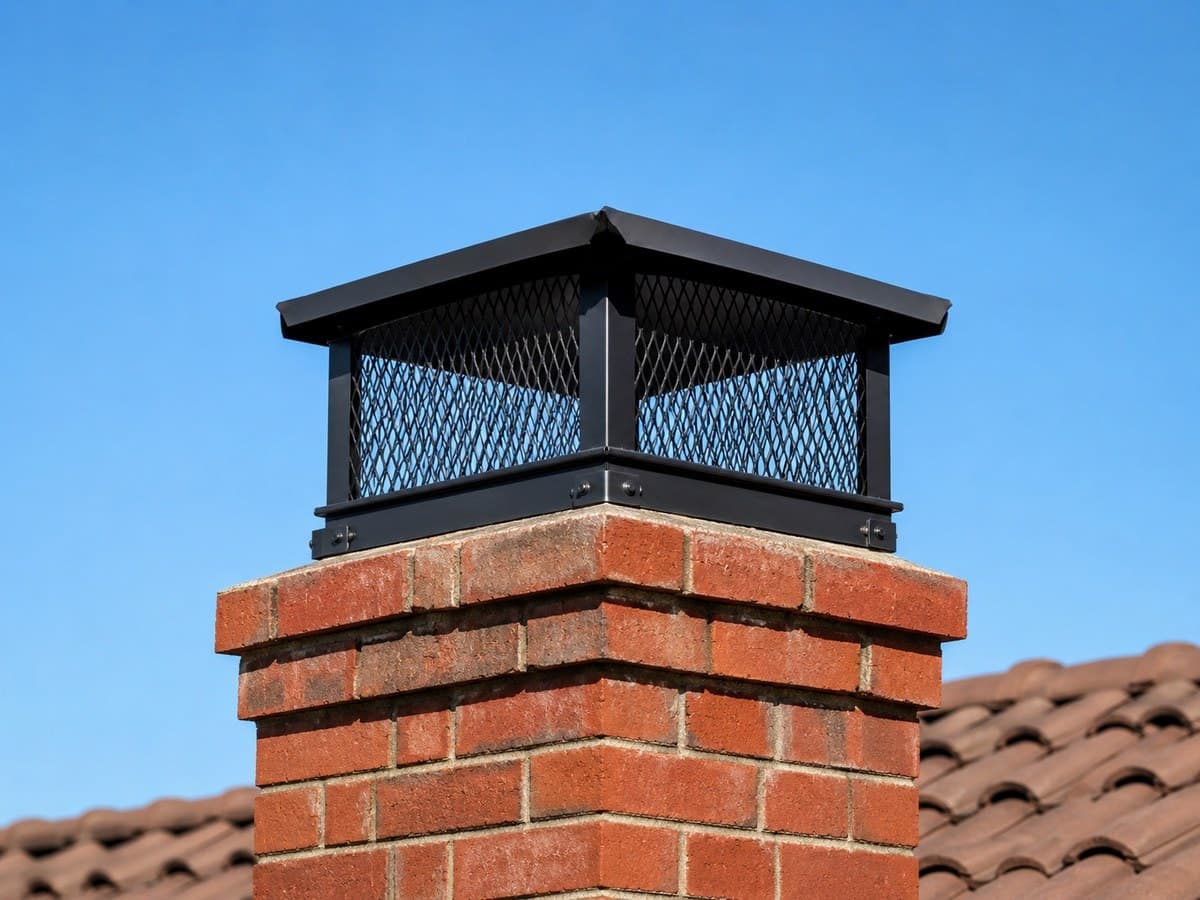
Where the chimney burns wood, the same mesh also works as a spark arrestor, and the Florida Building Code sets limits on its opening size and open area. That’s covered on spark arrestor installation.
Damaged, clogged or missing screens
An existing screen fails in a few predictable ways: mesh torn by a raccoon, rusted galvanized mesh that has opened up, a screen knocked loose in a storm, or mesh so packed with soot that the fire starts smoking. Torn or rusted mesh is replaced rather than patched, because a patch is where the next animal pushes through. If the whole cap is corroded, replacing the cap with a screened stainless model is usually the better fix.
Timing around protected wildlife
A screen should never trap an animal inside. That makes timing as important as the hardware:
- Chimney swifts are protected under the Migratory Bird Treaty Act (USFWS). If swifts are nesting, the screen waits until the young have left in late summer or fall (FWC).
- Bats can only be excluded in Florida from August 15 to April 15, outside the maternity season (FWC).
- Squirrels and raccoons must be out before the flue is closed. Live animals are removed by a nuisance wildlife trapper first; see chimney animal removal.
How screen installation works
Confirm the flue is empty
A look up the flue and a check for activity, so nothing is sealed in.
Clear old nests
Nesting material and debris are removed from the flue and smoke shelf before the top is closed.
Measure
Flue tile size and height above the crown, or the full crown for multi-flue chimneys.
Install and fasten
The screen or screened cap is fitted and fastened so it can’t be pried or blown loose.
Check the chase
On factory-built chimneys, gaps around the chase cover and siding are checked, since animals often enter there instead.
Screens on factory-built chimneys
Factory-built chimneys have a listed termination cap that usually includes screening already. When animals get in anyway, the usual culprits are a damaged cap, a rusted chase cover with gaps, or loose siding on the chase. We don’t add aftermarket mesh to a listed termination cap. Instead, the listed cap is repaired or replaced and the chase is closed up.
Proofing a chimney properly
Screening a flue is only part of the job. An animal that has decided your chimney is a good place to live will try the other openings too, and a chase or a masonry stack has more of them than people expect.
Openings checked when a chimney is proofed
- The flue opening itself, which is the obvious one
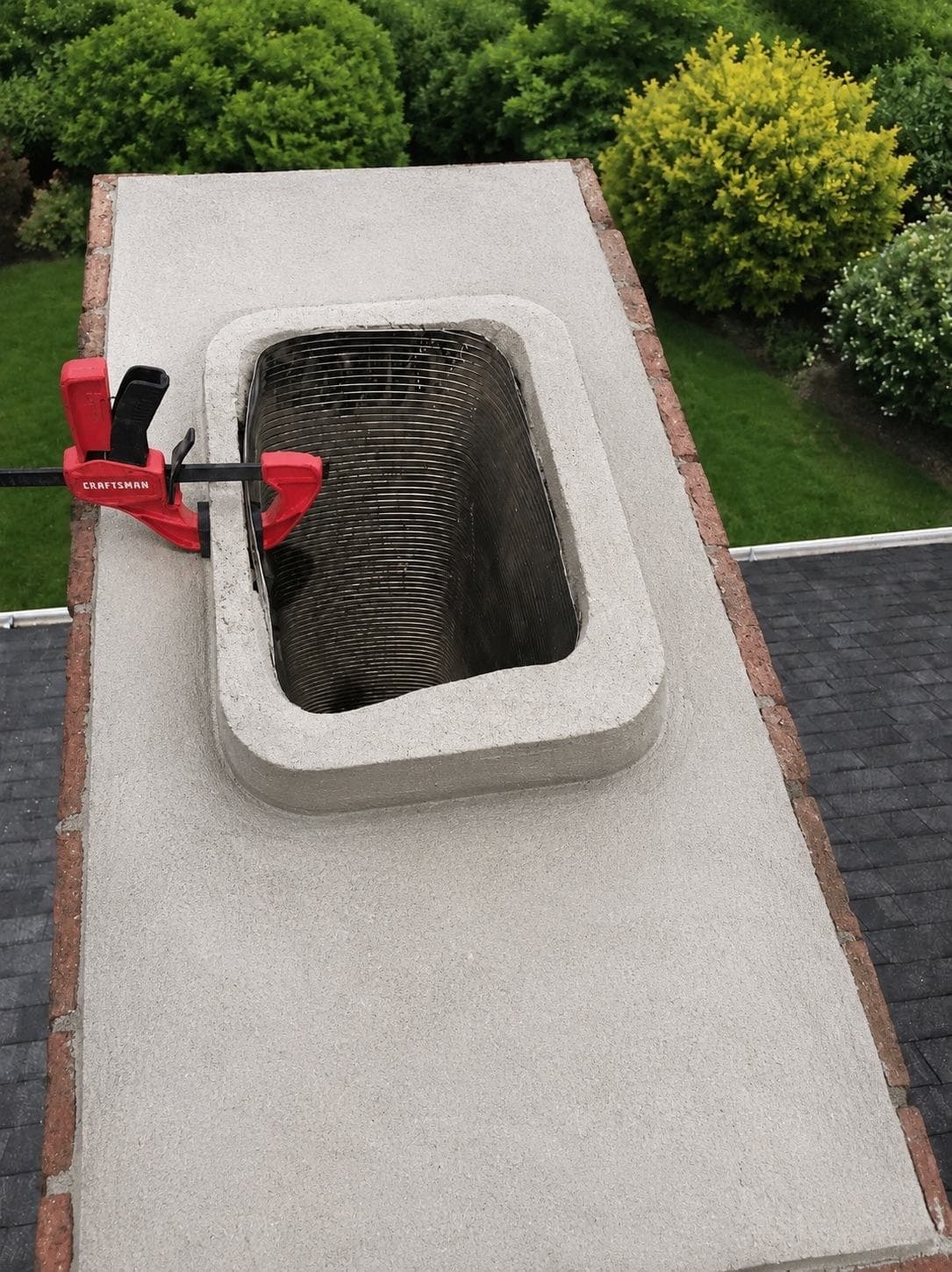
- Gaps between the crown and the flue tile, wide enough for bats and small birds
- The joint where a chase cover meets the chase, on a factory-built chimney
- Damaged or missing siding on a framed chase
- Louvred or vented sections on some prefab terminations
- The ash cleanout door at the base, if it no longer closes
- Gaps at the flashing line where the chimney meets the roof
Screening the top while leaving a gap at the crown simply moves the problem. That is the usual reason animals come back after a screen has supposedly solved it.
Timing is a legal question, not just a practical one
This is the part that catches people out, and it is worth understanding before booking.
Chimney swifts are protected under the federal Migratory Bird Treaty Act, and an active nest cannot legally be removed or sealed in (USFWS). Sealing a flue with birds in it is both illegal and a fast route to a far worse problem. Bats are covered separately: Florida sets a maternity season of 16 April to 14 August, during which exclusion is not permitted (FWC).
| Situation | What happens |
|---|---|
| Flue is empty | Screening goes ahead straight away |
| Old, inactive nest material only | Cleared, then screened on the same visit |
| Active swift nest | Screening waits until the birds have left of their own accord |
| Bats present, 16 April to 14 August | Exclusion waits until after the maternity season |
| Bats present, outside that window | Exclusion by a qualified wildlife professional first, then screening |
| Raccoon or squirrel in the flue | A nuisance wildlife trapper removes the animal; we screen once it is confirmed empty |
Never seal a chimney to solve an animal problem
Sealing the top with something inside traps the animal, which then either dies in the flue or finds its way into the house. Both outcomes are worse and more expensive than waiting. It is also unlawful with protected species.
Getting an animal or a nest out is covered on chimney animal and nest removal, and the symptom pages on birds in the chimney and animals in the chimney explain what to do in the meantime.
Screen, cap or spark arrestor?
These three overlap heavily and are frequently the same physical component. A stainless cap with mesh sides excludes animals, stops embers and keeps rain out at once, and is usually cheaper than buying the functions separately — see chimney cap installation and spark arrestor installation.
A dedicated animal screen makes sense where a cap is already fitted and sound but the mesh is missing, damaged or the wrong gauge, or where the opening being proofed is not the flue at all but a gap at the crown or the chase.
Screening and proofing is available across Orlando, Winter Park, Apopka, Maitland, Oviedo, Clermont and the rest of the Orlando service area. Estimates are free, and the visit includes checking the other openings rather than just the one you called about.
References (3)
Facts and figures on this page come from these references.