On this page
First question: masonry or factory-built?
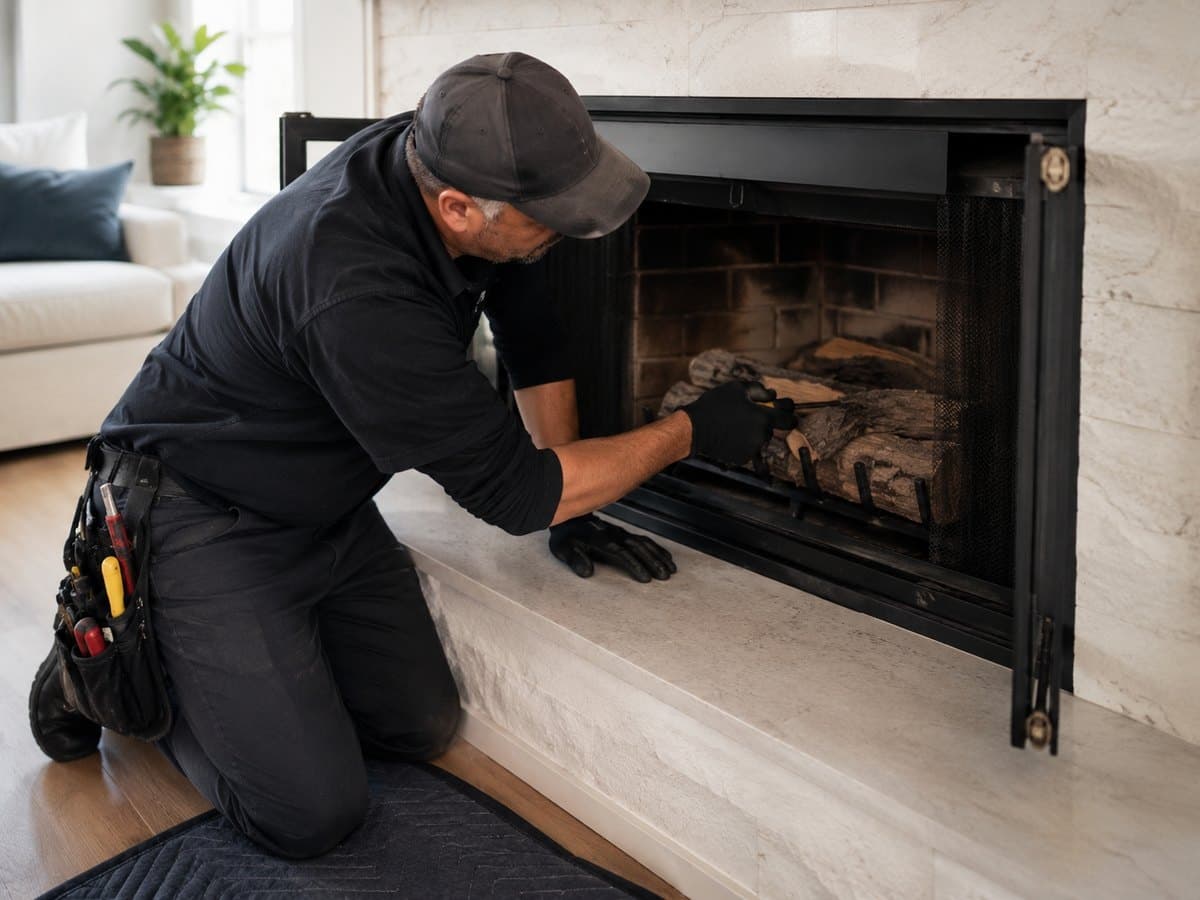
Every fireplace repair starts with knowing which type you have, because the two are fixed in completely different ways. A masonry fireplace is built on site from firebrick, brick or block, with a brick or stucco chimney above it. It is repaired with masonry materials that meet the building code.
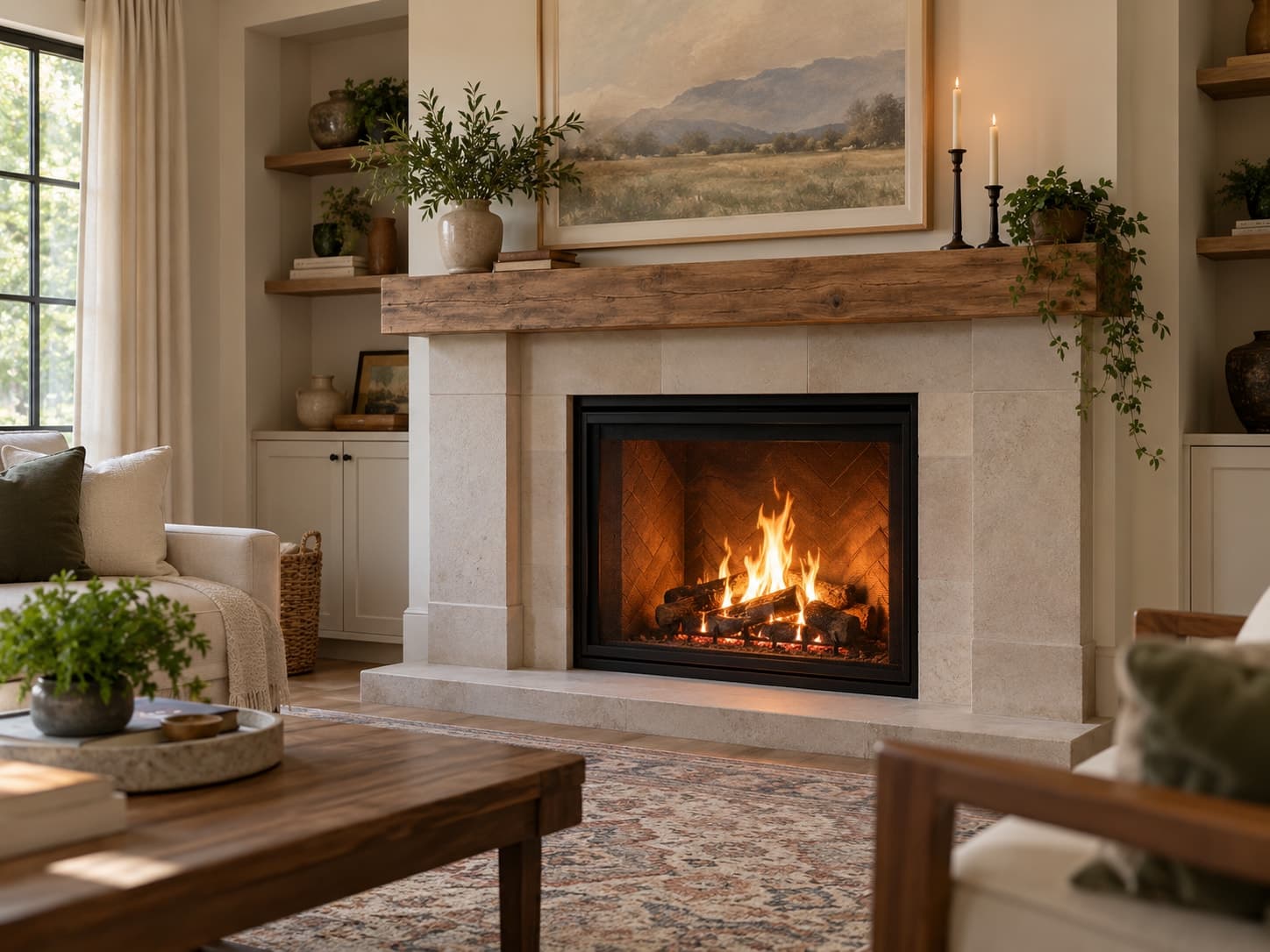
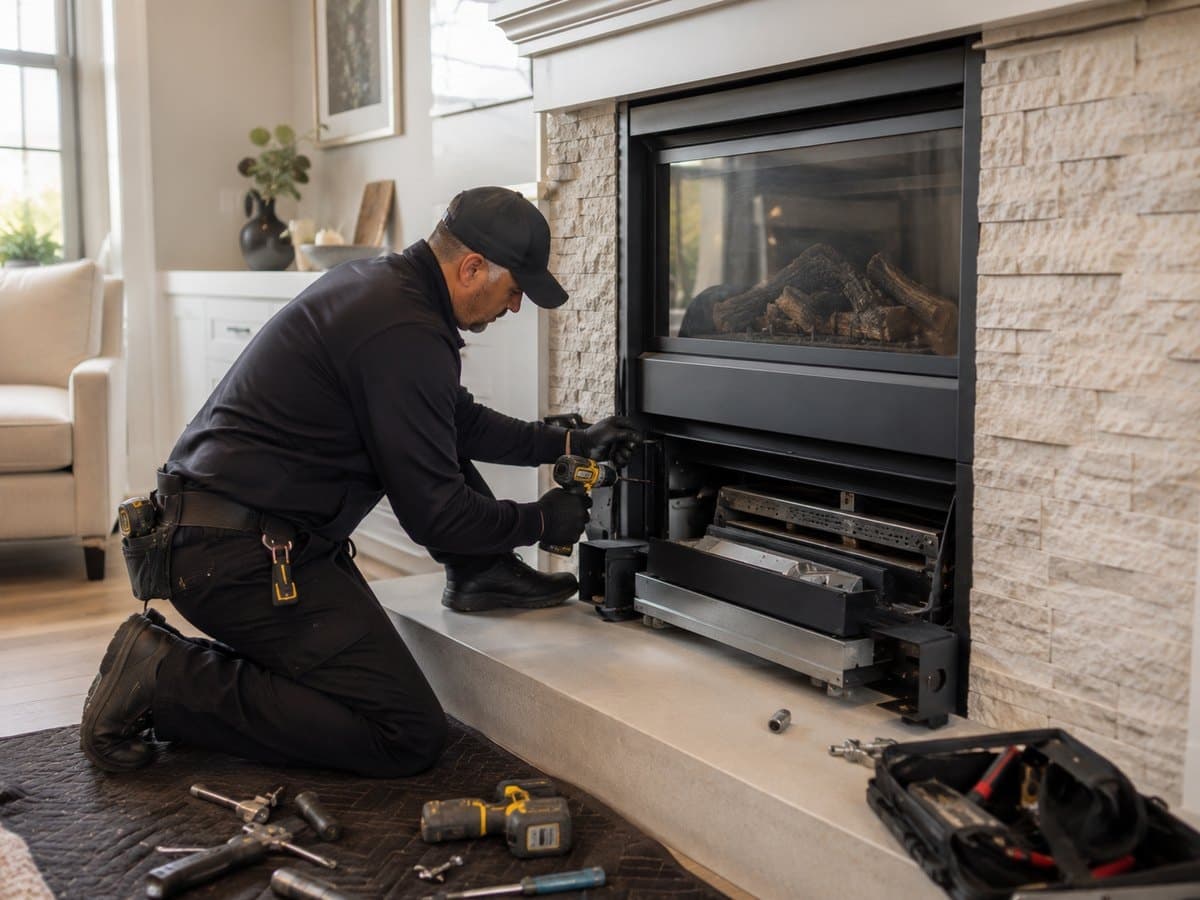
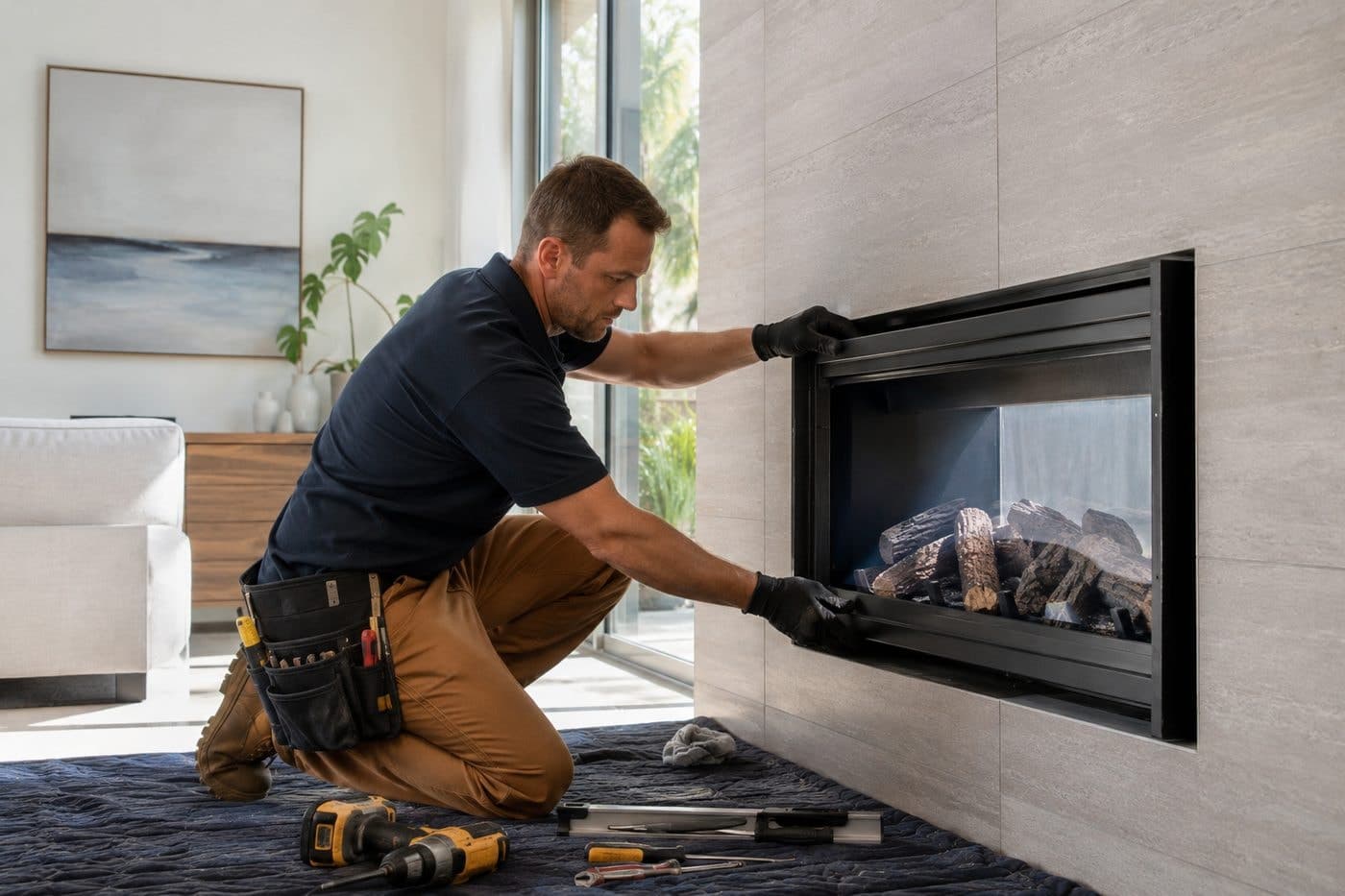
A factory-built fireplace (also called prefab or zero-clearance) is a metal firebox lined with refractory panels, connected to a metal chimney pipe that usually runs up through a framed chase. Factory-built fireplaces and framed chimney chases are common in many newer Orlando-area homes. The whole unit is a tested, listed system, so it can only be repaired with parts the manufacturer approves for that model.
This page explains fireplace repair in depth for all of Greater Orlando. For a repair at a specific address, the local pages cover each city, starting with fireplace repair for City of Orlando homes.
Metal louvers, molded fake-brick panels and a manufacturer’s rating plate point to factory-built; real firebrick in mortar joints and a brick or stucco chimney point to masonry. The full checklist is in how to tell a masonry fireplace from a factory-built one, and the type is confirmed on site before anything is recommended.
The fireplace, part by part
Each part of the firing path fails in its own way and has its own page with the diagnosis, repair options and code requirements. The short version:
| Part | Typical problem | Where to read more |
|---|---|---|
| Masonry firebox | Eroded or open mortar joints, cracked or spalled firebrick, a bulging back wall | Firebrick and mortar repair: firebrick and refractory mortar work to code |
| Factory-built firebox | Cracked, crumbling or missing refractory panels; rusted metal behind them | New refractory panels, matched to the model’s listing |
| Damper | Rusted shut, won’t seal, warped plate, broken handle or chain | Damper repair and top-sealing dampers; stuck right now? try these checks first |
| Smoke chamber | Rough corbeled brick, cracks, missing parging | Smoke chamber parging |
| Glass doors | Cracked glass, bent frames, missing gaskets, unlisted doors on prefab units | Fireplace glass door repair |
| The whole wood-burning system | Smoking, weak fires, draft problems | Wood-burning fireplace repair |
| An old or neglected fireplace | Several worn parts at once, original materials worth keeping | Fireplace restoration |
| Electric fireplace | No flame effect, no heat, dead remote | Electric fireplace repair |
Not sure whether a crack is cosmetic? Is a cracked firebox safe to use? explains which cracks can wait and which mean the fireplace should stay cold until it’s repaired.
The Florida angle: doors, dampers and your AC
Most Orlando fireplaces sit unused for much of the year while the air stays humid. A flue with a leaky damper is an open path for humid outside air, musty fireplace odors and air-conditioned air escaping, which is why a sealing damper and well-fitting doors matter more here than in colder climates.
Hearth and surround
The hearth extension (the non-combustible floor in front of the opening) and the surround (the face around it) protect your floor and wall from sparks and heat. Common problems are cracked hearth tile, loose stone, gaps between the surround and the firebox face, and trim or mantels that are closer to the opening than they should be.
For masonry fireplaces, the Florida residential code sets minimum hearth extension sizes: at least 16 inches in front and 8 inches beyond each side of the opening, or 20 and 12 inches for openings of 6 square feet or more (FBC-R R1001.10). Factory-built fireplaces follow the hearth and clearance requirements in their own installation manual. Cosmetic cracks can be repaired in place; a hearth that is too small or combustible trim that is too close needs to be corrected, not just patched.
Smoky fireplace
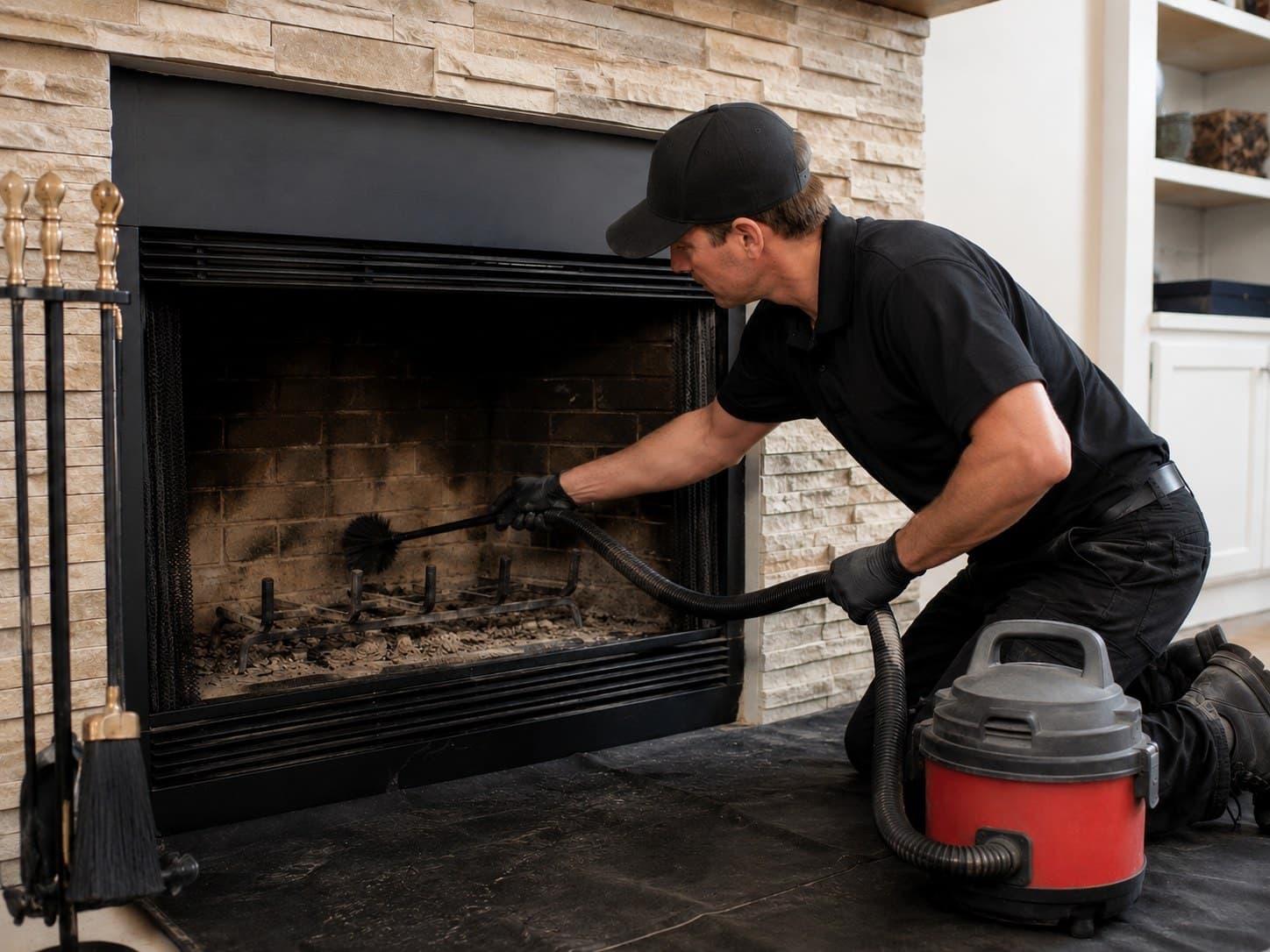
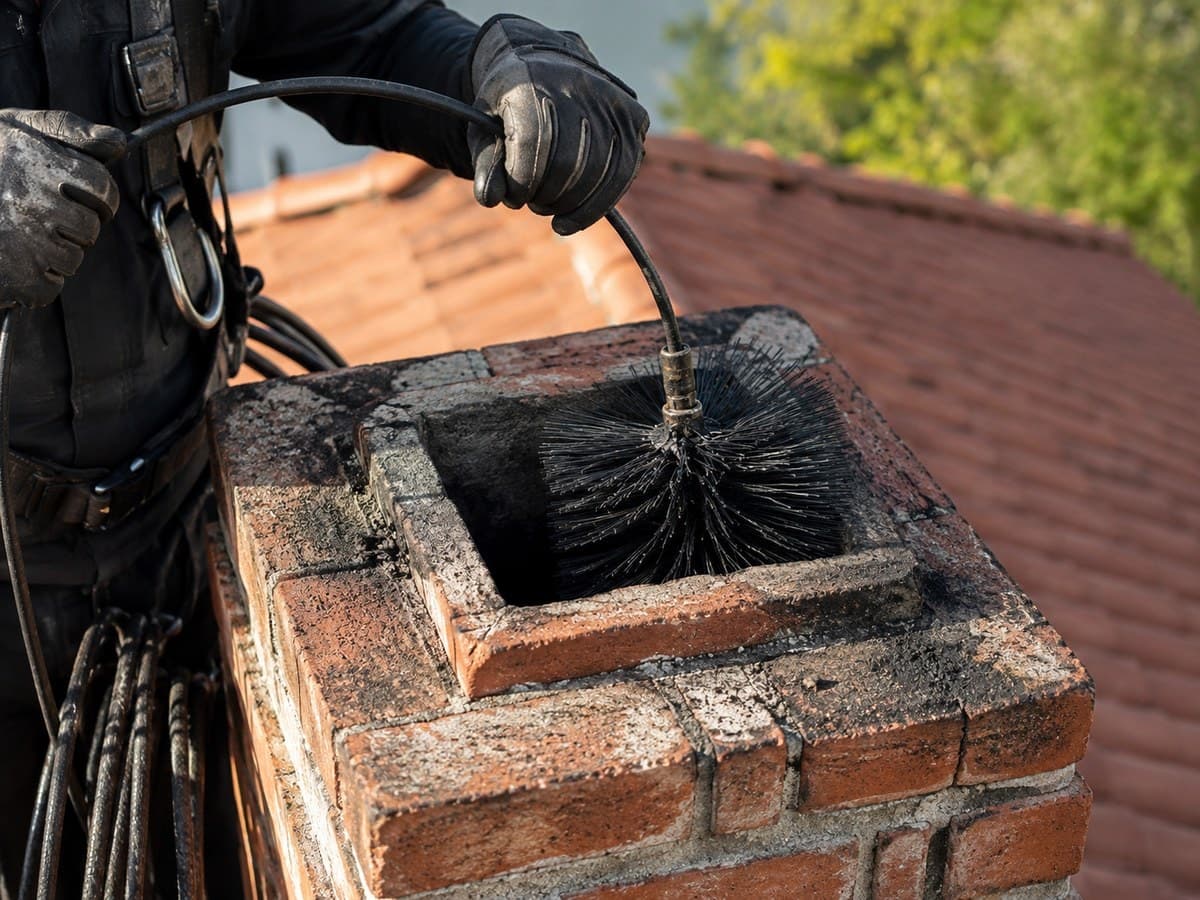
Smoke in the room is a draft problem: a damper that isn’t fully open, a restricted flue or cap, negative house pressure, a cold or wet start, or an opening too large for the flue. Why a fireplace smokes into the room walks through each cause and the safe checks, and a chimney sweep clears the restrictions.
When repair isn’t safe and replacement is the answer
Some fireplaces shouldn’t be repaired, only replaced or taken out of service. For factory-built units, that usually means a metal firebox rusted through, warped firebox or chimney components (a sign the unit was overheated), refractory panels that can no longer be bought, or a missing listing label so the unit can’t be identified and matched to approved parts. In those cases the right path is replacing the prefab fireplace with a new listed system.
For masonry fireplaces, the equivalent warnings are cracks through the firebox walls into the structure behind them, a smoke chamber or flue that can’t be sealed, or damage that needs a chimney liner before the fireplace is safe to use. If you never burn and don’t plan to, having the fireplace taken out of service is also a legitimate choice to discuss with a contractor.
Stop using the fireplace if you see this
Missing pieces of refractory panel, bare metal showing inside the firebox, holes or rust-through in the firebox, gaps between firebrick you can fit a coin into, or smoke stains on the wall or ceiling above the opening. Don’t light it again until it has been checked.
Have a gas fireplace or gas logs?
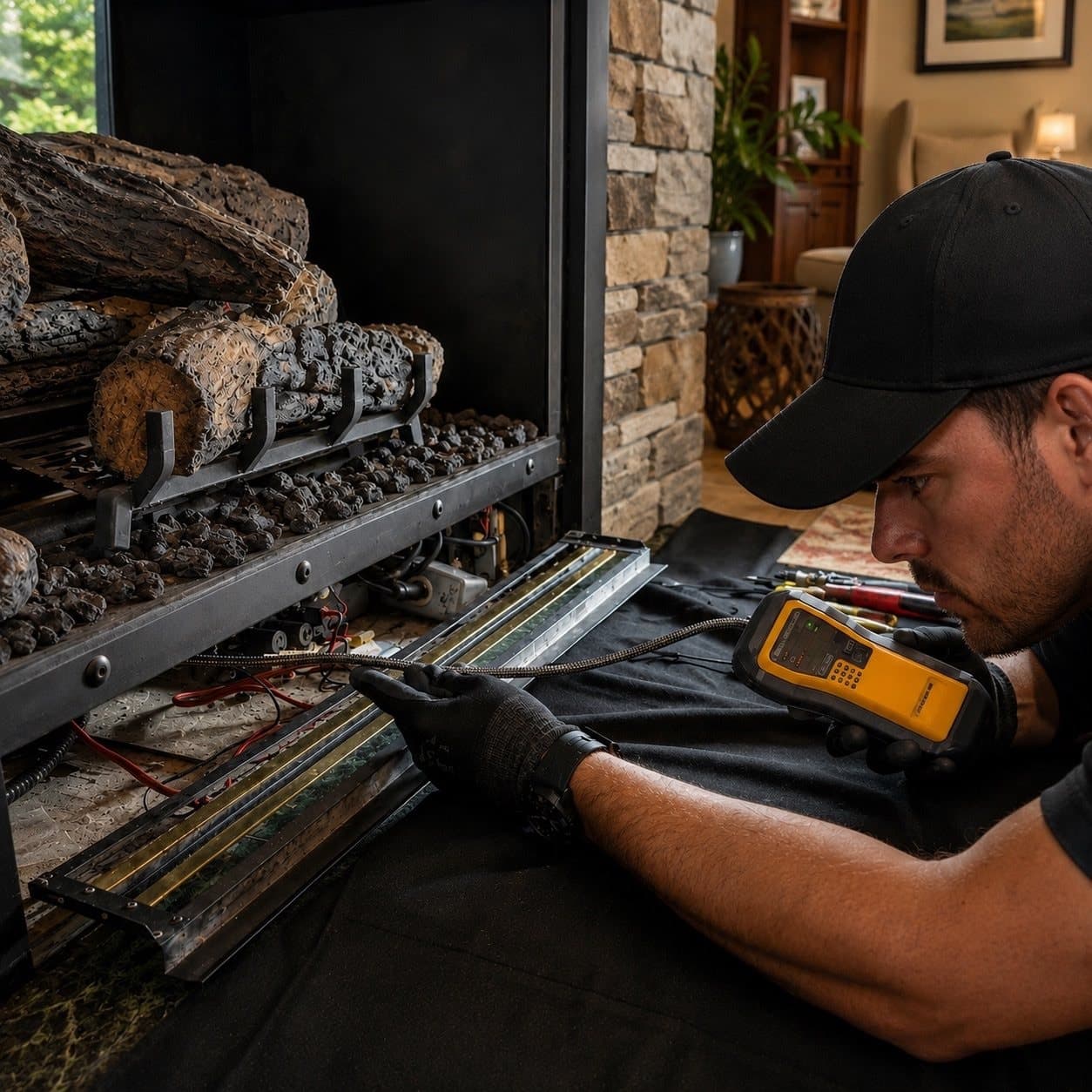
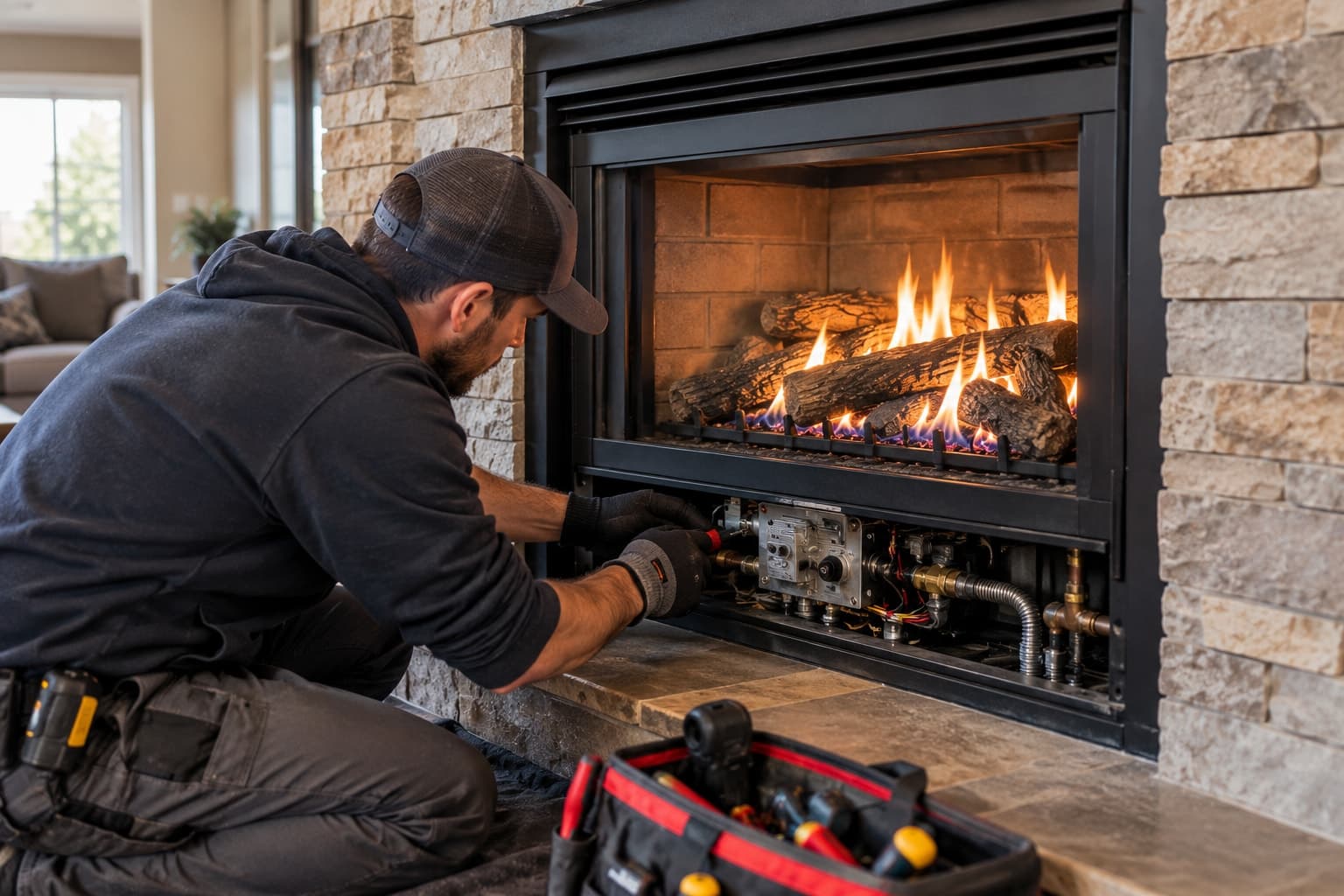
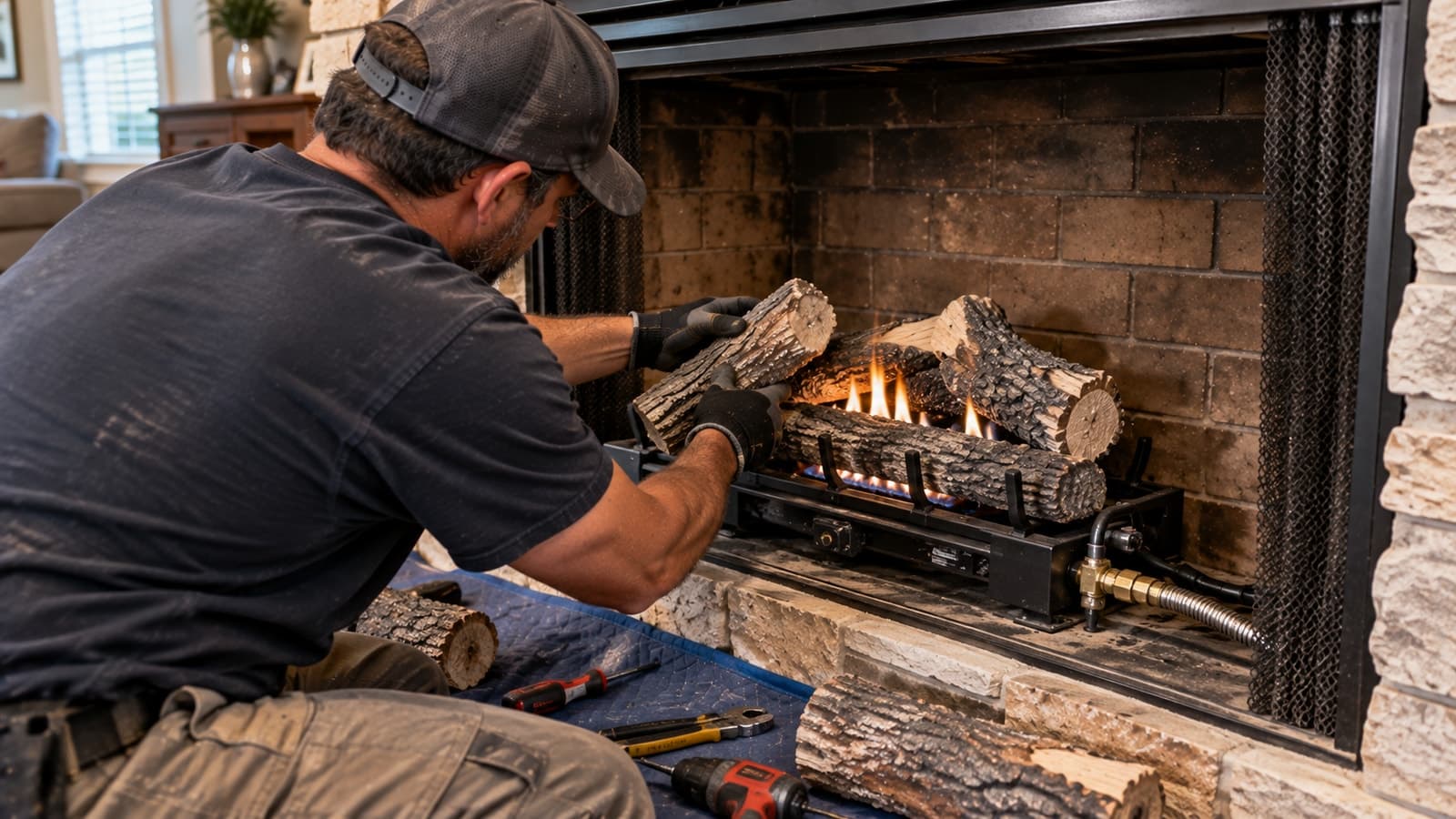
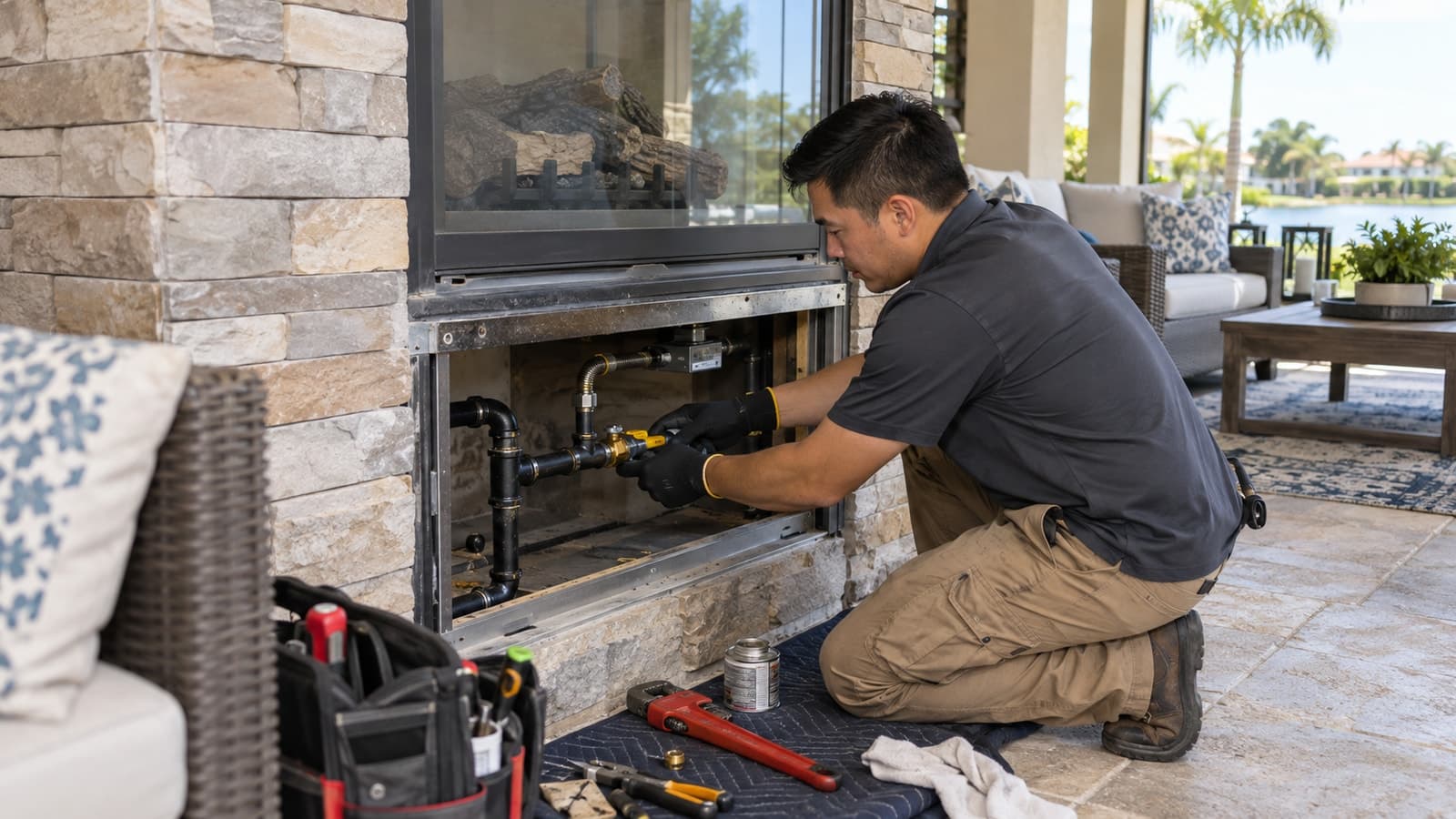
Gas appliances are a separate kind of repair: pilot assemblies, valves, ignition, controls and venting. Start with gas fireplace repair if something isn’t working, or annual gas fireplace service if you want it cleaned and checked. If your unit won’t light, that guide walks through the common causes. Gas-line work is a separate job from appliance service, and we carry that out too.
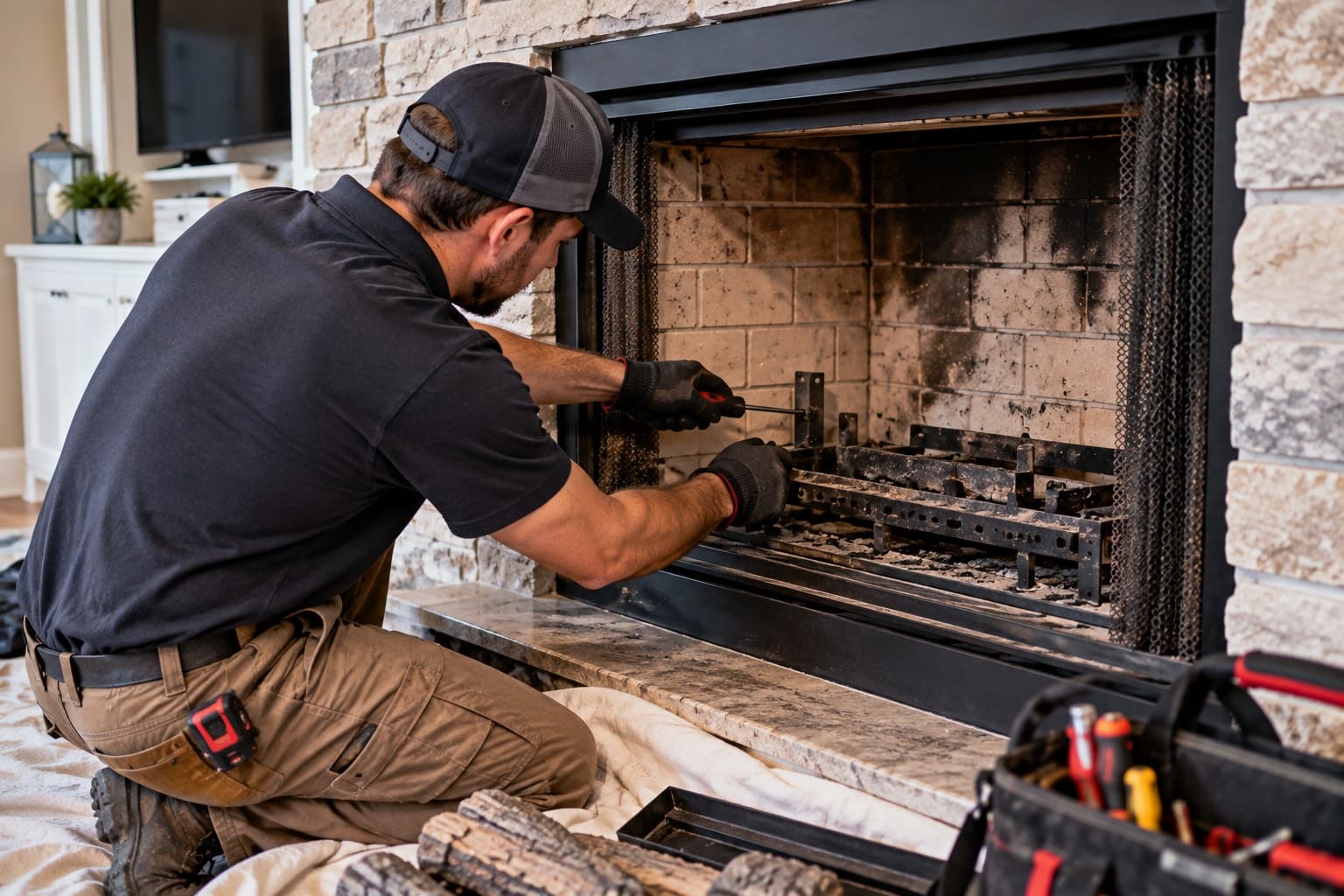
How a fireplace repair visit works
Identify the fireplace
We confirm masonry or factory-built and record the manufacturer and model from the listing label when there is one.
Inspect the whole firing path
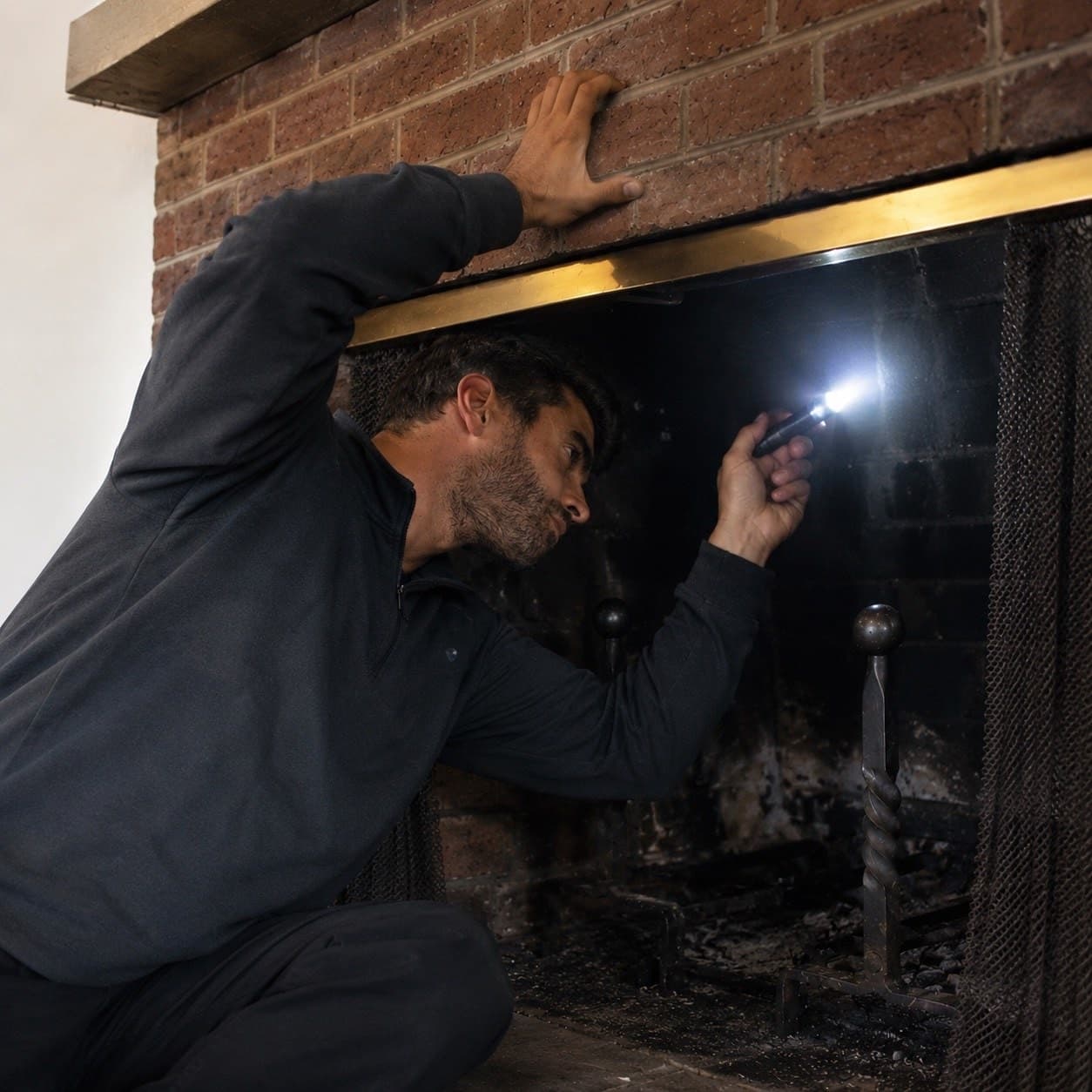
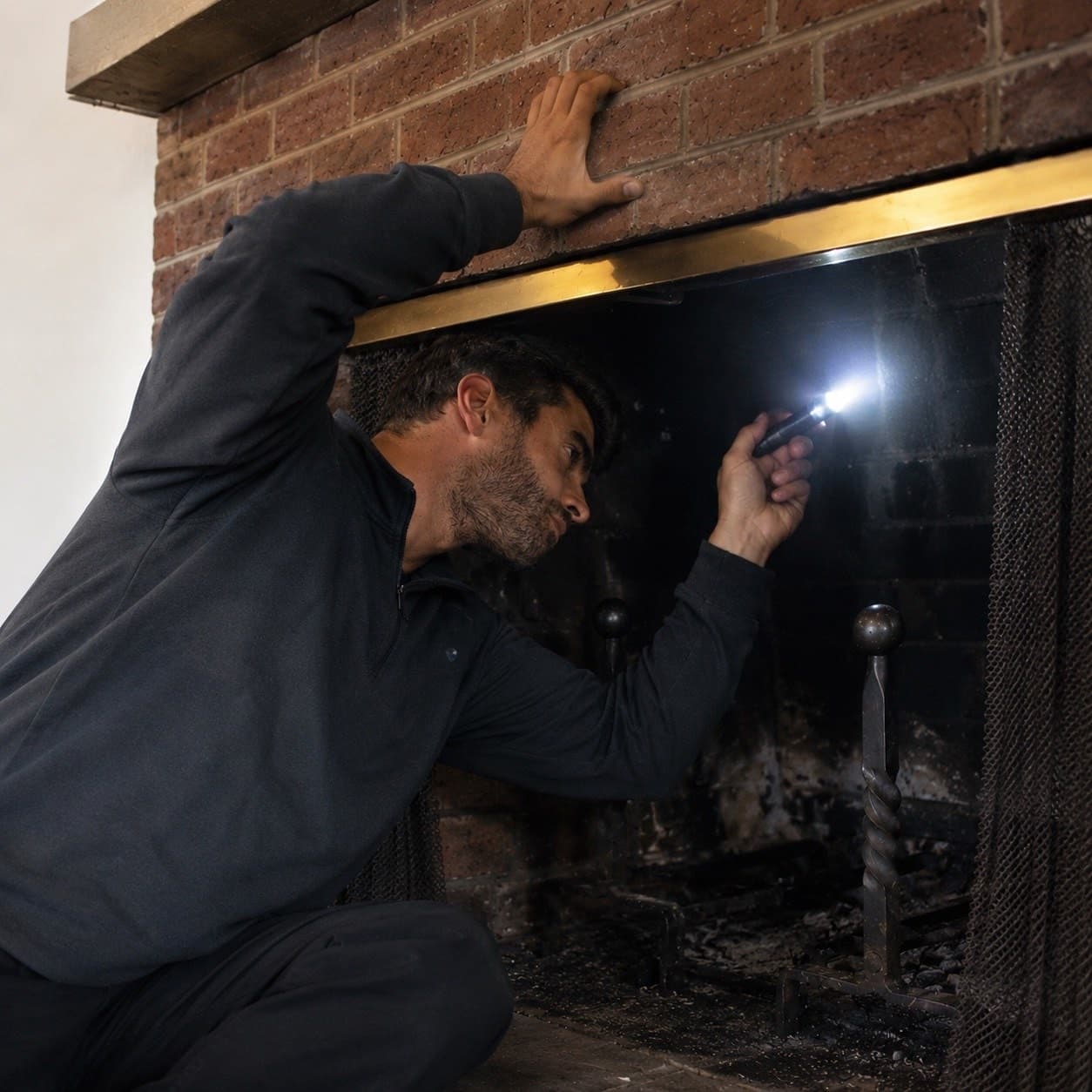
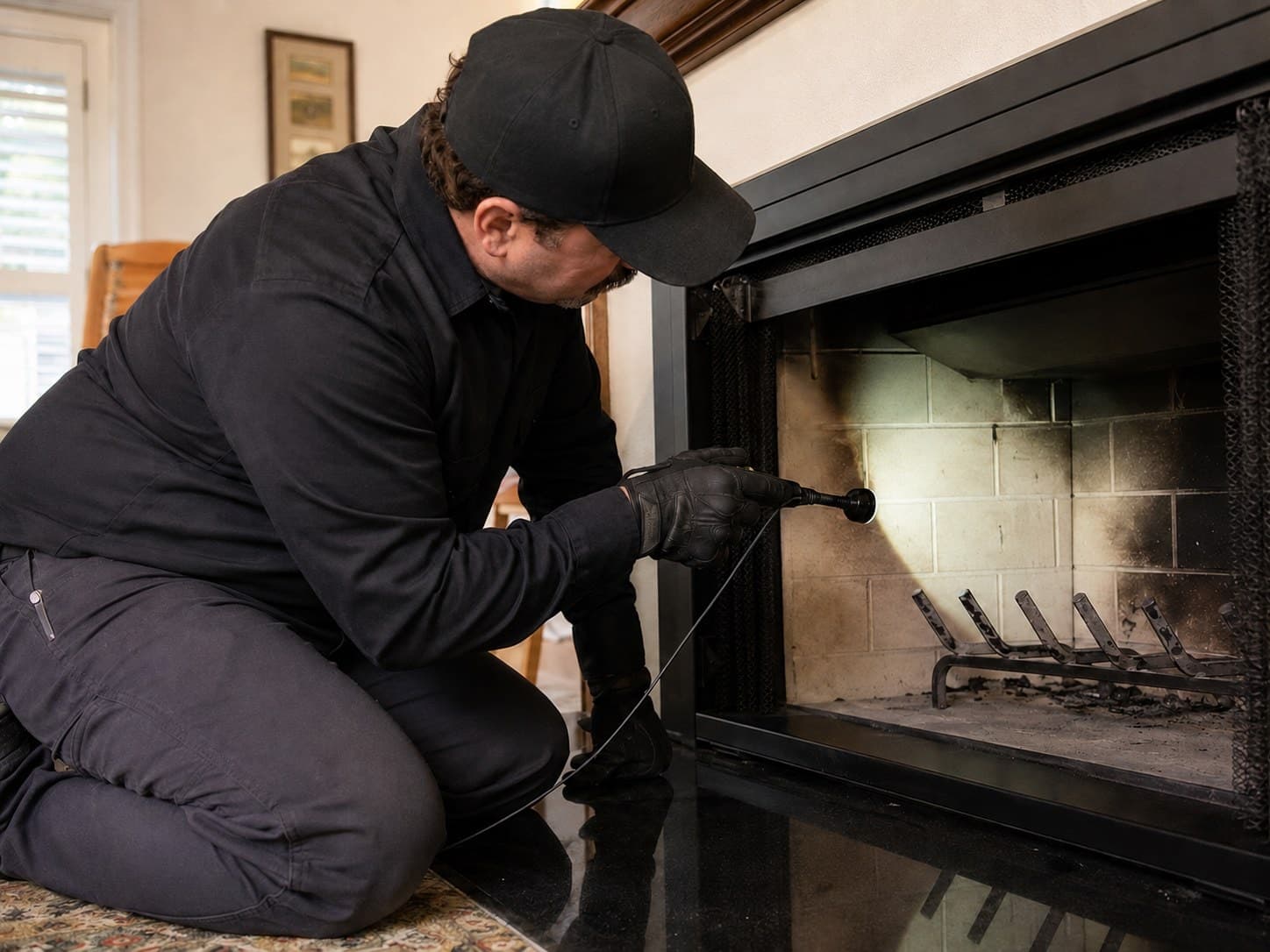
Firebox, damper, smoke chamber, flue and cap are checked with a light, along with the doors, hearth and surround.
Findings before work
The findings and the repair options, with what each one involves, are explained before any repair is scheduled.
Repair with the right materials
Refractory mortar and code-compliant firebrick for masonry; manufacturer-approved parts only for factory-built units.
Check and document
The damper and doors are operated, and you get notes on anything to watch.
What affects the cost of a fireplace repair
- Masonry or factory-built, and for prefab units whether parts are still available for the model.
- How much of the firebox or smoke chamber needs work (a few joints versus a full relining).
- Door size and whether a listed door for your model is still made.
- Hidden damage found once panels or brick are removed, such as rust or water damage from a chimney leak.
Fireplace services
- Prefab Fireplace Replacement When a factory-built unit is past repair and needs a new listed system.
- Gas Fireplace Repair Won’t light, pilot goes out, clicking, shutting off, sooting and remote problems.
- Gas Fireplace Service Annual cleaning and inspection for gas fireplaces and gas logs.
- Chimney Damper Repair Stuck, rusted and leaky dampers, and top-sealing damper options.
Start from the symptom
Fireplace repair covers a wide range of quite different jobs. The fastest route to the right one is usually the symptom rather than the component.
What you have noticed, and where it goes
01Smoke comes into the room
- What you may notice
- Smoke rolls out of the opening instead of going up.
- How it’s confirmed
- A draft problem with about eight possible causes, checked cheapest first.
02Cracks in the firebox
- What you may notice
- Gaps between firebricks, or cracks across a refractory panel.
- How it’s confirmed
- Masonry firebox or factory-built panels — different repairs entirely.
03It will not light or stay lit
- What you may notice
- A gas unit that clicks, lights briefly or does nothing.
- How it’s confirmed
- Pilot, thermopile, valve or ignition module.
04The glass is cracked or clouded
- What you may notice
- A crack from a corner, or a haze that will not clean off.
- How it’s confirmed
- Glass, gasket and clips, using the correct material for the appliance.
05The doors rattle or will not close
- What you may notice
- Loose doors, a broken handle, or a gap you can feel air through.
- How it’s confirmed
- Usually a gasket or a handle rather than the whole set.
06It has not been used in years
- What you may notice
- An unknown fireplace in a house you have just bought.
- How it’s confirmed
- An inspection first, before anything is lit.
07You want it to burn something else
- What you may notice
- Tired of firewood, or there is no gas yet.
- How it’s confirmed
- A conversion rather than a repair.
Repairs are carried out across Orlando, Winter Park, Lake Nona, Kissimmee, Oviedo, Clermont and the rest of the Greater Orlando service area, with free estimates. Where something is actively unsafe, what to do before we arrive covers the first steps.
References (4)
Facts and figures on this page come from these references.
- 1Florida Building Code, Residential 2023, Chapter 10: Chimneys and Fireplaces (UpCodes)
- 2Orlando weather averages, humidity (CurrentResults, NCEI normals)
- 3NFPA 211: Standard for Chimneys, Fireplaces, Vents, and Solid Fuel-Burning Appliances
- 4Florida Statutes § 489.105 (contractor definitions, gas work)