On this page
What a chimney cap does
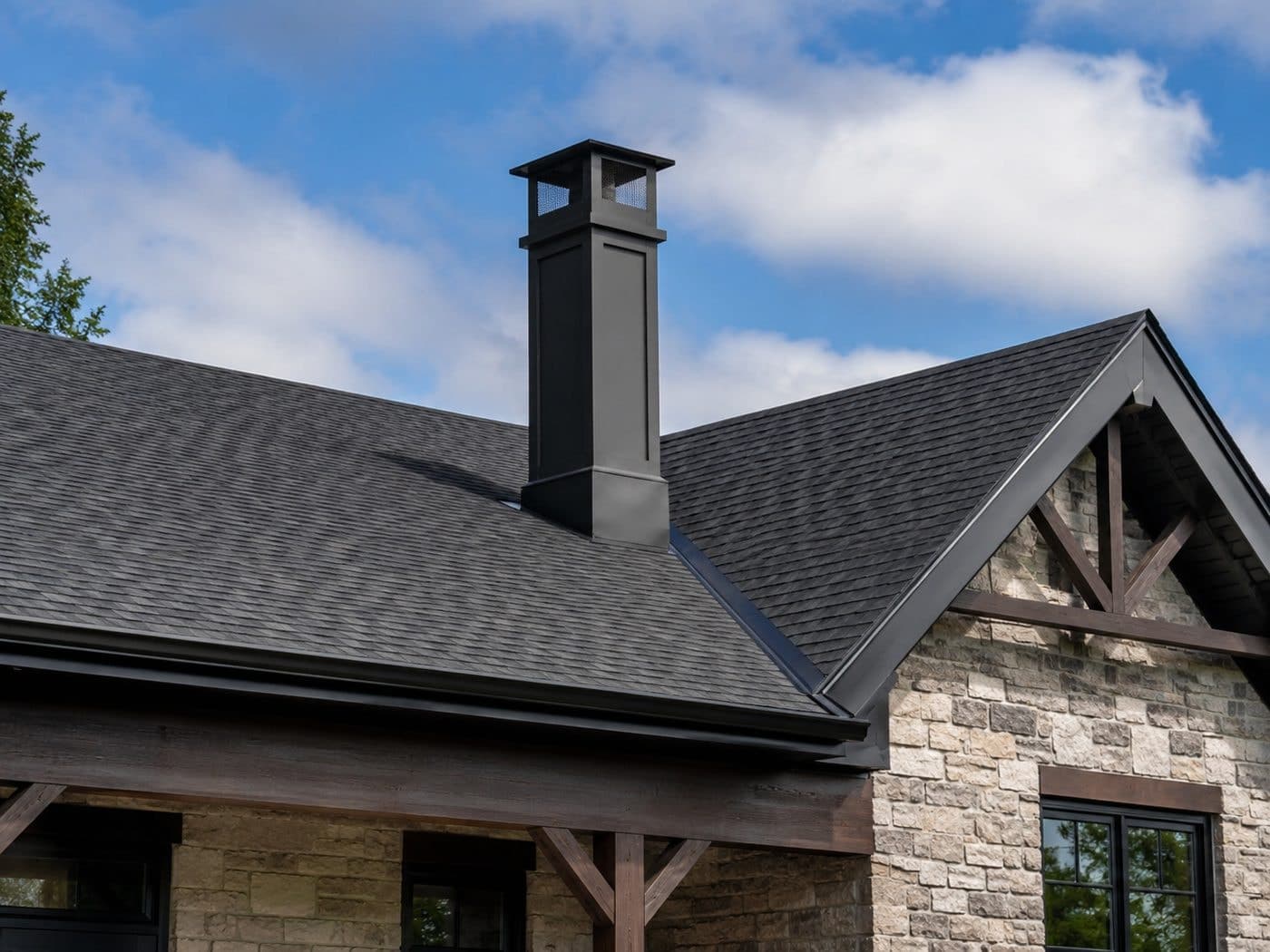
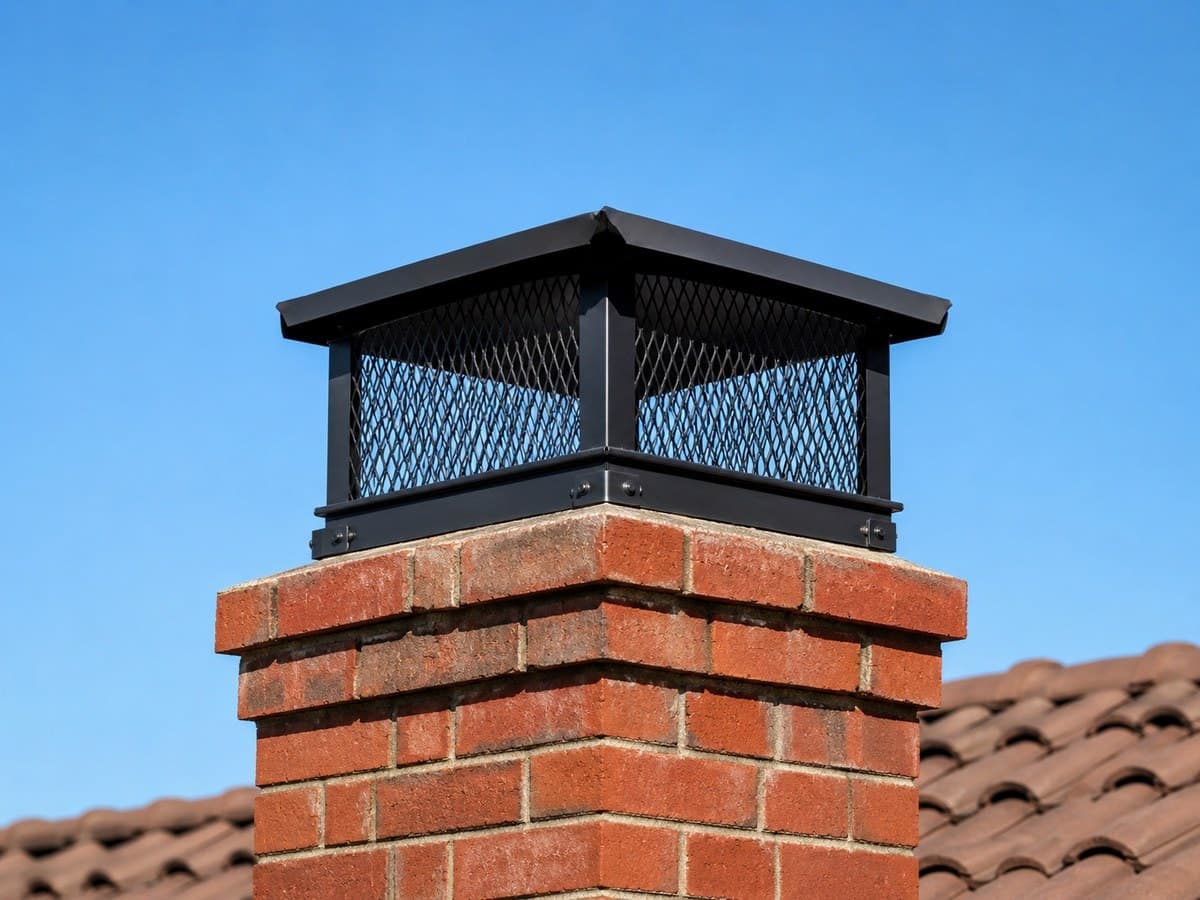
An open flue is a hole in your roof. A cap covers it with a hood that sheds rain and mesh sides that let smoke out while keeping everything else from getting in. It’s one of the cheapest parts of a chimney and one of the most useful.
What a properly fitted cap protects against
- Rain. Water falling straight down the flue rusts dampers and metal fireboxes, soaks smoke chambers and feeds musty odors.
- Animals. Birds, squirrels, raccoons and bats can’t get in through intact mesh.
- Sparks. Spark-arrestor mesh keeps embers from landing on the roof or nearby trees.
- Debris. Leaves and twigs stay out of the flue instead of piling up on the smoke shelf.
- Downdrafts. The hood blunts wind blowing across the top of the flue, which can push smoke back into the room.
Rain is the big one here. Orlando averages about 51.5 inches a year (CurrentResults, NCEI normals), much of it in heavy afternoon storms during the June–September wet season (NWS Melbourne). Water intrusion is one of the most important chimney problems for Central Florida homes, and an uncapped flue lets it in with no resistance at all. If you already see water in the firebox, chimney leak repair starts by tracing where it comes from.
Types of caps and how we choose one
Single-flue caps
These fit over one flue tile and clamp or fasten to it. They’re the usual choice on a masonry chimney with one flue and a crown in good shape.
Multi-flue caps
Many older masonry chimneys carry more than one flue, for a second fireplace or an old furnace or water heater. A multi-flue cap covers the whole top of the chimney with one hood and is fastened to the crown or the chimney’s outer walls. It also shields the crown from direct rain, which helps on older chimneys where the crown has started to crack. Flues serving gas appliances need to be checked before they go under a shared cap, so we confirm what each flue serves first.
Top-sealing damper caps
Some caps include a damper that seals the top of the flue, operated by a cable from the firebox. Closing the flue at the top keeps humid outside air out of the chimney. They’re covered with chimney damper repair.
Sizing
A cap has to fit the flue it covers. We measure the outside dimensions of the flue tile and how far it sticks up above the crown, and check the hood height so the cap doesn’t restrict the flue’s opening. Mesh matters too: it needs to be tight enough to stop sparks and animals, but not so fine that soot clogs it and chokes the draft. A cap bought off the shelf by guesswork is often the wrong size, and a loose cap is the first thing to go in a storm.
Stainless vs galvanized
| Feature | Galvanized steel | Stainless steel |
|---|---|---|
| Corrosion protection | A zinc coating. Once it wears through, the steel underneath rusts | The alloy itself resists corrosion; no coating to wear off |
| In Florida’s humidity | Rust tends to show sooner and can stain the crown or siding | Holds up to year-round moisture much better |
| Upfront cost | Lower | Higher |
| Replacement | Expect to replace it sooner | Longer service life, fewer replacements |
| Best fit | Short-term fix or a chimney that’s being removed soon | Most chimneys you plan to keep |
Corrosion protection
- Galvanized steel
- A zinc coating. Once it wears through, the steel underneath rusts
- Stainless steel
- The alloy itself resists corrosion; no coating to wear off
In Florida’s humidity
- Galvanized steel
- Rust tends to show sooner and can stain the crown or siding
- Stainless steel
- Holds up to year-round moisture much better
Upfront cost
- Galvanized steel
- Lower
- Stainless steel
- Higher
Replacement
- Galvanized steel
- Expect to replace it sooner
- Stainless steel
- Longer service life, fewer replacements
Best fit
- Galvanized steel
- Short-term fix or a chimney that’s being removed soon
- Stainless steel
- Most chimneys you plan to keep
Because of the humidity and rain here, we usually recommend stainless. Copper caps are also available for masonry chimneys where appearance matters.
Caps on factory-built chimneys
Factory-built fireplaces and framed chimney chases are common in many newer Orlando-area homes. On these systems the cap on top of the metal flue, often called the termination cap, is usually a listed component: it was tested as part of that manufacturer’s chimney system, and the listing covers the specific parts.
That means replacement has to match the system. A generic cap can change the draft, the clearances and how the flue handles heat, and it may not be compatible with the chimney’s listing. Before ordering, we identify the manufacturer and model from the fireplace’s rating label (often inside the firebox opening or behind the lower grille) and source the cap specified for it, or a replacement listed for that system. If the label is missing or unreadable, we’ll tell you what that means for the options. Broader problems with the metal flue or chase are handled through prefab chimney and chase repair.
Chimney cap vs chase cover
People often mix these up. On a framed chase, the chase cover is the sheet-metal pan across the entire top of the chase box. The cap sits on top of the flue pipe, which comes up through a hole in that pan. They do different jobs, and each can fail on its own.
Rust streaks running down the chase siding, or a cover that sags and holds water, point to the chase cover rather than the cap. That’s a separate job: chase cover replacement. The differences are explained in chimney cap vs chase cover.
Swift and bat timing
A cap should never trap an animal inside, so the flue is checked for nests and signs of animals first. Chimney swifts are federally protected and an active nest means the cap waits until they’ve left (USFWS); FWC sets bat maternity season at April 16 to August 14 (FWC). For many homes the easiest window is after the swifts leave in fall and before they return in spring. Birds in the chimney and animals in the chimney cover what to do if something is up there now.
A note on swift conservation
USFWS encourages leaving some masonry chimneys uncapped for declining chimney swifts, and it recommends capping metal-lined chimneys so birds don’t get trapped in them. Once no active nest is present, capping is legal and the owner’s choice; a cap is the reliable way to keep birds, animals and rain out of a flue you use.
Fastened to stay on in a storm
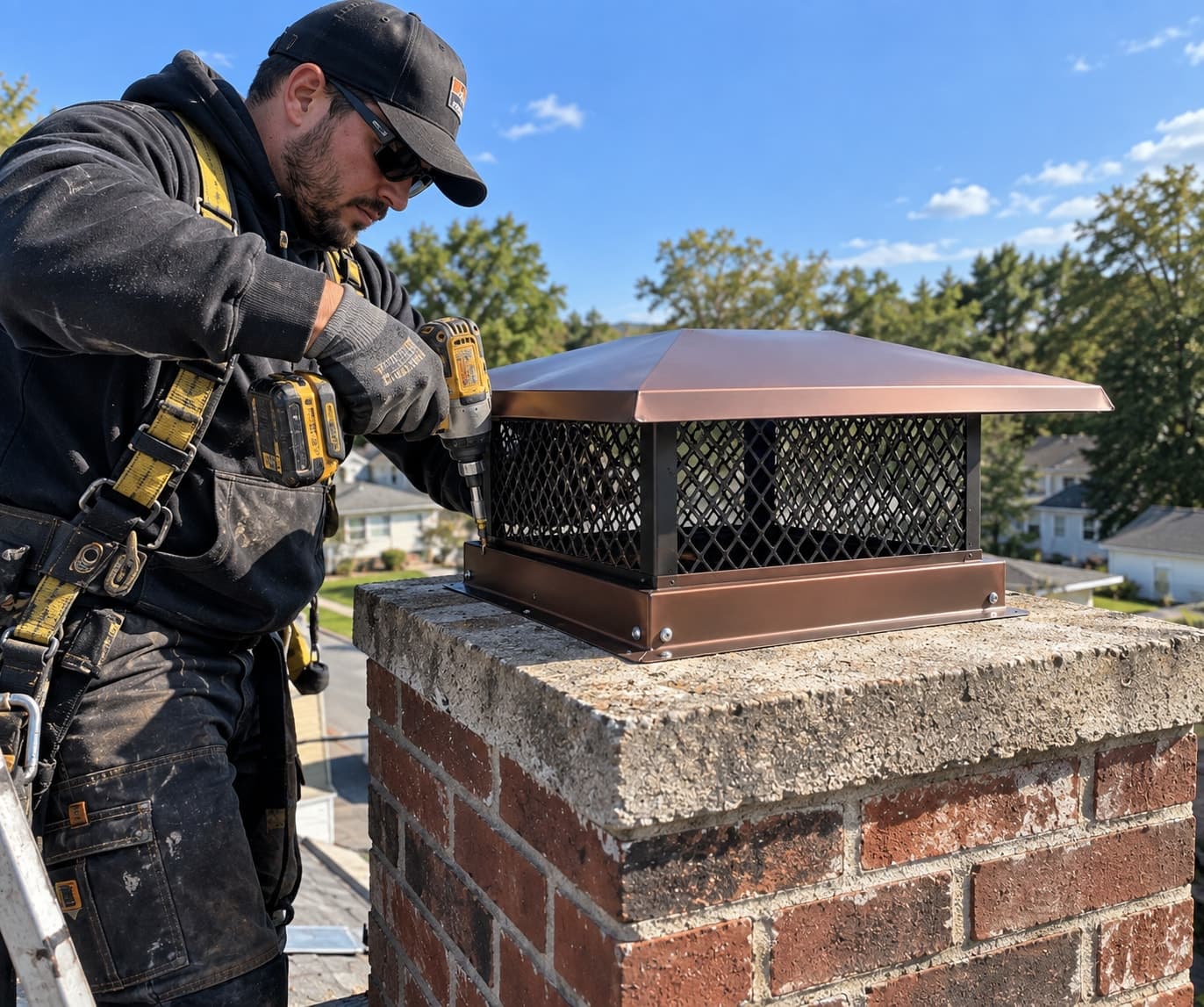
Caps that are undersized, loosely clamped or held by friction alone are the ones that come off in high wind. A new cap is fastened the way its design calls for, which on many models means screws into the flue tile or the crown rather than a clamp. If a cap is already bent, rusted or missing, that job is replacing the damaged cap, which starts with checking what got into the open flue.
How an installation goes
Check the top of the chimney
We look at the flue tile, crown or chase cover and the flue opening, and check for nests or animals before anything is covered.
Identify and measure
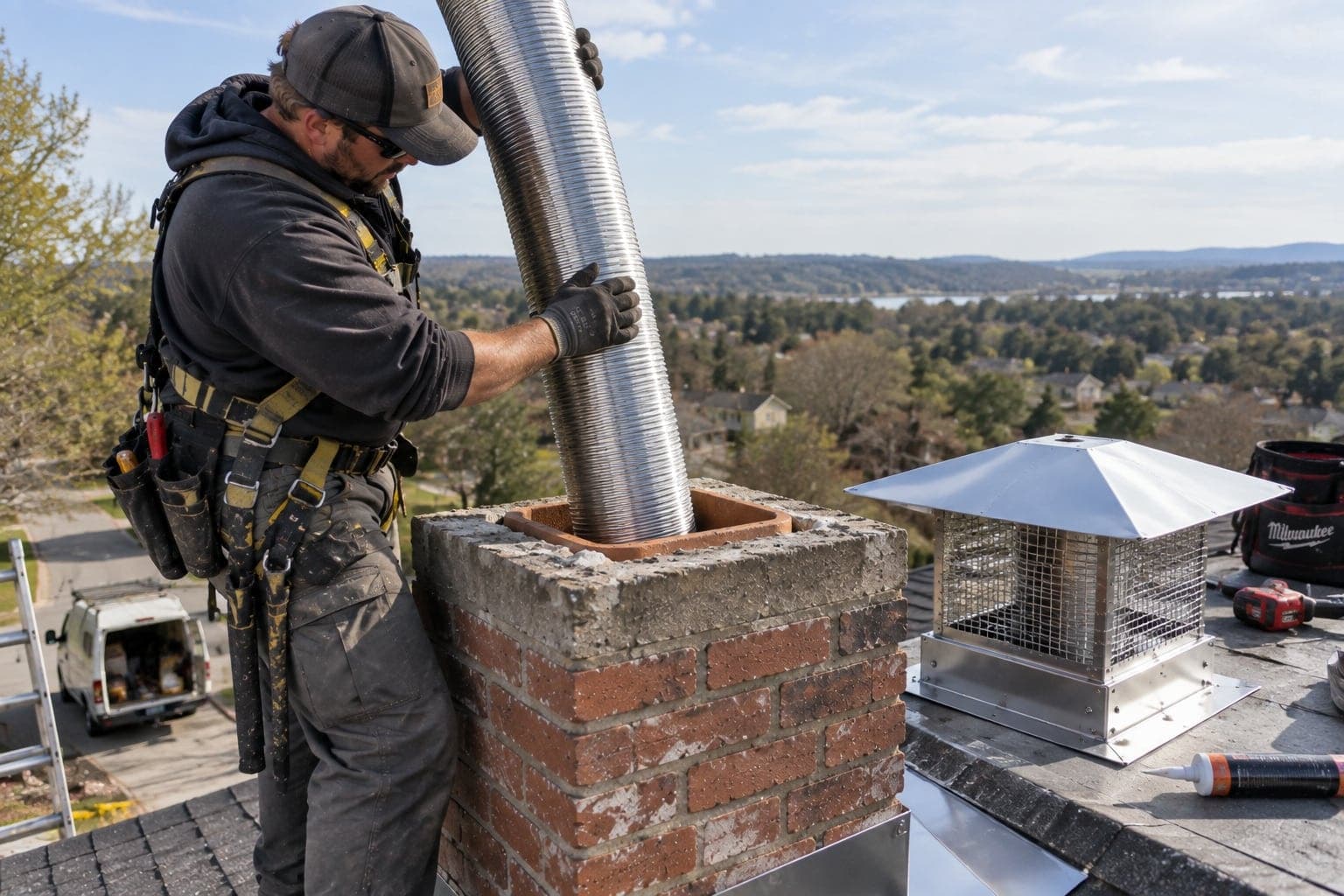
On a masonry chimney we measure each flue. On a factory-built chimney we identify the system from its label so the replacement cap matches.
Install and fasten
The cap is set square over the flue and secured with the fastening method it’s designed for.
What else was noticed
Anything else worth knowing about up top, such as crown cracks or chase cover rust, is pointed out so you can plan for it.
What affects the cost
- Number and size of flues, and whether a multi-flue cap is needed
- Material: galvanized, stainless or copper
- Custom fabrication for an unusual crown or flue layout
- A system-specific cap for a factory-built chimney
- Roof pitch, height and roofing type. Tile roofs take more care to walk.
- Crown or flue-tile repairs needed before a cap can be fastened securely
Cap work is part of our chimney repair services. If the crown, flashing or chase needs attention too, it’s usually most efficient to plan it all for the same roof visit.
One cap, three jobs
People shop for a rain cap, an animal screen and a spark arrestor as though they were three purchases. On most chimneys a single stainless cap with mesh sides does all three, and buying it that way is cheaper than buying the functions separately.
- Rain out. The lid keeps water out of the flue, which is the single biggest cause of interior chimney deterioration here.
- Animals out. The mesh sides exclude birds, bats and squirrels, provided the gauge is right — see animal screens and proofing.
- Embers in. The same mesh works as a spark arrestor on a wood-burning flue, covered on spark arrestor installation.
- Downdraft. Some cap designs also help with wind-driven downdraft, which is worth specifying if the fireplace smokes on windy days.
If you are replacing a cap that failed rather than fitting a first one, chimney cap replacement covers storm loss, insurance and choosing a material that lasts in this climate.
Caps are fitted across Orlando, Winter Park, Apopka, Oviedo, Clermont and the rest of the areas we serve, with free estimates. Because it is work at the top of the chimney, the crown and flashing are assessed on the same trip.
References (6)
Facts and figures on this page come from these references.