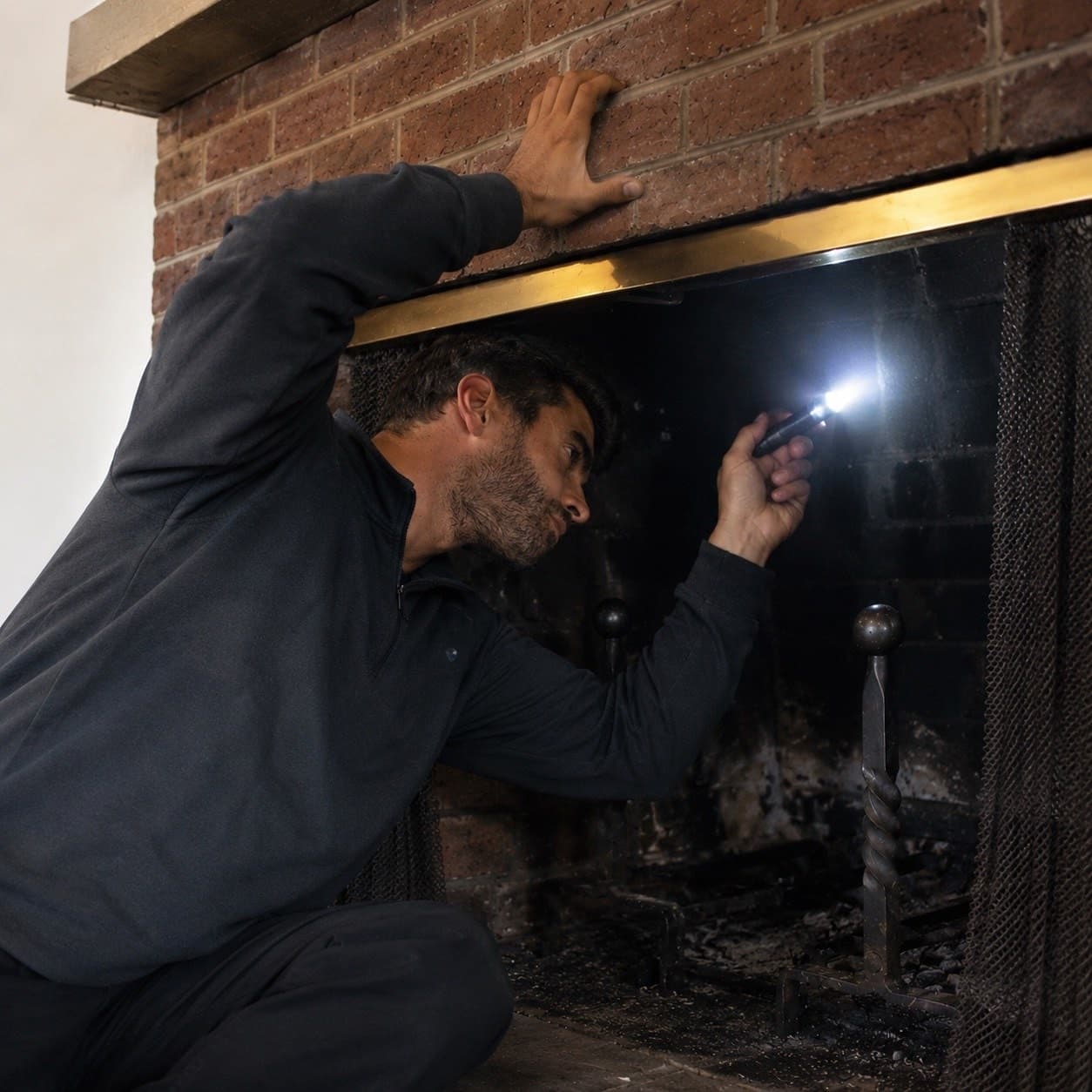
First, which situation is it?
| Feature | Nesting chimney swifts | One trapped bird |
|---|---|---|
| What you hear | Bursts of loud chirping from high in the flue, several times an hour in daylight | Fluttering, scrabbling or a single bird calling, low near the damper |
| When | Spring through late summer | Any time of year |
| Can you intervene? | No. The nest, eggs and birds are protected until they leave | Yes. Help it out safely |
| What happens next | Wait, then clean and decide on a cap | Find out how it got in and close the gap |
What you hear
- Nesting chimney swifts
- Bursts of loud chirping from high in the flue, several times an hour in daylight
- One trapped bird
- Fluttering, scrabbling or a single bird calling, low near the damper
When
- Nesting chimney swifts
- Spring through late summer
- One trapped bird
- Any time of year
Can you intervene?
- Nesting chimney swifts
- No. The nest, eggs and birds are protected until they leave
- One trapped bird
- Yes. Help it out safely
What happens next
- Nesting chimney swifts
- Wait, then clean and decide on a cap
- One trapped bird
- Find out how it got in and close the gap
Chimney swifts: protected, seasonal and temporary
Chimney swifts are small, dark, cigar-shaped birds that can’t perch like other birds. They cling to vertical surfaces, and with few hollow trees left they rely heavily on chimneys. A pair glues a small half-saucer nest of twigs and saliva to the inside wall of the flue. Under the Migratory Bird Treaty Act, harassing, injuring or killing swifts, their eggs or their nests is illegal (USFWS).
| Period | What’s happening | What you can do |
|---|---|---|
| March to April | Swifts arrive from South America | If you plan to keep them out, a cap has to be on before they return |
| About April to July | Breeding window per UF/IFAS; eggs and nestlings in the flue | Leave it alone; keep the damper closed |
| A few weeks in spring or summer | Loud begging from nestlings being fed | Expect noise; it ends when the young fledge |
| August to September | Young fly; swifts leave for the winter | Confirm they’re gone before any work |
| Fall to early spring | Chimney empty of swifts | Clean out the nest and debris; install a cap if you choose to |
Arrival and departure months come from USFWS; the breeding window and a presence of roughly March to October in north and central Florida come from a UF/IFAS quick reference. The FWC species profile puts the whole nesting effort at 30 to 40 days and advises scheduling a cleaning after the nesting season before using the fireplace.
No fires, no smoke, no poking
Lighting a fire or burning paper to drive swifts out is illegal and dangerous: nest material is dry twigs, and the smoke can come back into the room. Pushing a brush or pole up the flue can knock the nest down. Keep the damper shut so a fledgling doesn’t fall into the firebox.
If a young swift does land in the fireplace, don’t try to raise it. USFWS advises contacting a licensed wildlife rehabilitator, and FWC keeps a county-by-county list on its injured and orphaned wildlife page.
A single bird trapped in the fireplace
Other birds sometimes drop into an uncapped flue and can’t climb back up the smooth walls. If you hear one fluttering behind the damper or glass doors, it needs an exit that leads outside rather than into your living room.
Helping a trapped bird out
Close off the room
Shut interior doors, move pets and children out, and turn off ceiling fans.
Give it one bright exit
Open the window or exterior door closest to the fireplace, remove the screen if you can, and dim the lights and close blinds elsewhere so the open door is the brightest thing in the room.
Open the fireplace gently
Open the glass doors or screen, then the damper if the bird is above it, and step out of the room. Most birds fly toward the light within minutes.
If it won’t leave
Drop a light towel over it, carry it outside and release it. Wear gloves, and wash your hands afterward. An injured bird goes to a wildlife rehabilitator.
If the bird is lodged in a factory-built chimney’s metal flue or inside a chase, leave it to someone with access from the top rather than taking apart the fireplace. The metal flues in those systems are one reason USFWS itself recommends capping: birds can’t grip the smooth metal and get trapped.
Other birds and nests
Swifts aren’t the only birds that use chimneys and chase tops, and the Migratory Bird Treaty Act covers far more than swifts. FWC notes that federally protected migratory birds can’t be removed as nuisance wildlife without a permit (FWC). Unless you know for certain a nest is empty or the species isn’t protected, treat an active nest as off limits and check with FWC or USFWS first. Empty, abandoned nests after the season are a different matter and can be cleaned out.
Why the old nest has to come out
Once the birds are gone, what they leave behind is a real problem in a flue:
- Fire risk: twigs and dry nest material sit right in the path of hot gases and sparks.
- Draft and smoke: a nest or a layer of debris on the smoke shelf narrows the flue, so smoke can roll into the room instead of going up. See why a fireplace smokes into the room.
- Odor and moisture: droppings and nest material hold moisture and smell, especially on humid days.
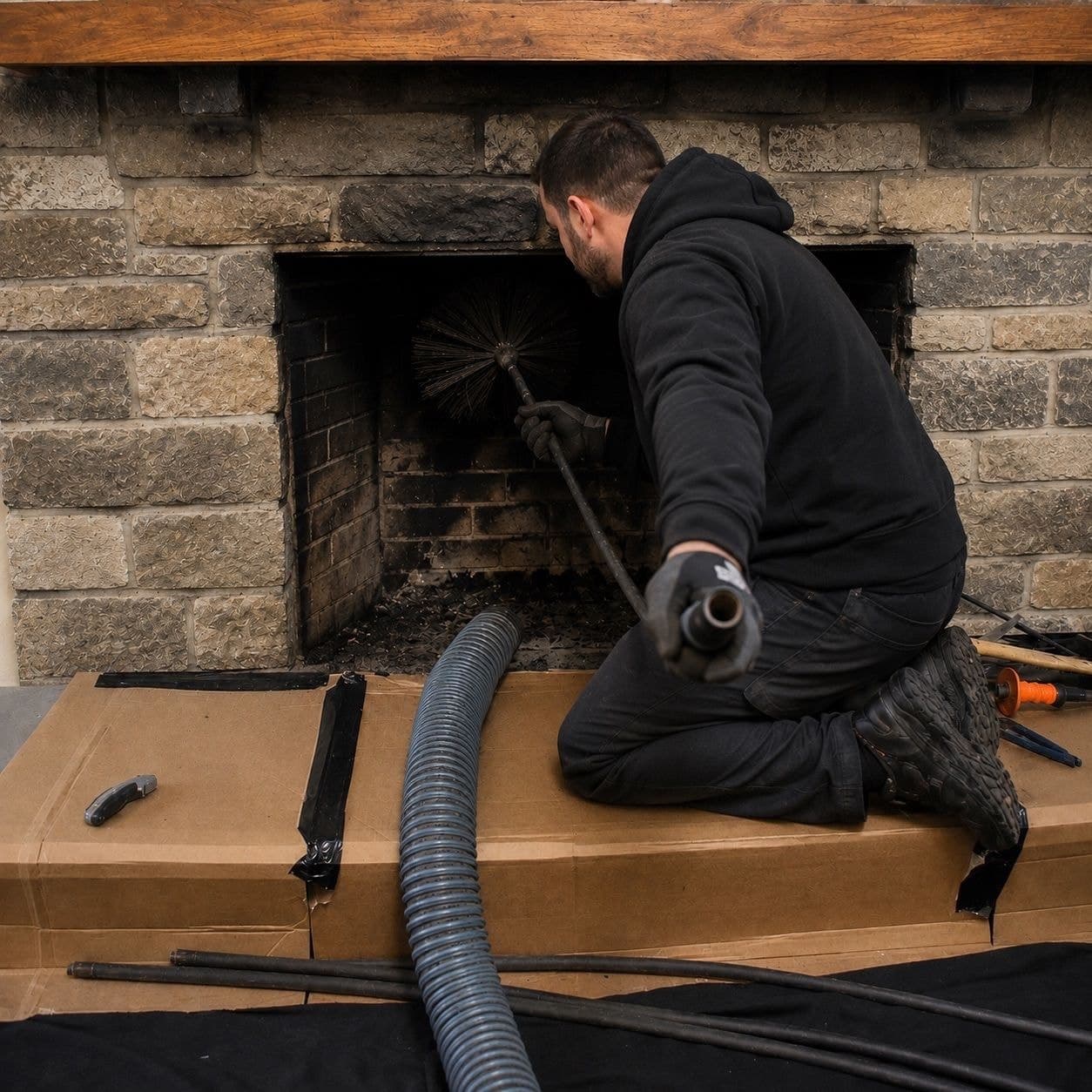
Removal happens from the top or bottom depending on access, and the flue is then brushed. Our chimney blockage removal service covers nests and debris, and a full sweep and cleaning makes sense if the fireplace is also used for fires.
Keeping birds out next year
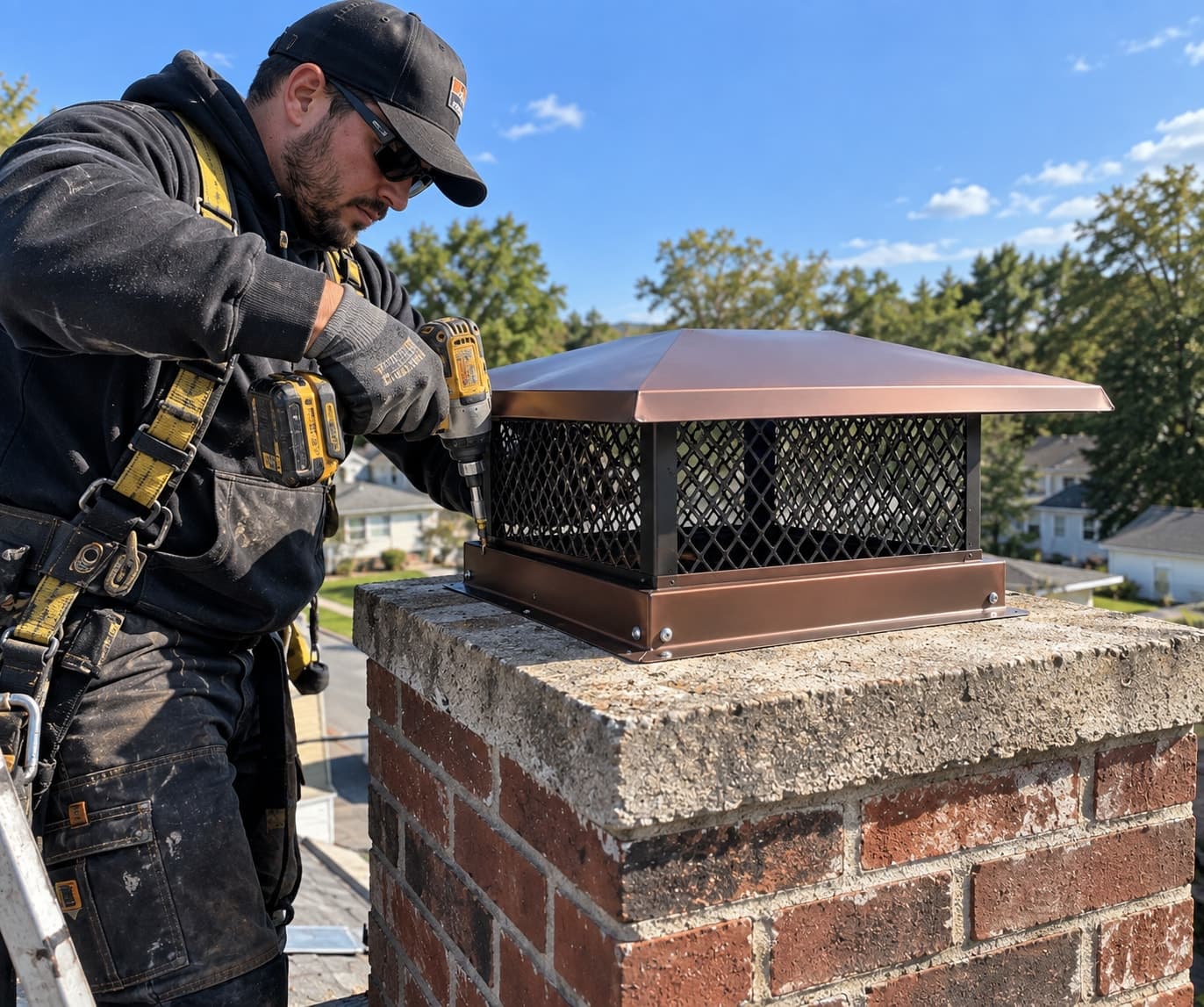
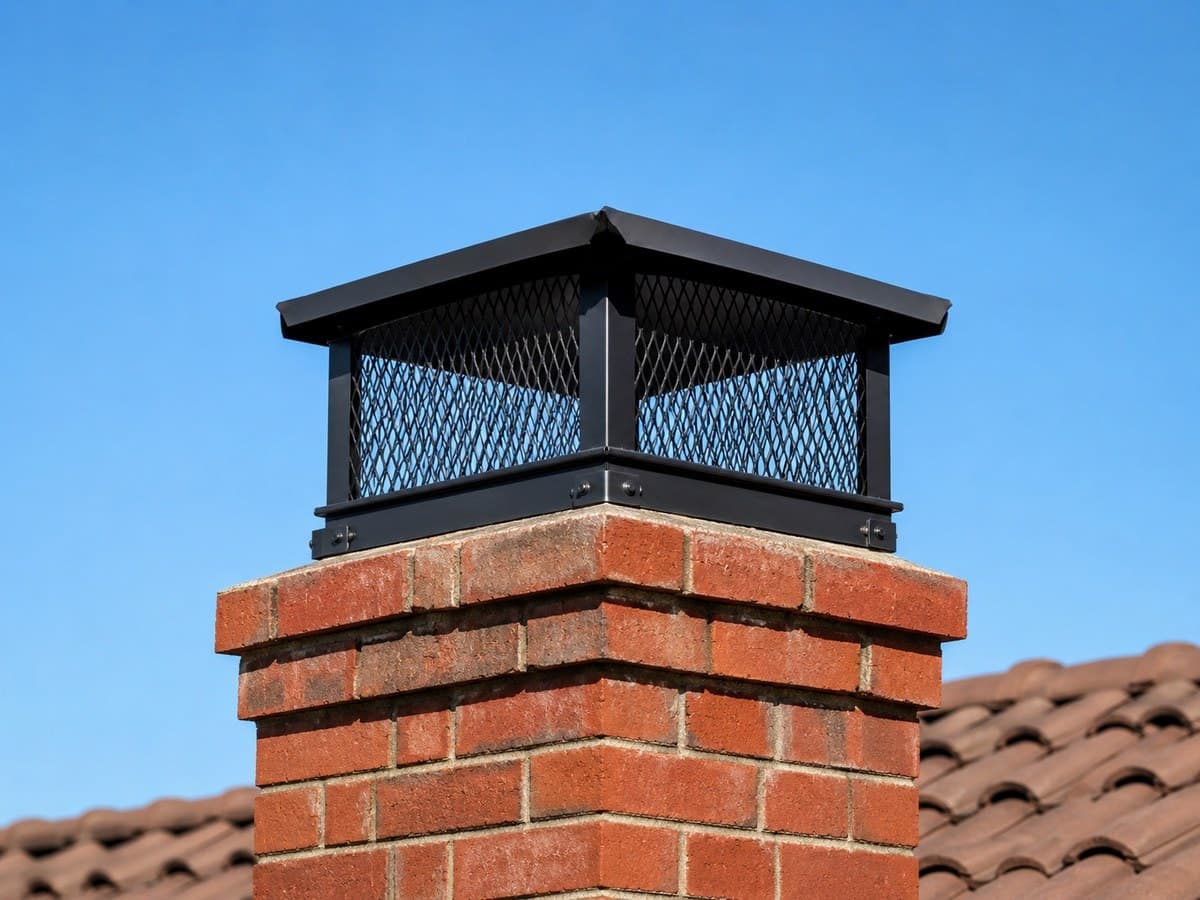
A properly sized cap with mesh keeps birds, animals, leaves and straight-down rain out of the flue. It has to go on when no swifts are in residence, which in practice means fall through early spring. On a framed chimney, the cap on the metal flue and the chase cover both need to be sound: a rusted or loose chase cover can leave gaps birds use to get into the chase itself.
Capping and swift conservation
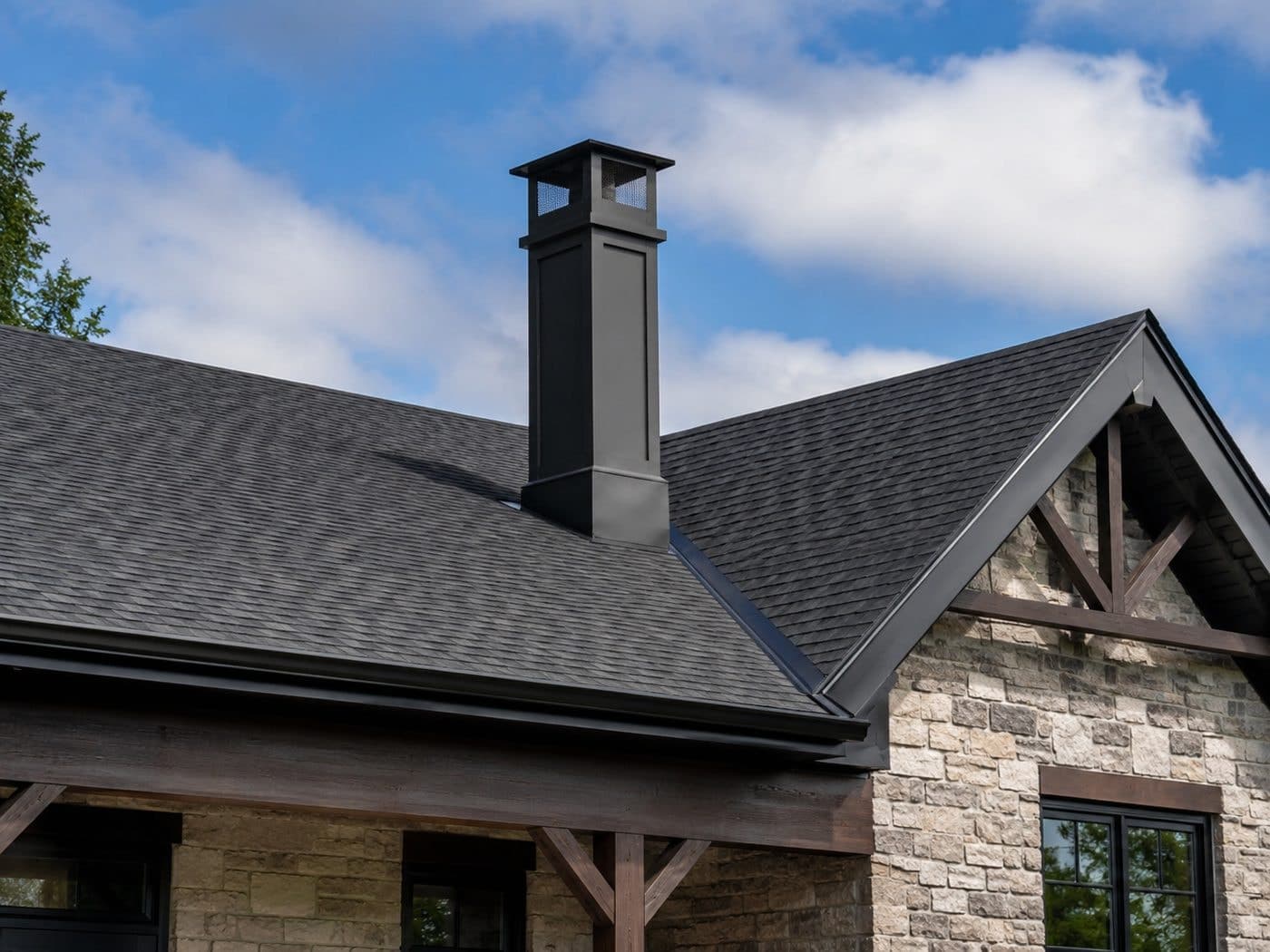
Chimney swift numbers have fallen, and USFWS encourages owners of masonry chimneys to leave them uncapped so swifts have a place to nest, cleaning outside the nesting season instead. The same agency says metal-lined chimneys should be capped because birds get trapped in them. Whether to cap a masonry chimney is your choice; if you rarely use the fireplace and don’t mind a few weeks of chirping, leaving it open is legal. A properly sized chimney cap is the way to keep birds out if you’d rather not share.
Red flags
- A bird loose in the house, or one inside a chase wall where it can’t be reached.
- Smoke coming into the room on the first fire after the season: an old nest may still be in the flue.
- Birds getting in even though a cap is present: the mesh may be torn or the cap loose.
- A strong ammonia or rotten smell: droppings or a dead bird that needs to be removed.
What a professional visit involves
- Confirming the swifts have left or that no active nest is present before any removal
- Light check of the smoke shelf, damper and flue for nests, droppings and debris
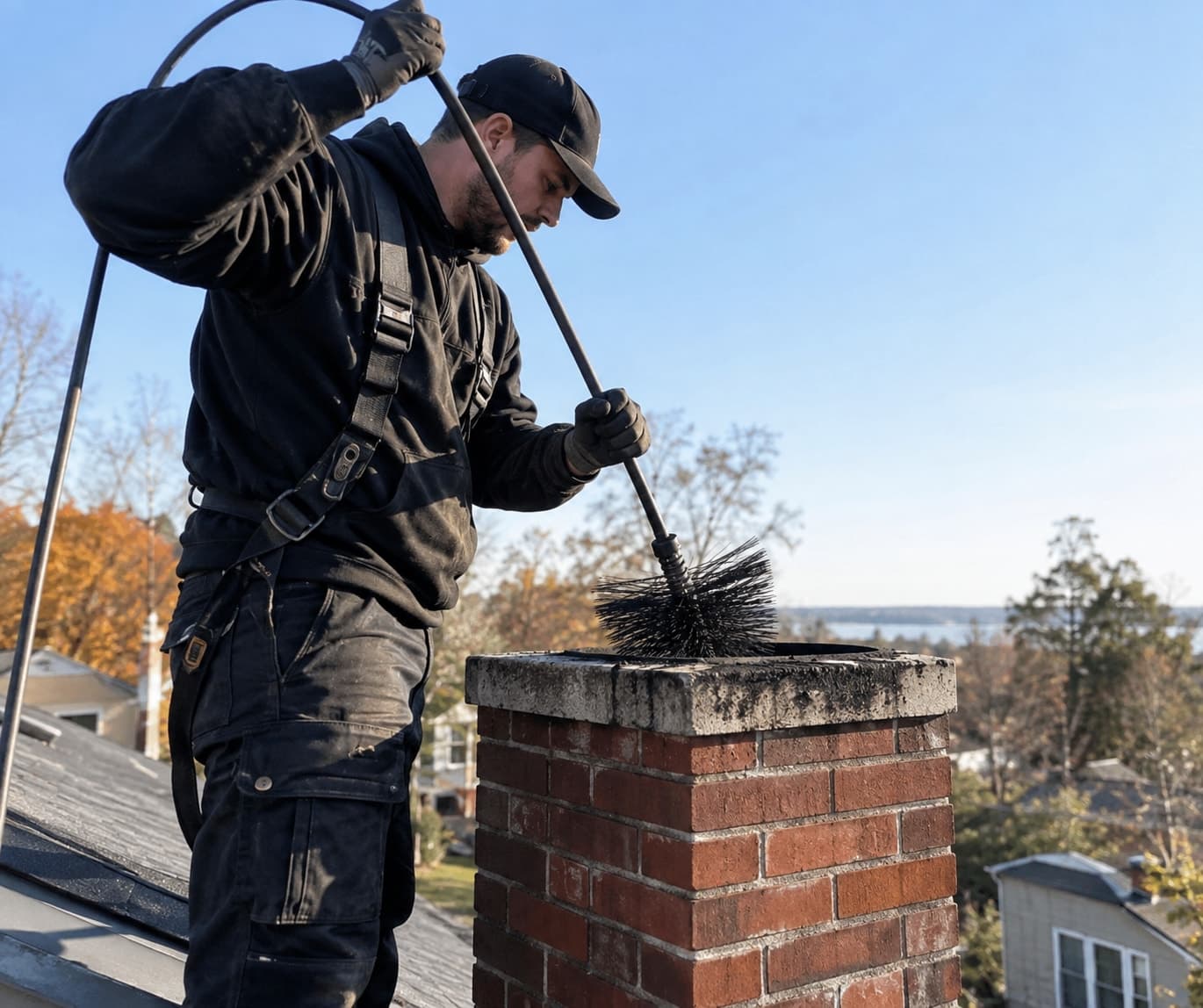
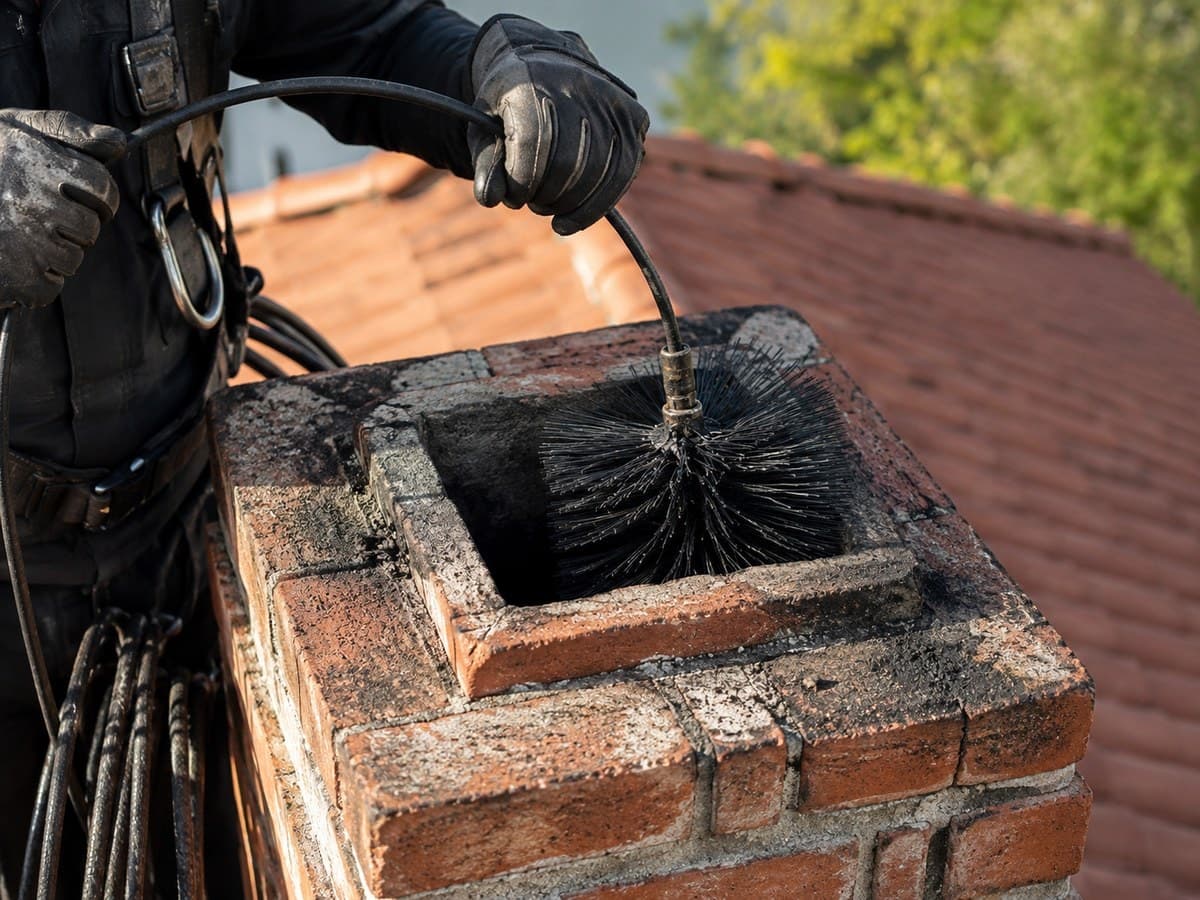
- Removal of nest material from the top or bottom, then brushing the flue
- Checking the cap, mesh, chase cover and storm collar for the gap the birds used
- Recommending a cap size and style, or a chase-top repair, for after the season
After the birds have gone
| What’s left behind | Where it’s fixed |
|---|---|
| An old nest and debris in the flue | nest and debris removal |
| Droppings and soot on the smoke shelf | a chimney sweep |
| No cap or a torn screen | a capped, screened chimney top |
Timing matters: an active chimney swift nest has to be left until the young have fledged. For live animals other than birds, see an animal in the chimney. Local: chimney cleaning in Casselberry. What a cap protects, and how it differs from a chase cover, is in chimney cap vs. chase cover, compared.
References (5)
Facts and figures on this page come from these references.