On this page
Smell gas, or think a fire is in the chimney? Stop reading.
If you smell gas: do not touch switches, leave the building, and call 911 and your gas utility from outside. If you hear a roaring or cracking sound in the chimney, see flames or heavy sparks at the top, or smell a hot, tarry odour: get everyone out and call 911. A chimney fire is a fire-service call first and a chimney-company call afterwards.
Once anyone in danger is out and the fire service has been called where it is needed, this page covers what happens next: whether the problem needs someone today, what you can safely do while you wait, and which service actually handles it.
What we treat as an emergency
An emergency is a fault that is unsafe to leave alone, or one that is actively causing damage to the house. Most of what comes up in Central Florida falls into one of the situations below.
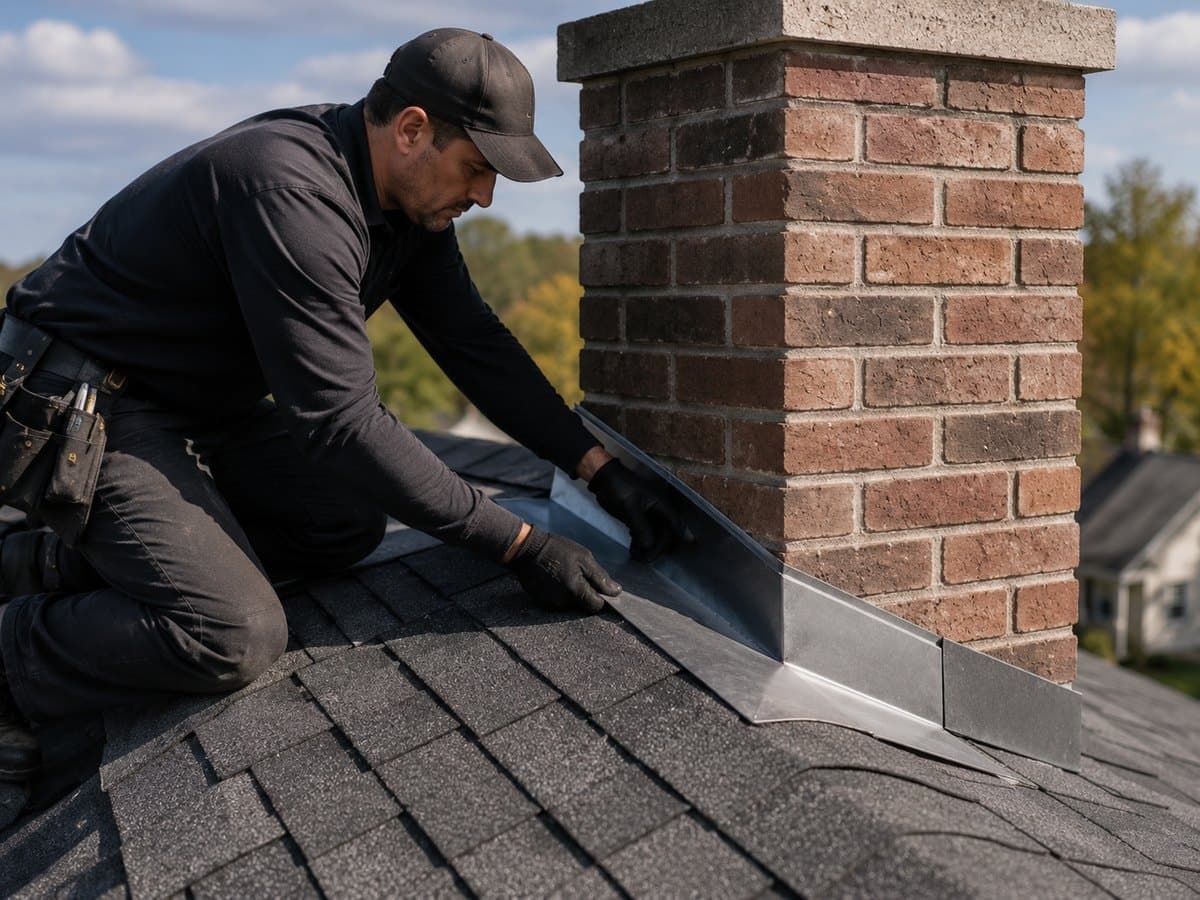
Urgent situations and where they go
01Smoke or fumes coming into the room
- What you may notice
- Smoke rolls out of the opening instead of going up, or a haze and smell linger after the fire is out.
- How it’s confirmed
- Stop using the fireplace. The flue is either blocked, the damper is shut or stuck, or the chimney is not drafting. We check the damper, look up the flue and test draft before anything is lit again.
02A blocked flue
- What you may notice
- A fire will not draw at all, debris or nesting material is visible past the damper, or a fallen flue tile is sitting on the smoke shelf.
- How it’s confirmed
- The obstruction is located from below and from the roof where access allows, then cleared. A camera scan confirms nothing is left further up.
03Water pouring in during a storm
- What you may notice
- Water running down the firebox wall, a wet patch spreading across the ceiling next to the chimney, or dripping you can hear.
- How it’s confirmed
- The immediate job is to stop water entering. The leak path — crown, cap, flashing, chase cover or the masonry itself — is traced afterwards so the repair addresses the cause.
04Storm or wind damage
- What you may notice
- A cap or chase cover blown off, cracked or shifted masonry, a chimney leaning, or debris on the roof after a named storm.
- How it’s confirmed
- A damage assessment from the ground and, where the roof is safe to walk, from above. Findings are explained so you can decide about a claim.
05A gas fireplace that will not shut off, or smells wrong
- What you may notice
- Flames that will not go out at the switch, a strong odour when the unit runs, or soot suddenly appearing on the glass.
- How it’s confirmed
- Close the appliance shut-off valve if you can reach it safely. We check the valve, ignition and burner before the unit is used again. If you smell raw gas, leave and call 911 and the gas utility first.
06An animal stuck in the flue
- What you may notice
- Scratching, flapping or chirping behind the damper, or an animal loose in the firebox.
- How it’s confirmed
- Keep the damper closed and the room shut. A live animal is a job for a nuisance wildlife trapper; once the flue is clear the nest and debris are removed and the top is screened.
07A dryer that is overheating
- What you may notice
- A burning smell during a cycle, the dryer stopping on a thermal cut-out, or a cabinet too hot to touch.
- How it’s confirmed
- Stop using the dryer. A blocked duct is the usual cause and it is a fire risk, not an inconvenience. The run is cleared and airflow rechecked.
What can safely wait for a scheduled visit
Booking an emergency visit for something that is not urgent costs you money and takes a slot from someone who needs it. These are real problems worth fixing, but they will keep until the next available appointment — as long as the fireplace is not used in the meantime where noted.
| What you have noticed | Why it can wait | Where it is handled |
|---|---|---|
| A musty or smoky smell on humid days | Unpleasant rather than unsafe. It is usually deposits plus a damper that does not seal. | Chimney odor removal |
| Rust streaks down the siding or brick | Water is getting in somewhere, but slowly. It has probably been happening for months. | Chase cover replacement |
| Hairline cracks in the crown | Worth sealing before the next wet season rather than tonight. | Chimney crown repair |
| Mortar joints crumbling on the stack | Slow deterioration. Schedule it before it reaches the point of a rebuild. | Chimney tuckpointing |
| The fireplace has not been used in years | Not urgent, but do not light it until it has been checked. | Chimney inspection |
| Clothes taking two cycles to dry | Airflow is restricted rather than blocked. Book it, but it is not tonight's problem. | Dryer vent cleaning |
| A gas fireplace pilot that will not stay lit | Annoying, and the unit simply will not run. Not dangerous while it is switched off. | Gas fireplace repair |
What to do before we arrive
Stop using the appliance
Let a wood fire burn down rather than smothering it with water, which can crack hot masonry and fill the room with steam and ash. Switch a gas unit off at the wall control and, if you can reach it safely, close the appliance shut-off valve.
Close the damper only once the firebox is cold
A closed damper keeps rain and animals out. Closing it over live embers pushes smoke and carbon monoxide into the room, so wait until everything is cold.
Get water away from the house
If water is coming in, put a container under the drip and move rugs and furniture clear. Do not climb onto a wet roof to look. Tarping in the rain is a job for someone with fall protection.
Open windows if the room is smoky
Cross-ventilate and switch off the air handler so smoke is not pulled through the ducts into the rest of the house.
Note what changed
When it started, what the weather was doing, whether a fire was lit, and any sounds or smells. Two sentences on the phone often decides whether this needs tonight or Tuesday.
Carbon monoxide has no smell
If a CO alarm sounds, treat it as real: get everyone into fresh air and call 911. Do not go back in to investigate. Every home with a fuel-burning appliance should have a working CO alarm; the CPSC recommends one on each level and outside sleeping areas (CPSC).
When we can get to you
Calls are answered 24 hours Sunday through Friday. We are closed Saturday, so a Saturday message is picked up on Sunday. Same-day visits depend on where the crew already is that day and how many urgent calls are ahead of yours — a same-day slot is offered when one genuinely exists, not promised on the phone and missed later.
What helps you get an earlier slot
- Calling early rather than at the end of the day
- A clear description of the symptom, not just the service name
- The address and whether it is one storey or two
- Whether the roof is shingle, tile or metal, and whether it is safe to walk
- Masonry chimney or a framed chase with siding or stucco
- Gated community, HOA access rules or a rental with a tenant on site
Weather sets the limit on some of this. Nobody should be on an Orlando roof during a thunderstorm, and the afternoon storms that run through the wet season regularly push roof work to the next morning. Interior diagnosis — damper, firebox, draft, a gas appliance — can usually still go ahead.
Storm season in Central Florida
Atlantic hurricane season runs 1 June to 30 November (NOAA), and that is when urgent chimney calls cluster. Wind lifts caps and chase covers, driven rain finds flashing gaps that never leaked in ordinary weather, and debris blocks flues.
After a named storm the sensible order is: make the house safe, get the damage looked at, then decide about a claim. That sequence is covered on the storm damage chimney inspection page, including what an adjuster usually wants to see.
Emergency work and what follows it
An urgent visit is about making the situation safe and stopping damage. It is not always the finished repair. Clearing a blockage tonight and relining the chimney next month are two different jobs, and you should know which one you are booking.
| Feature | The emergency visit | The repair that follows |
|---|---|---|
| Goal | Make it safe, stop the damage getting worse | Fix the underlying cause properly |
| Typical length | Part of a day | Scheduled, sometimes across more than one visit |
| Example | Clearing a blocked flue so the house is not filling with smoke | Relining or rebuilding the section that caused the blockage |
| Estimate | Scope agreed before work starts | A free estimate for the full repair |
| Weather | Interior work proceeds; roof work waits for a dry, safe roof | Planned around the forecast |
Goal
- The emergency visit
- Make it safe, stop the damage getting worse
- The repair that follows
- Fix the underlying cause properly
Typical length
- The emergency visit
- Part of a day
- The repair that follows
- Scheduled, sometimes across more than one visit
Example
- The emergency visit
- Clearing a blocked flue so the house is not filling with smoke
- The repair that follows
- Relining or rebuilding the section that caused the blockage
Estimate
- The emergency visit
- Scope agreed before work starts
- The repair that follows
- A free estimate for the full repair
Weather
- The emergency visit
- Interior work proceeds; roof work waits for a dry, safe roof
- The repair that follows
- Planned around the forecast
Estimates are free, including after an urgent call-out. You are told what the visit covers before anyone starts, and the follow-up repair is quoted separately so the two are never blurred together.
Where we come out to
Urgent calls are taken across Greater Orlando and the wider Central Florida service area — Orange, Seminole, Osceola and Lake counties. Travel time is the honest constraint on how fast anyone can reach you: a call from Winter Park at nine in the morning and a call from the far side of Lake County at nine at night are not the same trip. The service area page lists the cities and communities covered.
If you are searching for emergency chimney repair near me at two in the morning, calling is faster than a form. If it is not urgent, the estimate form is fine and gets picked up the same working day.
References (3)
Facts and figures on this page come from these references.