On this page
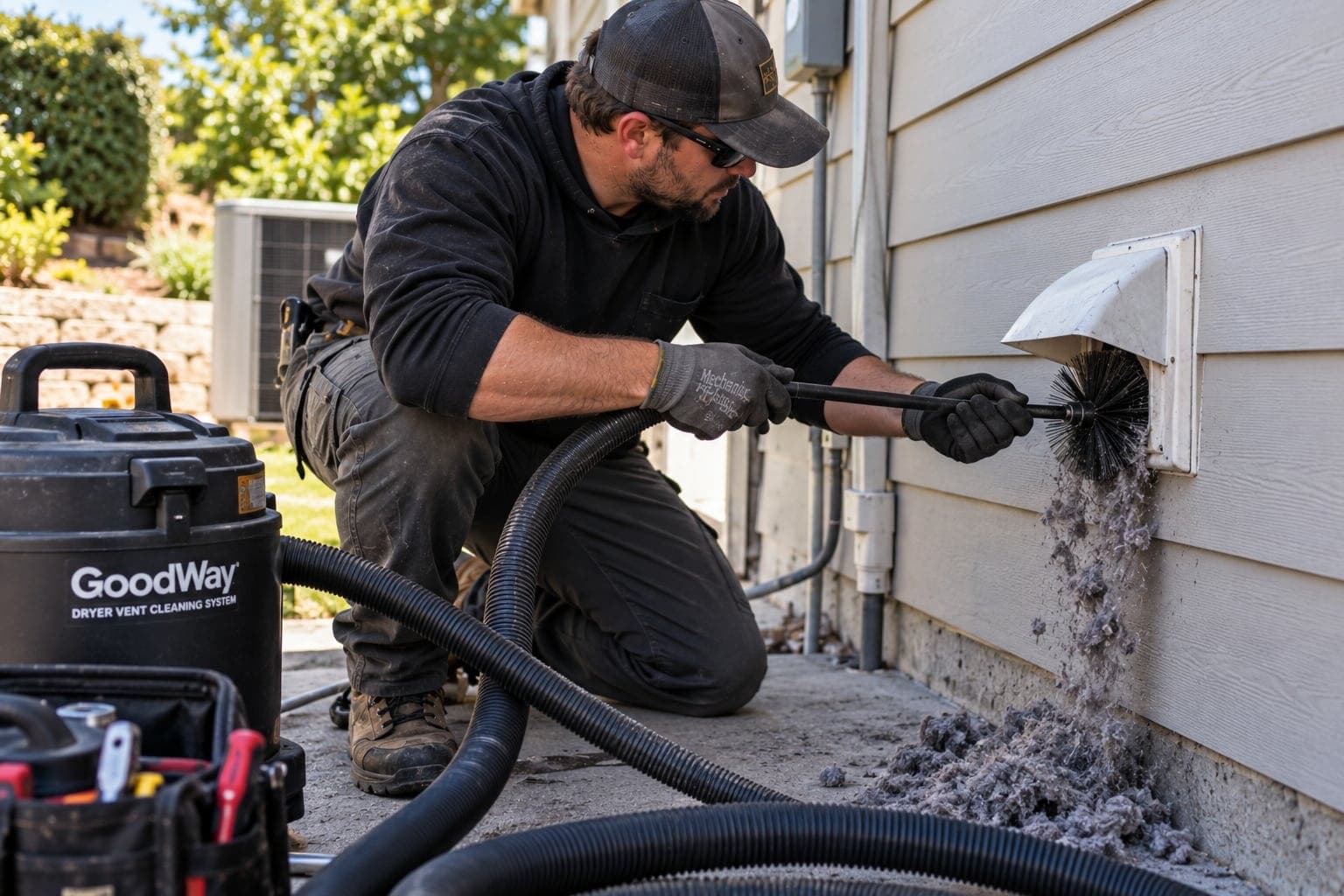
Commercial chimney work is mostly about scale and coordination. A condominium or townhome community may have dozens of factory-built fireplaces and hundreds of dryer vents, many terminating on the roof. A resort or hotel may have lobby and suite fireplaces used every evening in winter. A restaurant may run a wood-fired oven every day. Each needs the same core work as a home, organized so residents and guests are disrupted as little as possible.
Who we work with
| Property type | Typical scope |
|---|---|
| Condominium and townhome associations | Fireplace and chimney inspections, chase cover and cap work, roof dryer vent cleaning |
| Property managers and rental portfolios | Turnover inspections, rental dryer vent cleaning, repair coordination |
| Hotels, resorts and clubhouses | Fireplace cleaning and inspection, gas fireplace service, glass and door upkeep |
| Restaurants with wood-fired ovens or fireplaces | Chimney and flue cleaning and inspection on a use-based schedule |
| Churches, offices and other buildings | Inspection and repair of decorative or working fireplaces and chimneys |
What’s in scope, and what isn’t
| Feature | Included | Not included |
|---|---|---|
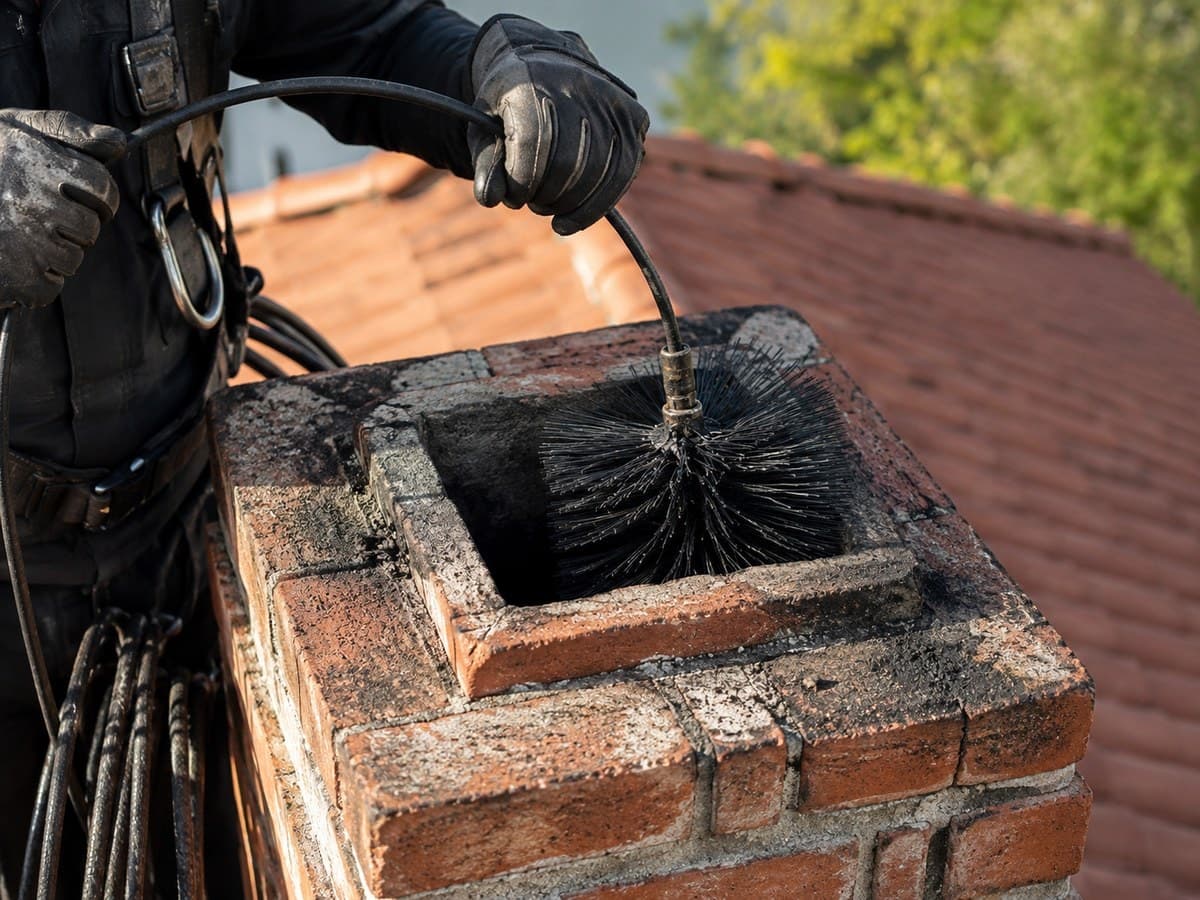
| Chimneys and flues | Inspection, sweeping, repairs, caps, chase covers, liners | Structural engineering of the building |
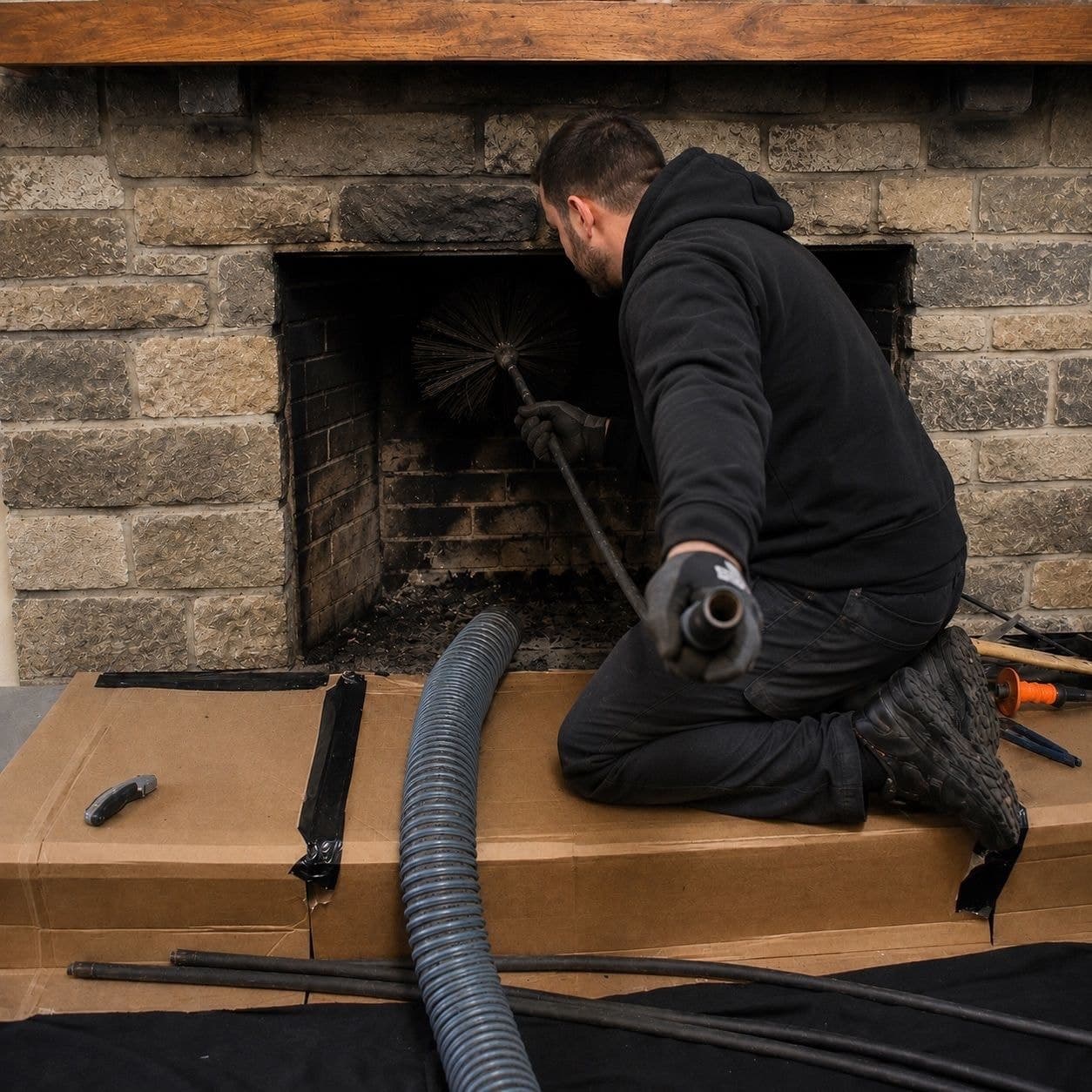
| Fireplaces | Wood, factory-built and gas fireplaces in units, lobbies and clubhouses | Gas piping (quoted as separate work) |
| Dryer vents | Unit and roof-terminated dryer vent cleaning and repair | Commercial laundry exhaust systems |
| Cooking | The chimney and flue of wood-fired ovens and hearths | Kitchen hood, grease duct and exhaust fan cleaning (NFPA 96 hood work) |
Chimneys and flues
- Included
- Inspection, sweeping, repairs, caps, chase covers, liners
- Not included
- Structural engineering of the building
Fireplaces
- Included
- Wood, factory-built and gas fireplaces in units, lobbies and clubhouses
- Not included
- Gas piping (quoted as separate work)
Dryer vents
- Included
- Unit and roof-terminated dryer vent cleaning and repair
- Not included
- Commercial laundry exhaust systems
Cooking
- Included
- The chimney and flue of wood-fired ovens and hearths
- Not included
- Kitchen hood, grease duct and exhaust fan cleaning (NFPA 96 hood work)
Wood-fired ovens and commercial cooking
Restaurants that burn wood or charcoal build creosote much faster than homes, and commercial cooking exhaust is governed by NFPA 96, which sets inspection frequencies based on the type and volume of cooking. Systems serving solid-fuel cooking have the most frequent schedule. The kitchen hood and grease duct are a specialist hood-cleaning job; we handle the oven’s chimney and flue, and coordinate with your hood contractor so the whole path is covered.
How commercial service works
Walkthrough and inventory
Every chimney, fireplace and vent listed by building and unit, with type, access and condition.
Schedule around occupancy
Work planned by building or floor, with resident notices and access arranged through management.
Service
Inspection, cleaning and minor repairs completed unit by unit.
Unit-level records
Findings recorded for each unit, so boards and managers can plan repairs and budgets.
Repair planning
Larger items such as chase covers, caps or liners grouped into a repair plan that can be phased.
Annual inspection is the baseline NFPA 211 sets for chimneys, fireplaces and vents (NFPA 211). For dryer vents, the U.S. Fire Administration identifies failure to clean as the leading factor in dryer fires (USFA), which matters most in multifamily buildings where one fire affects many households.
After storms
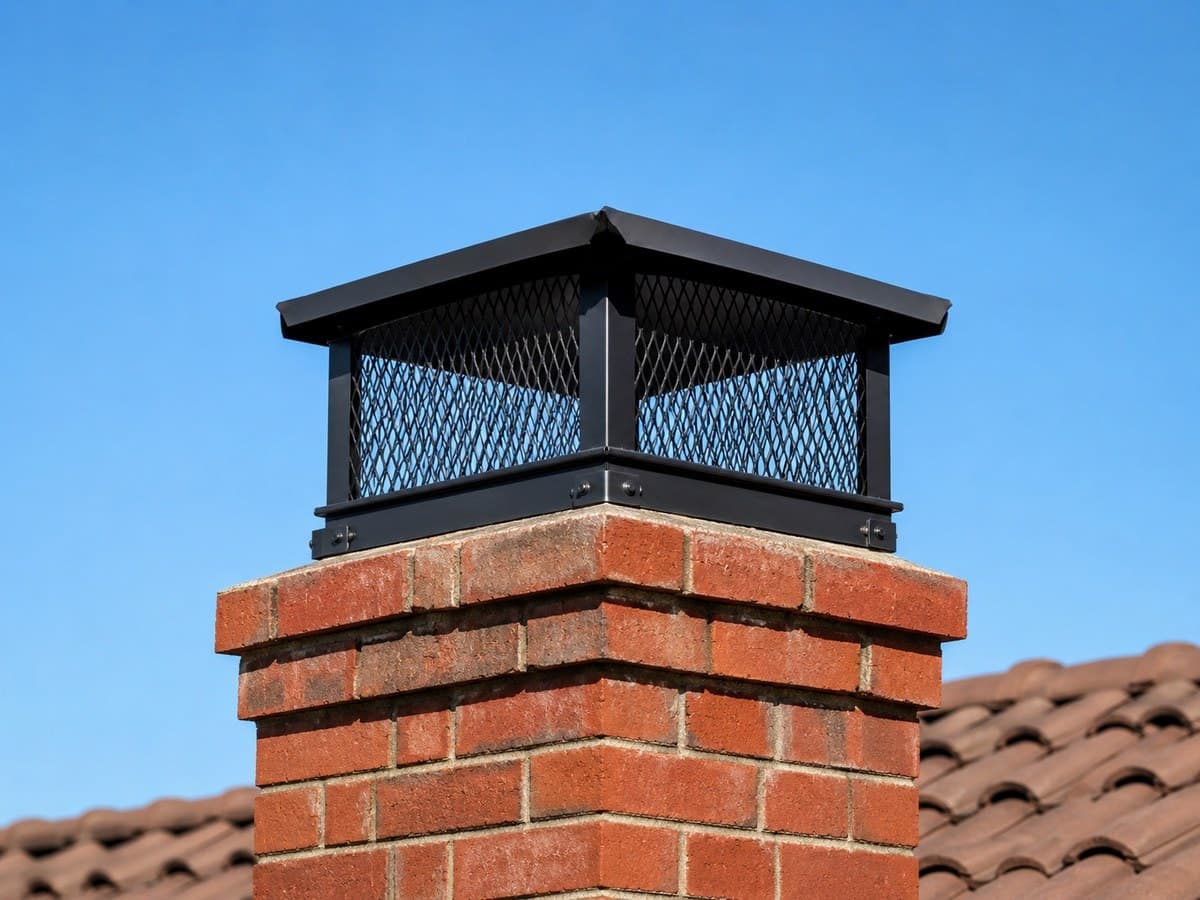
After a hurricane, associations often need every chimney top checked quickly: missing caps, lifted chase covers and damaged flashing. A storm damage chimney inspection across the property gives the board a documented list for repairs and insurance.
Short-term and vacation rentals
Central Florida has one of the largest short-term rental markets in the country, concentrated along the US-192 corridor through Kissimmee, Davenport, Celebration and Four Corners. A great many of those homes have a fireplace that guests will try to light at some point in the year, whatever the listing says.
That creates a specific problem. The fireplace is used unpredictably, by people who have never seen it before, in a house nobody lives in. Nobody notices a damper that will not open or a nest in the flue until a guest has already lit a fire under it.
What rental operators usually need
- A pre-season check before the cooler months, when guests start using the fireplace
- Work scheduled into a turnover window rather than a guest stay
- Access by lockbox or smart lock, arranged with the management company
- A clear statement of what is and is not safe to use, so it can go in the house manual
- Dryer vents cleared on a schedule, since rentals run far more laundry than a family home
- One point of contact and one invoice across several properties
Dryer vents in rentals are covered in depth on the rental and property manager dryer vent page, and the guide to dryer vents in vacation rentals explains why turnover laundry loads change the cleaning interval.
HOAs and community associations
Associations typically come to us with one of two jobs: a condition survey across a group of buildings, or a recurring programme for shared and unit chimneys. Both are quoted per building rather than per visit, so a board can put a real number in front of owners.
| Scope | What it covers | Typical timing |
|---|---|---|
| Condition survey | Every chimney and chase assessed, with findings grouped by urgency so the board can phase the spend | Before budget season, or after a storm |
| Reserve-study support | Condition information the association can use when planning component replacement | On the association's cycle |
| Scheduled maintenance round | Sweeping and inspection across the community on one mobilisation | Annually, usually autumn |
| Storm response | Damage assessment across the site, prioritised by what is letting water in | After a named storm |
| Unit-by-unit service | Individual owners booked directly, with the association coordinating access | Rolling |
Doing a whole community in one mobilisation is usually the cheaper route, because roof access and set-up are the expensive parts of a single visit and they get shared across every unit.
Property management companies
For managed long-term rentals the practical issues are access, tenants and records. Work is scheduled with the tenant rather than sprung on them, and the findings go to the manager rather than being left with whoever opened the door.
What managers ask us to deal with
01Tenant reports smoke in the room
- What you may notice
- A complaint mid-tenancy, usually the first cold week of the year.
- How it’s confirmed
- Diagnosed as a draft problem rather than assumed to be a dirty chimney. The cause decides who pays and what gets fixed.
02Turnover between tenancies
- What you may notice
- A short empty window with a lot to fit into it.
- How it’s confirmed
- Sweep and inspection booked into the vacancy, which is the only time full access is straightforward.
03Dryer taking several cycles
- What you may notice
- Repeated tenant complaints, or a dryer that keeps cutting out.
- How it’s confirmed
- Usually a duct nobody has cleared since the property was built. It is a fire risk, not a comfort issue.
04An unknown fireplace at handover
- What you may notice
- A property taken on with no service history and a fireplace of unknown condition.
- How it’s confirmed
- An inspection establishes whether it can be offered to tenants at all, which is worth knowing before the lease says it can.
05Water coming in during the wet season
- What you may notice
- Stains appearing on a ceiling next to a chimney across several units.
- How it’s confirmed
- The leak path is traced per building. In managed portfolios the same detail has usually failed on several roofs at once.
Businesses and multi-unit buildings
Beyond housing, the fireplaces and flues we are asked to look after are usually in clubhouses, lobbies, resort common areas, event spaces and older commercial buildings that still have masonry stacks.
Two boundaries are worth stating plainly. Commercial kitchen exhaust and grease-duct cleaning under NFPA 96 is a separate trade with its own equipment and documentation, and it is not something we offer. Neither is industrial stack work. If that is what you need, you will get a faster answer from a specialist than from us.
Scheduling, access and invoicing
Tell us the portfolio, not just the address
How many properties, where they are, what kind of chimney or vent each has. A route across twelve homes in one area is a different job from twelve scattered across four counties.
Walk the first site
One visit establishes what the rest are likely to be, because homes in the same community usually share the same fireplace and the same faults.
Free estimate covering the whole scope
Priced across the portfolio rather than per call-out, so the budget line is one number.
Agree access
Lockbox, on-site manager, tenant notice or an escort. This is what actually decides whether a scheduled day works.
Work the route
Properties grouped geographically to keep mobilisations down.
Invoice to the manager
Consolidated billing to the management company or association rather than chasing individual owners.
Urgent situations across a portfolio are handled the same way as for a homeowner: calls are answered 24 hours Sunday through Friday, we are closed Saturday, and same-day attendance is offered when a slot genuinely exists. See what counts as an urgent call-out for where the line sits.
Where we work
Commercial and portfolio work runs across Orange, Seminole, Osceola and Lake counties: Orlando, Winter Park, Altamonte Springs, Kissimmee, St. Cloud, Celebration, Lake Nona, Oviedo, Clermont and the rest of the Greater Orlando service area. Tell us where the properties are when you first call, because the geography usually decides whether a programme is worth running as one route.
References (2)
Facts and figures on this page come from these references.