Winter Park’s housing, in numbers
According to Census estimates for 2020–2024, the median Winter Park home was built in 1976. 39.4% of homes predate 1970 and 56.2% predate 1980, which is well above Orlando’s citywide 20.4% pre-1970 share. Only about a quarter were built after 2000, and roughly six in ten homes are detached houses (Census ACS via Census Reporter). The City of Winter Park counts more than 700 recorded historic structures (City of Winter Park).
From that age profile we’d expect a large share of Winter Park fireplaces to be site-built masonry: a brick firebox and a brick chimney, usually lined with clay flue tile. That’s an inference from build dates, not a survey of fireplaces. Houses rebuilt or added since 2000 are more likely to have factory-built or gas units in framed chases, and the two can sit side by side on the same street.
What older Winter Park chimneys tend to need
Common findings on brick chimneys from the 1920s–1970s
01Cracked or eroded crown
- What you may notice
- Water stains on the ceiling or wall near the chimney after heavy rain; debris on the smoke shelf.
- How it’s confirmed
- Roof-level look at the crown surface and the gap around the flue tile; we check for hairline cracks that open in the sun and close in the rain.
02Open mortar joints and spalling brick
- What you may notice
- Sandy mortar on the roof or in the gutter; brick faces flaking off, often on the side that gets the most sun and rain.
- How it’s confirmed
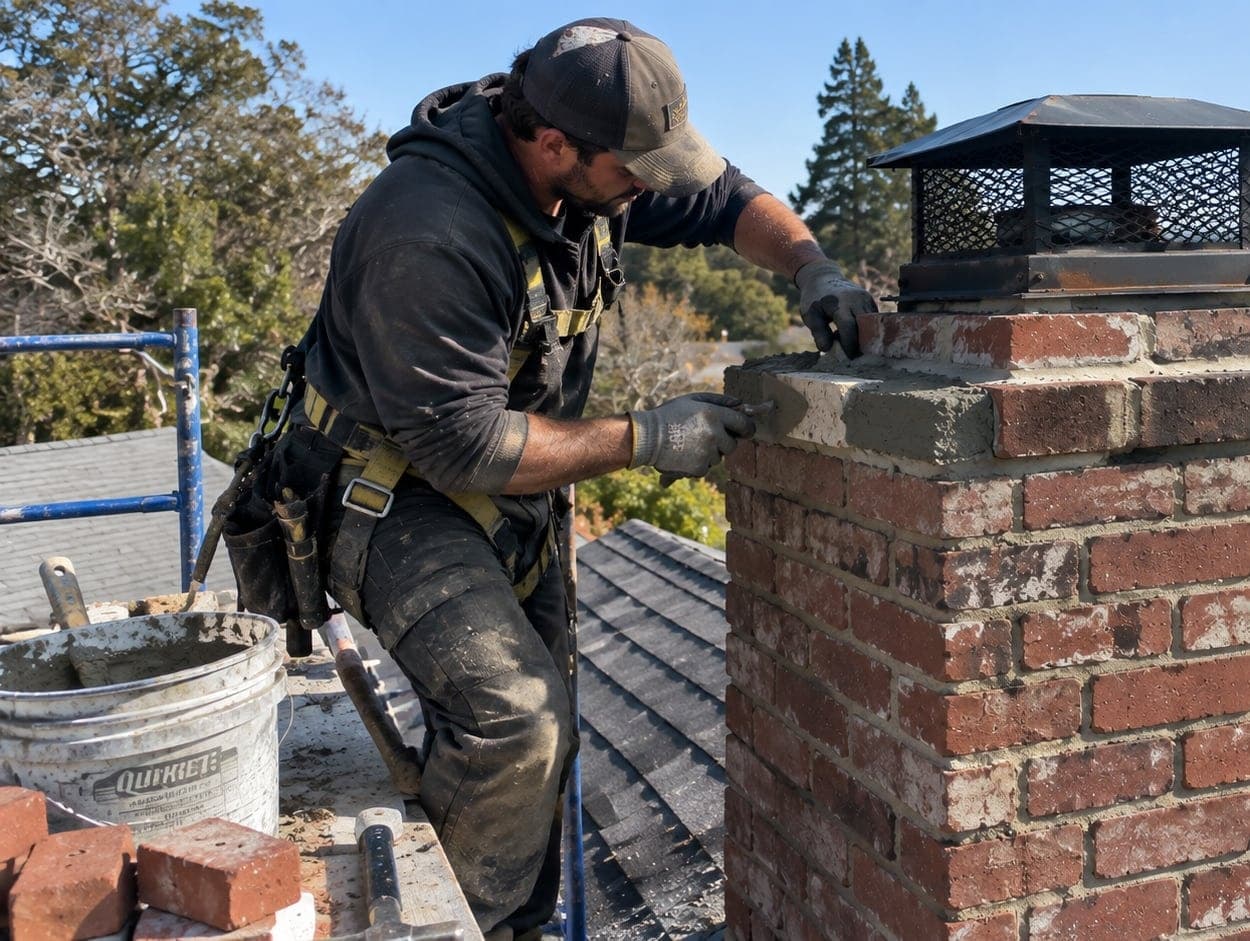
- Probe the joints, look for white efflorescence staining, and compare the upper courses with the protected lower brick.
03Cracked or offset clay flue tiles
- What you may notice
- Often none. The first sign is sometimes a smoky odor or tile shards in the firebox.
- How it’s confirmed
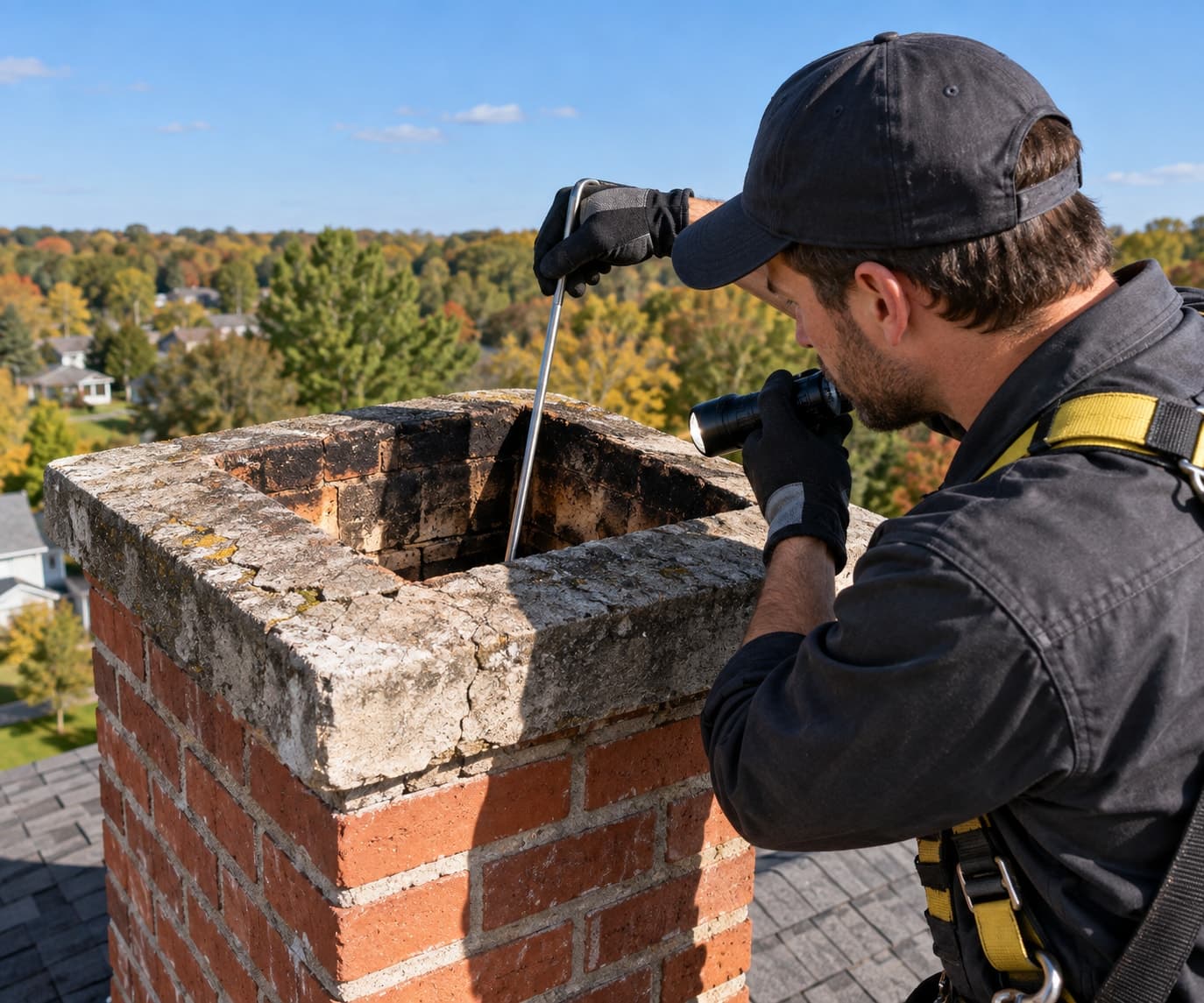
- A full-length look at the flue, which is the only practical way to see joints and cracks inside a clay liner.
04Tired flashing on a reroofed house
- What you may notice
- Drips at the ceiling line on one side of the chimney; stains in the attic around the chimney framing.
- How it’s confirmed
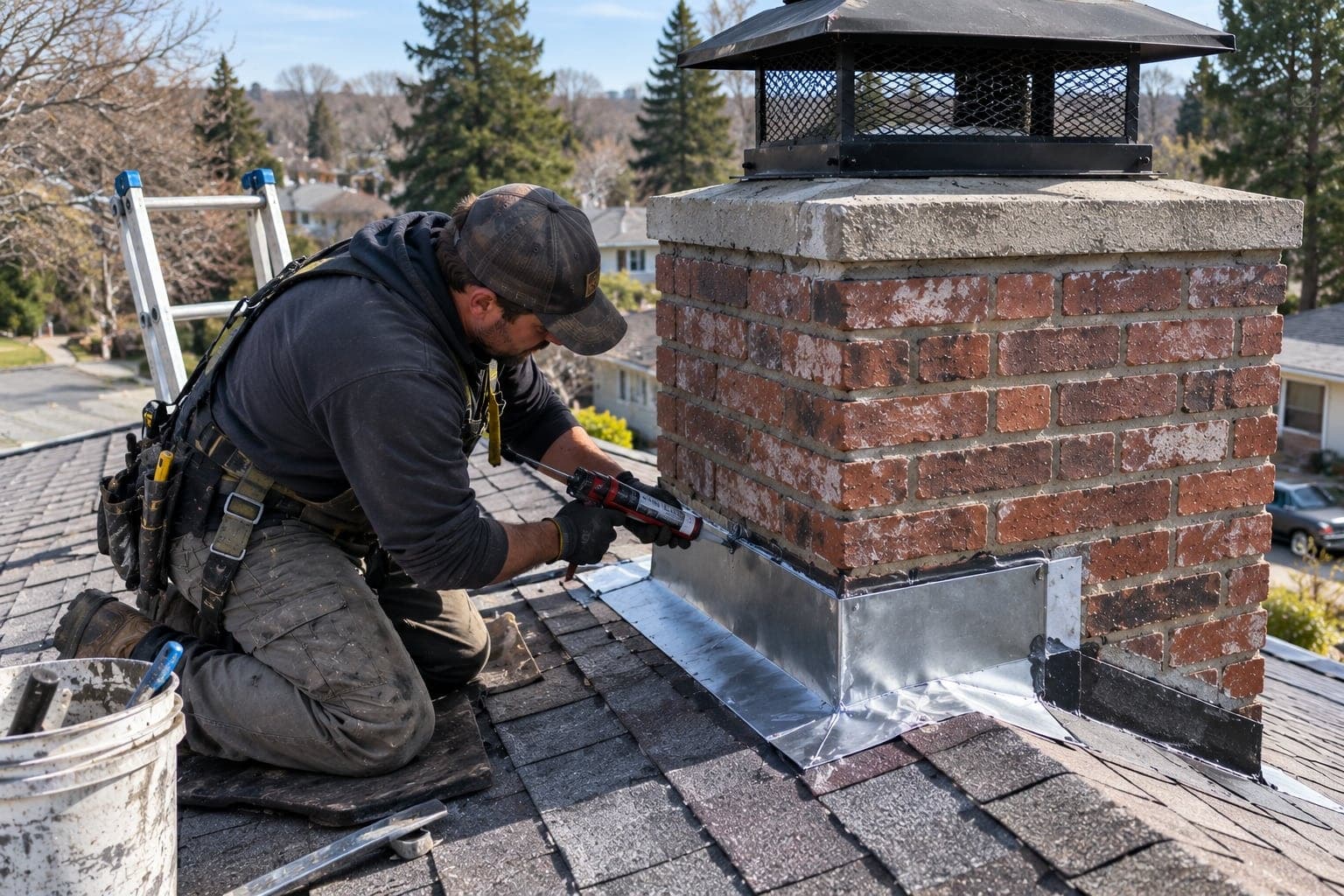
- Check how the step and counter flashing were tied in during the last reroof, and whether it was sealed with caulk alone.
Most of these share one cause: water getting into the masonry. The Orlando area gets roughly 51.5 inches of rain in a normal year (CurrentResults, NCEI normals), and much of it arrives in short, hard afternoon storms from June to September (NWS Melbourne). A fifty-year-old crown sees a lot of those storms. When a leak shows up, tracing and fixing the chimney leak starts by finding the actual entry point, because sealing the wrong spot just moves the drip.
Chimney, fireplace and dryer vent work in Winter Park
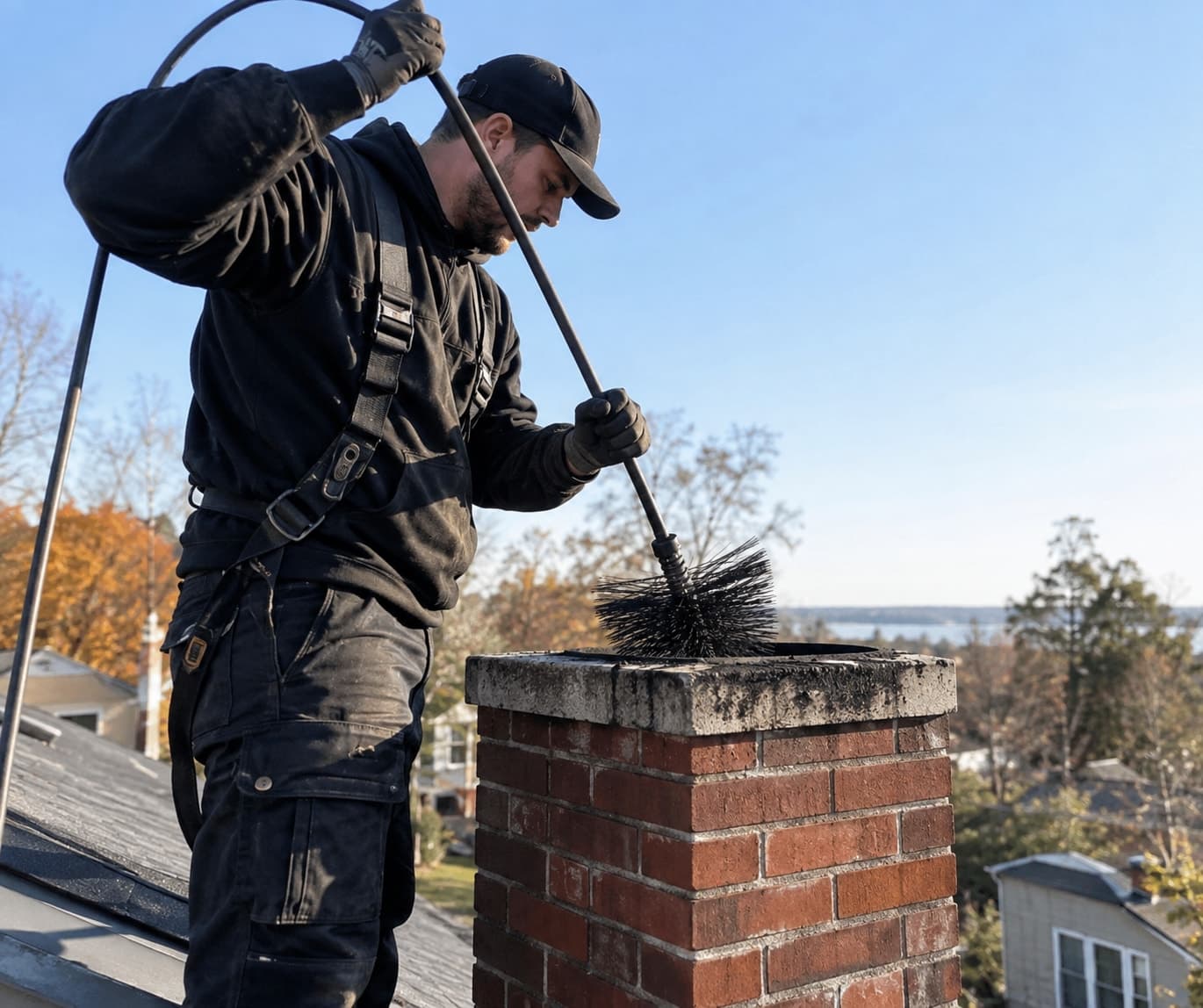
This page covers Winter Park as a whole. Each service below has its own Winter Park page with the process, the local housing context and what to expect from a visit. On an older masonry house, the work usually starts with the chimney and moves to the fireplace and dryer vent from there.
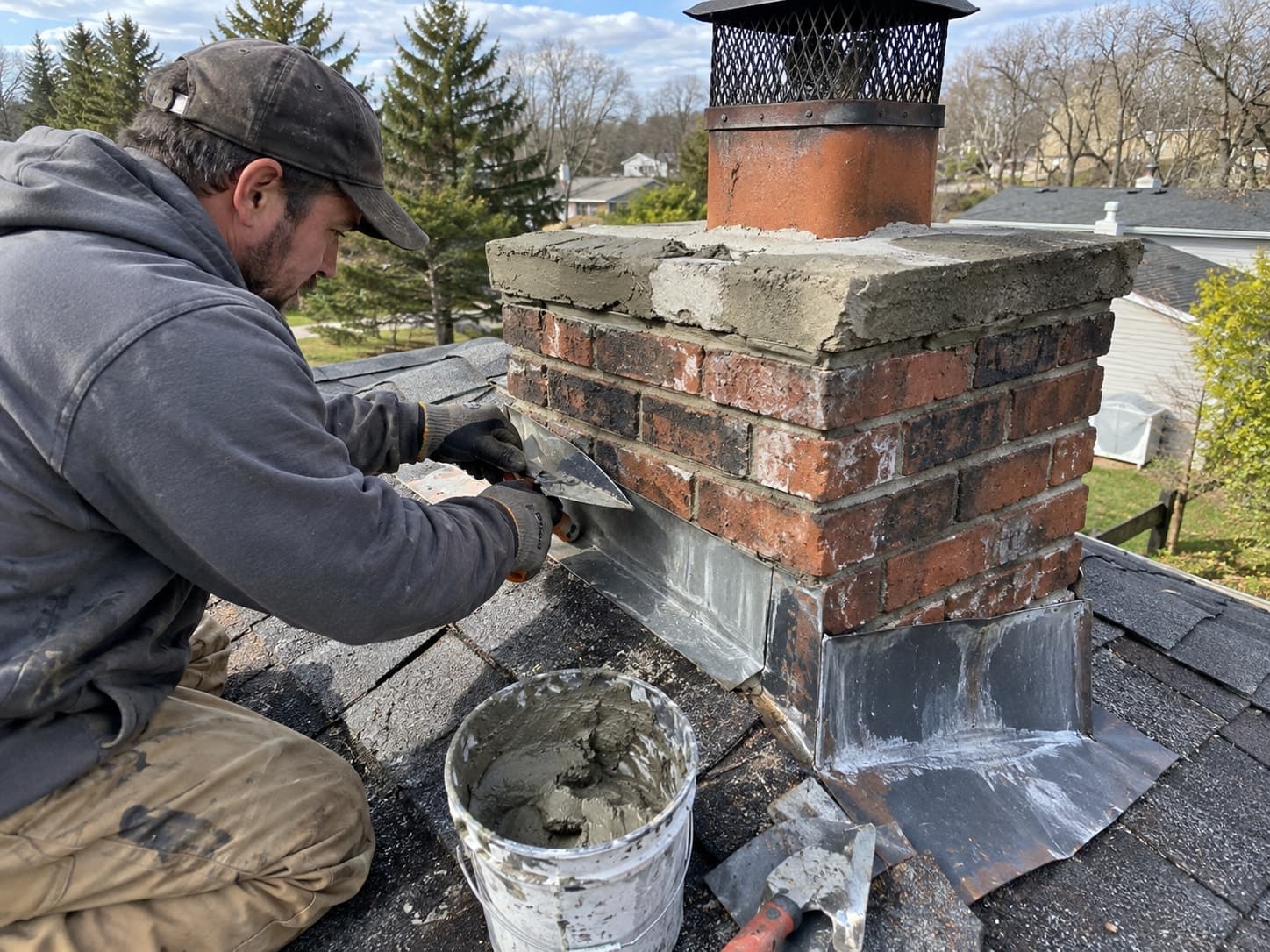
- Crowns, mortar, liners and flashing: chimney repair in Winter Park, usually planned after the flue has been inspected.
- Stains after heavy rain: the leak diagnosis and repair visit finds the entry point before anything is sealed.
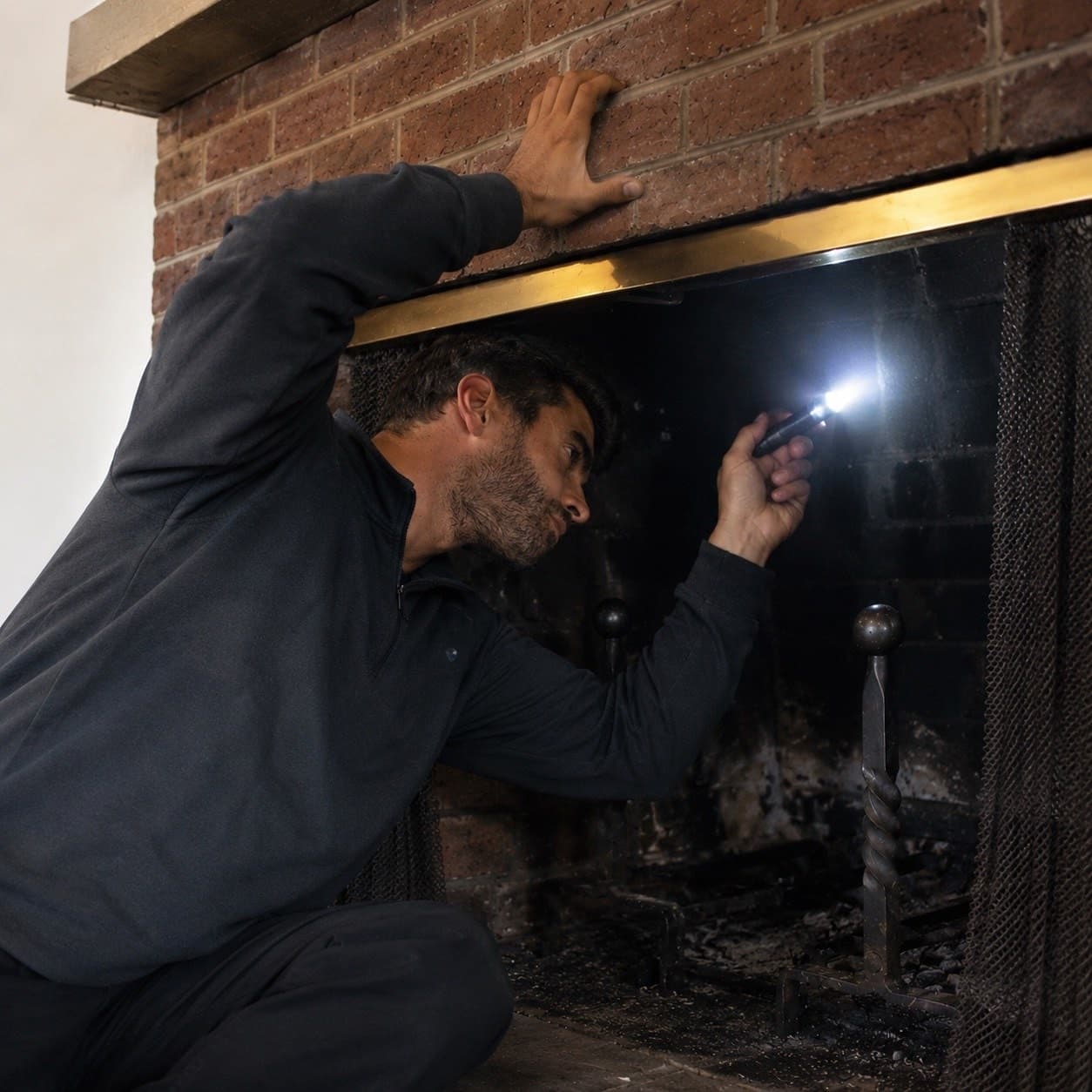
- Before you use an inherited fireplace, or before a sale: a Winter Park chimney inspection with the flue interior included.
- Soot, creosote and debris in a flue that sees a few fires a year: local chimney sweeping, or a deeper chimney cleaning when nests, odor or heavy buildup are involved.
- Firebox cracks, dampers and doors: fireplace repairs for Winter Park homes, for masonry and factory-built units alike.
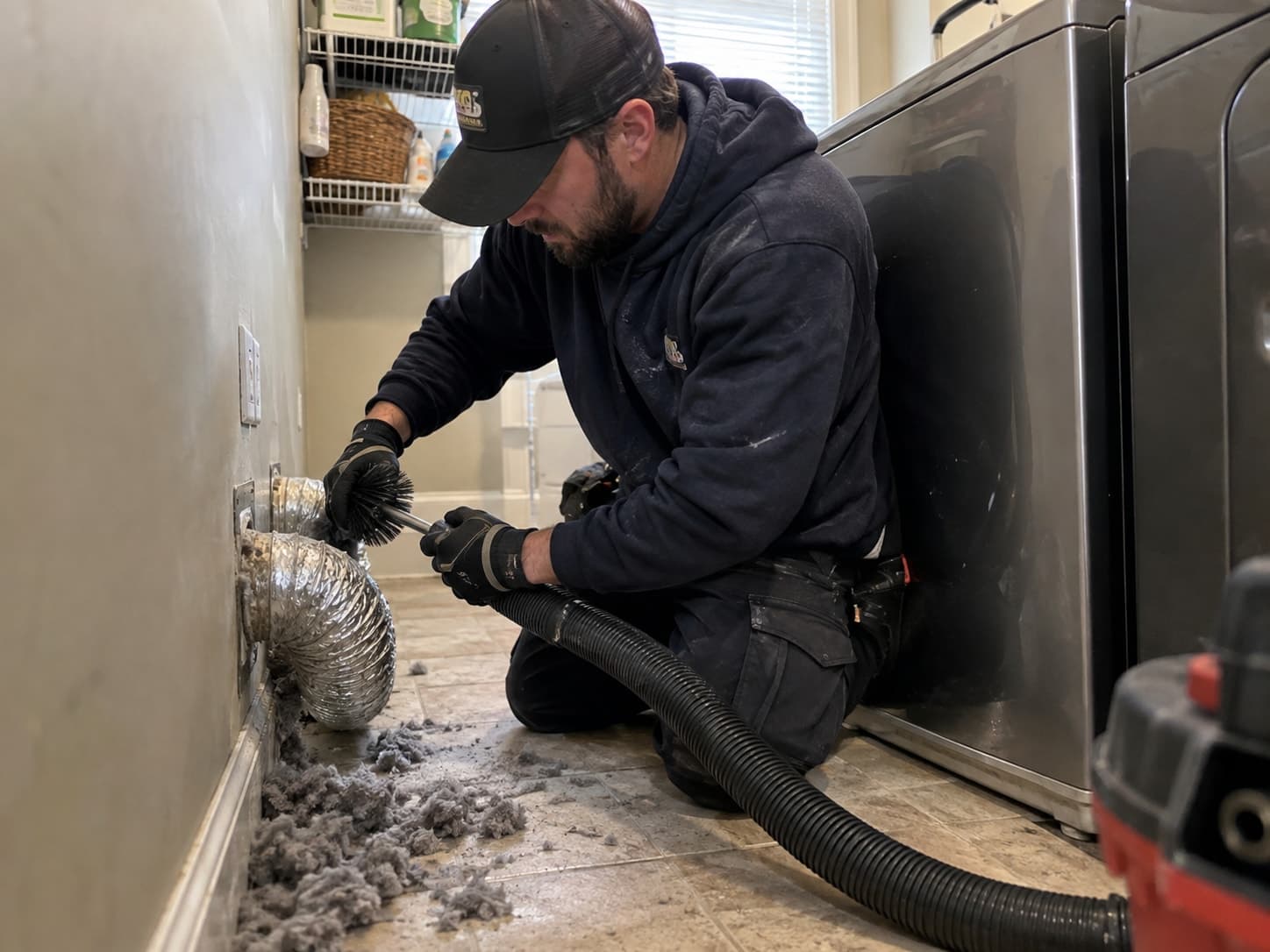
- Slow drying or a hot laundry room: dryer vent cleaning for local homes, with the outside termination included.
Historic homes and exterior changes
With more than 700 recorded historic structures in the city, some Winter Park chimneys sit on designated properties. If yours may be one, ask the City of Winter Park’s historic preservation staff whether exterior chimney work, such as a rebuilt crown, a new cap or a change of brick, mortar color or stucco, needs review before it starts. A clear description of the proposed materials, mortar and details gives the reviewers something concrete to judge.
On older brick, matching matters even without a formal review. Hard modern mortar on soft old brick can make the brick crack before the joint does. The repair plan should name the mortar type and explain why it was chosen.
Buying or selling a Winter Park home
Winter Park’s median home value is $731,400 (ACS 2020–2024), so there’s a lot riding on a sale. Florida’s home inspection standards require the inspector to look at visible parts of the fireplace, but not at the flue interior. The chimney also isn’t part of a 4-point insurance inspection, which covers roof, electrical, plumbing and HVAC. A real-estate chimney inspection adds a full look at the flue and findings you can act on, which is useful whether you’re negotiating as a buyer or getting ahead of questions as a seller.
Sweeping and caps for occasional fires
Fireplaces here usually see light use. January nights in the Orlando area average around 52 °F, and a freezing night happens about once a year. Light use still leaves soot and creosote, and an idle flue collects leaves, nests and debris. NFPA 211 calls for chimneys to be inspected at least once a year and cleaned when needed. A chimney sweep timed before the cool months fits how people actually use fireplaces here.
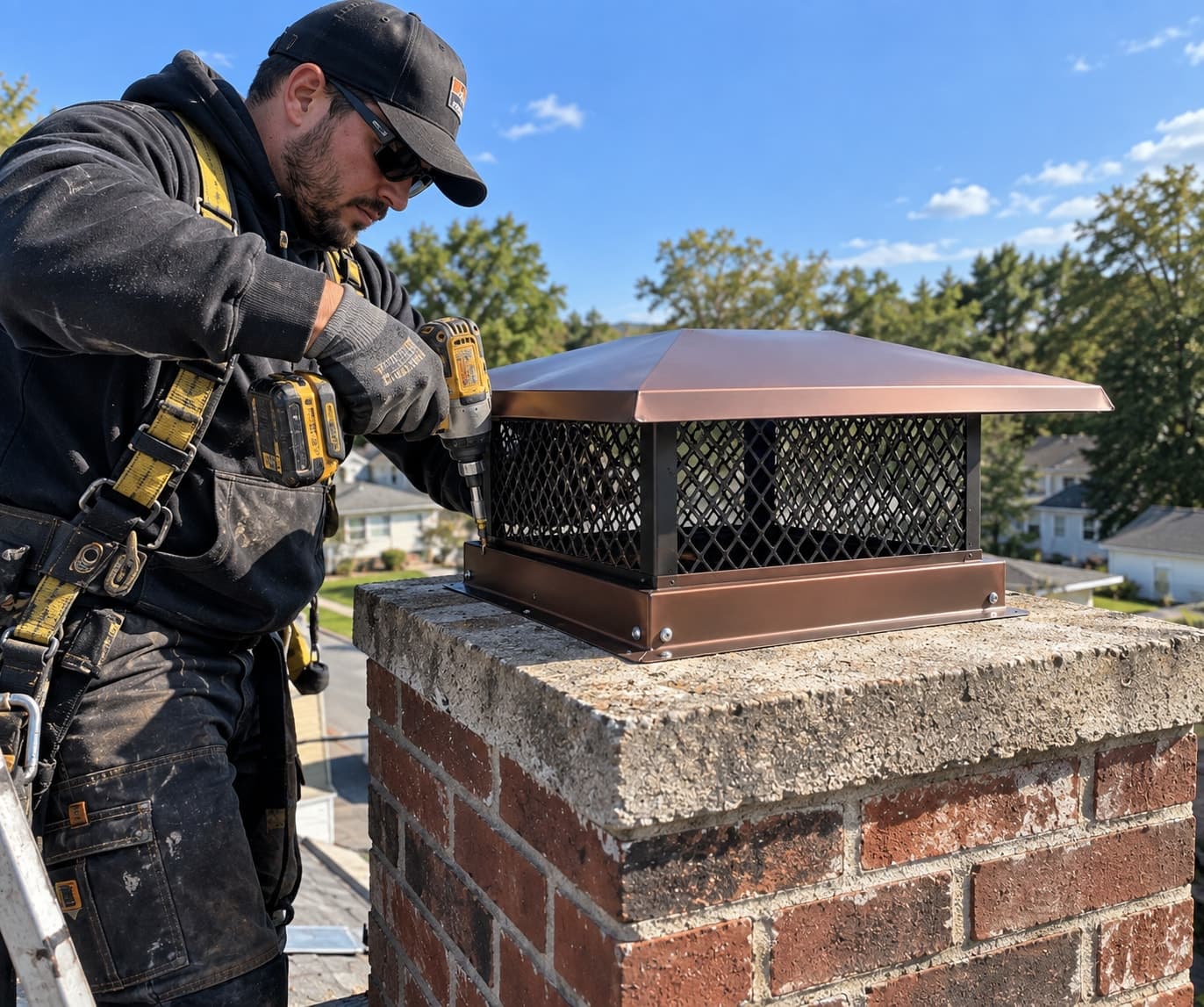
An uncapped masonry flue is an open pipe for rain and animals. A chimney cap sized to the flue tile solves both. If chimney swifts are nesting, they are protected under the federal Migratory Bird Treaty Act, so capping waits until the birds have left (USFWS).
Nearby older neighborhoods
Parts of Orlando just south of Winter Park, such as Audubon Park and the Lake Lawsona area, have a similar mid-century housing profile. See the Orlando neighborhoods page for their data.
References (8)
Facts and figures on this page come from these references.
- 1Census Reporter: Winter Park city, ACS 2020–2024
- 2City of Winter Park: Historic Preservation
- 3CurrentResults: Orlando weather averages (NCEI normals)
- 4NWS Melbourne: Florida Rain Machine
- 5NFPA 211 standard
- 6Florida Administrative Code 61-30 (home inspection standards)
- 7Slide Insurance: What is a 4-point inspection
- 8USFWS: Chimney swifts