On this page
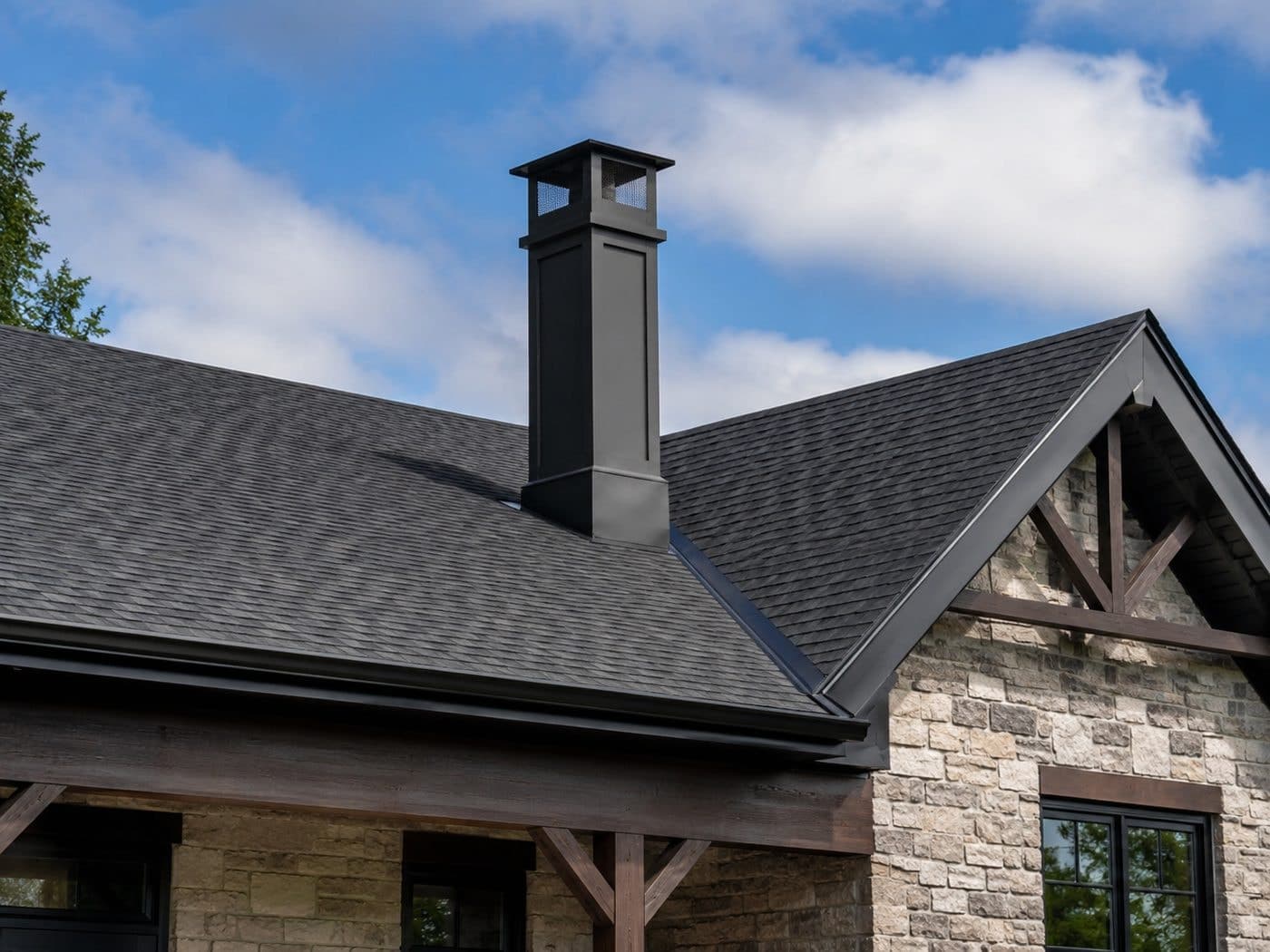
Many Central Florida homes built since the 1980s have a factory-built chimney: a metal pipe inside a wood-framed chase clad to match the house. The chase cover closes the top of that box, and it is the chimney’s main roof. When it fails, water runs into the framing, the fireplace and sometimes the ceiling below.
Many covers are replaced when a repair would do, and many are patched when replacement was the only real fix. This page explains how we tell the difference. When replacement is the answer, see chase cover replacement.
What can be repaired
| Problem | Repairable? | What the repair involves |
|---|---|---|
| Surface rust, metal still solid | Usually | Rust removed, metal treated and coated with a system rated for exterior metal |
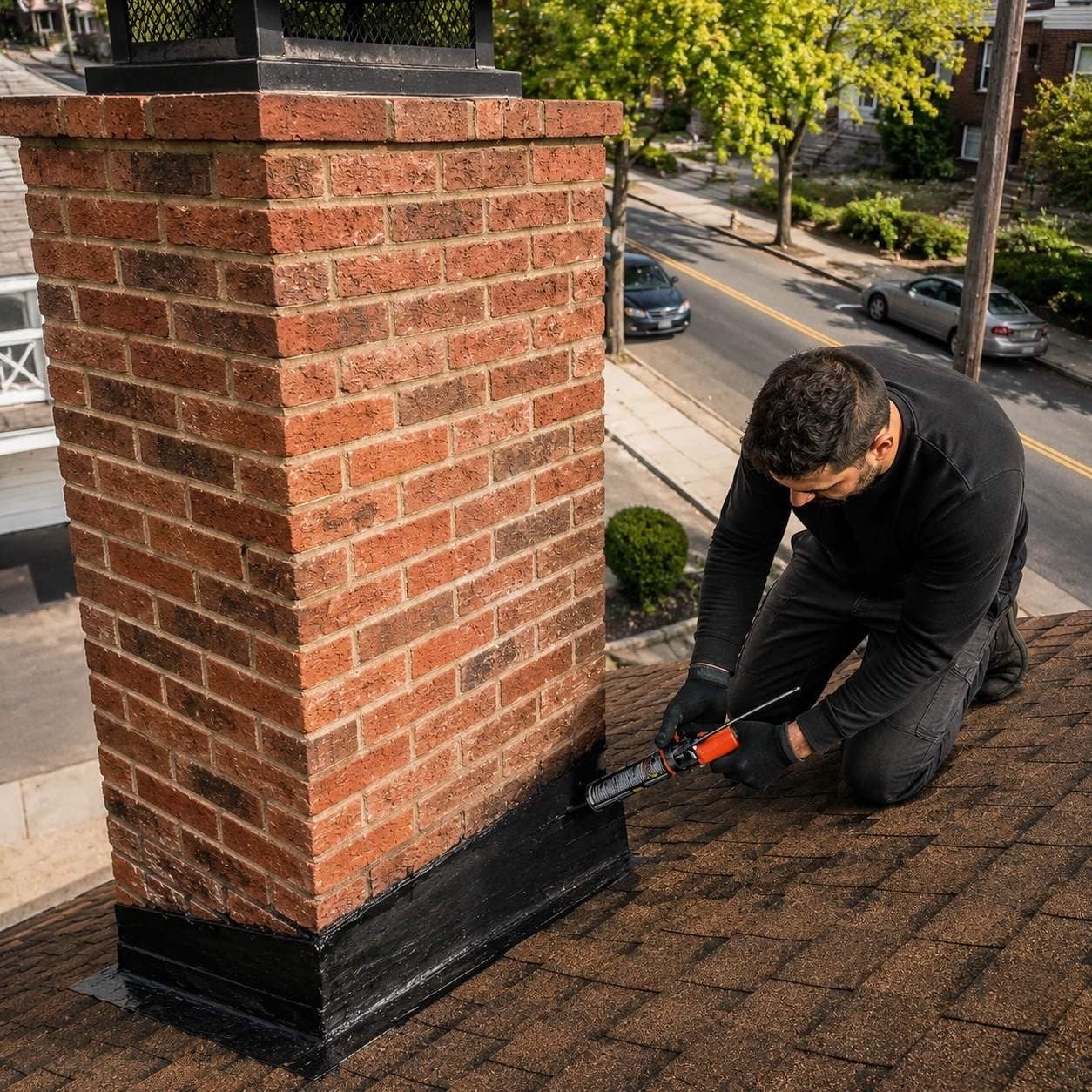
| Leaking seam or corner | Often | Seam cleaned and sealed with a compatible high-temperature sealant |
| Loose cover or missing fasteners | Yes | Re-secured to the chase with corrosion-resistant fasteners |
| Leaking storm collar around the pipe | Yes | Collar re-seated and sealed, or replaced with the listed part |
| Rusted-through holes | Rarely | Small spots may be patched, but widespread holes mean replacement |
| Flat or sagging cover that holds water | No | Water pools on any flat cover; replacement with a sloped or cross-broken cover fixes it |
When replacement is the better option
- The cover is flat or dished and holds water; no coating changes the shape
- Rust has gone through the metal in more than a spot or two
- The cover has no skirt or drip edge, so water runs back under it onto the framing
- Water has already damaged the chase framing or the fireplace, and the cover has to come off for that repair anyway
In those cases a repair only buys a season. Chase cover replacement covers the custom-measured stainless and galvanized options, slope and cross-breaks.
Why chase covers fail early in Florida
Builders often used flat galvanized covers. Rain sits on a flat cover instead of running off, and Orlando’s roughly 51.5 inches of rain a year (CurrentResults, NCEI normals) plus constant humidity keep the metal wet. Rust starts where water pools, usually around the flue opening and the edges. The first sign homeowners notice is often rust streaking down the chase siding.
Check below the cover too
By the time a chase cover is visibly rusty, water may already be in the chase. We check the framing, the firebox top and any interior ceiling near the chimney. Rotten framing or a water-damaged fireplace unit changes the scope, and a patch on top won’t fix what is underneath.
How a repair visit works
Inspect from the roof
Cover condition, slope, seams, fasteners, storm collar and termination cap.
Check inside the chase
Where access allows, framing, the chimney pipe and signs of water below the cover.
Decide repair or replace
You get a straight answer based on metal condition, slope and what the water has already done.
Repair
Clean, treat and coat rust; seal seams and the storm collar; re-fasten the cover.
Water test
Where practical, water is run over the repaired area to confirm it sheds properly.
Related parts that often fail together
- The termination cap on the pipe, which rusts at the same pace as the cover. See replacing a rusted cap.
- The chase siding and trim, where rust and water stain first show. Siding repair itself is a carpentry or siding job, which we note in the findings.
- The chimney pipe and firebox, which can rust from water entering above. See prefab chimney repair.
Repair or replace?
A straight answer, because this is the question the visit exists to settle.
| Feature | Worth repairing | Worth replacing |
|---|---|---|
| Rust | Surface rust only, metal still solid | Perforated anywhere, or soft when pressed |
| Seams | A seam or joint that has opened but is otherwise sound | Multiple failed seams |
| Collar | Sealant round the flue collar has perished | The collar itself has corroded away |
| Shape | Holds its form and sheds water | Dished, so water ponds on it |
| Cross-break | Present and working | Absent — the cover will keep ponding whatever you do to it |
| Material | Stainless or copper with a localised fault | Galvanised steel that has started to go |
Rust
- Worth repairing
- Surface rust only, metal still solid
- Worth replacing
- Perforated anywhere, or soft when pressed
Seams
- Worth repairing
- A seam or joint that has opened but is otherwise sound
- Worth replacing
- Multiple failed seams
Collar
- Worth repairing
- Sealant round the flue collar has perished
- Worth replacing
- The collar itself has corroded away
Shape
- Worth repairing
- Holds its form and sheds water
- Worth replacing
- Dished, so water ponds on it
Cross-break
- Worth repairing
- Present and working
- Worth replacing
- Absent — the cover will keep ponding whatever you do to it
Material
- Worth repairing
- Stainless or copper with a localised fault
- Worth replacing
- Galvanised steel that has started to go
The honest position: repairing a galvanised cover that has begun to rust through buys a season or two. Where the metal is going, replacement is the better value, and that is covered on chase cover replacement.
Repairs are carried out across Greater Orlando and Central Florida with free estimates, and the assessment happens before anything is recommended rather than after.
References (2)
Facts and figures on this page come from these references.