Two kinds of chimney, two kinds of top
Most confusion about caps and chase covers comes from the fact that there are two very different chimney designs, and each one closes its top in a different way.
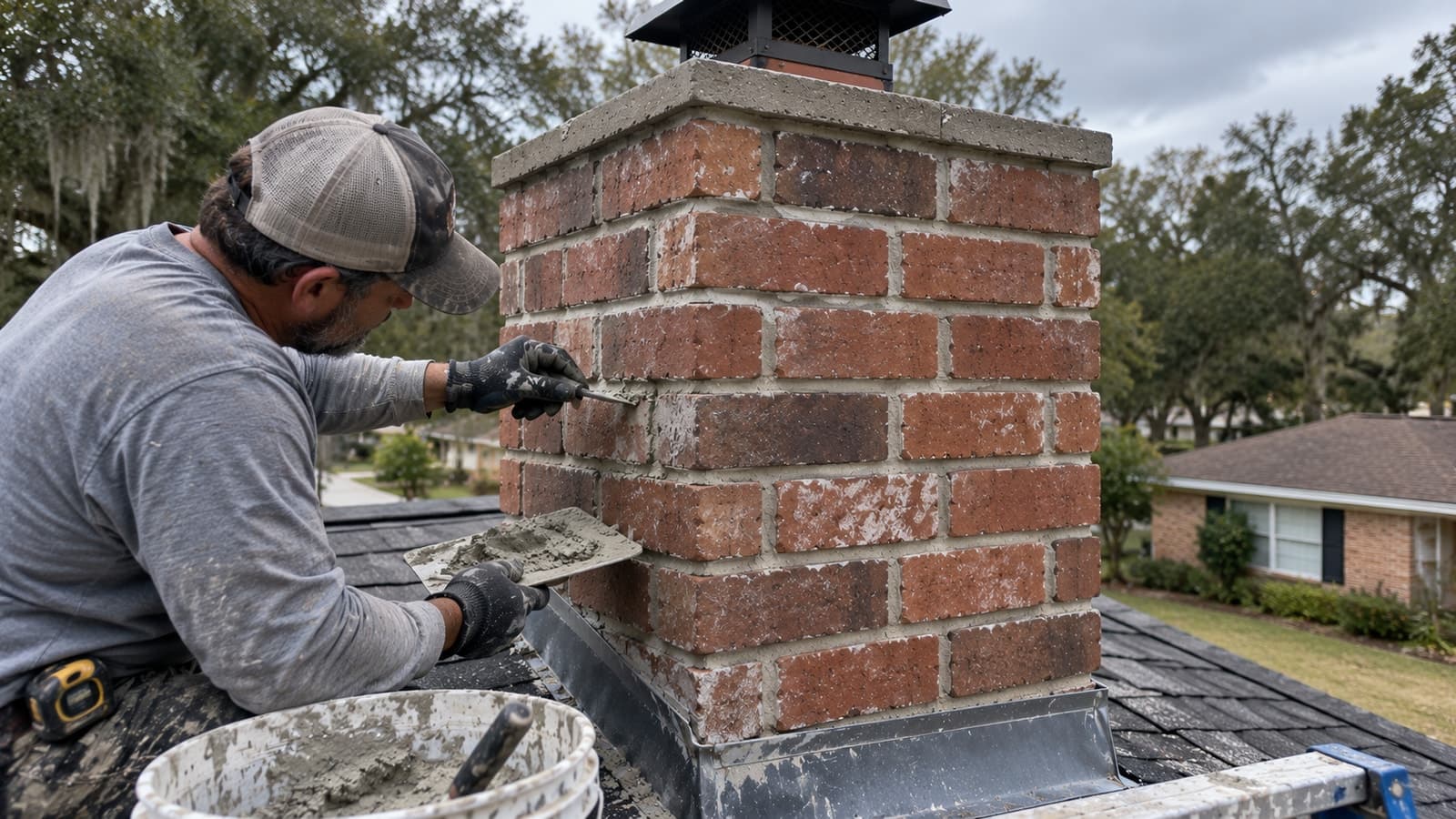
- A masonry chimney is built of brick, block or stone around a clay tile or metal flue liner. Its top is a poured or formed crown (a sloped concrete slab), with a chimney cap set over the flue.
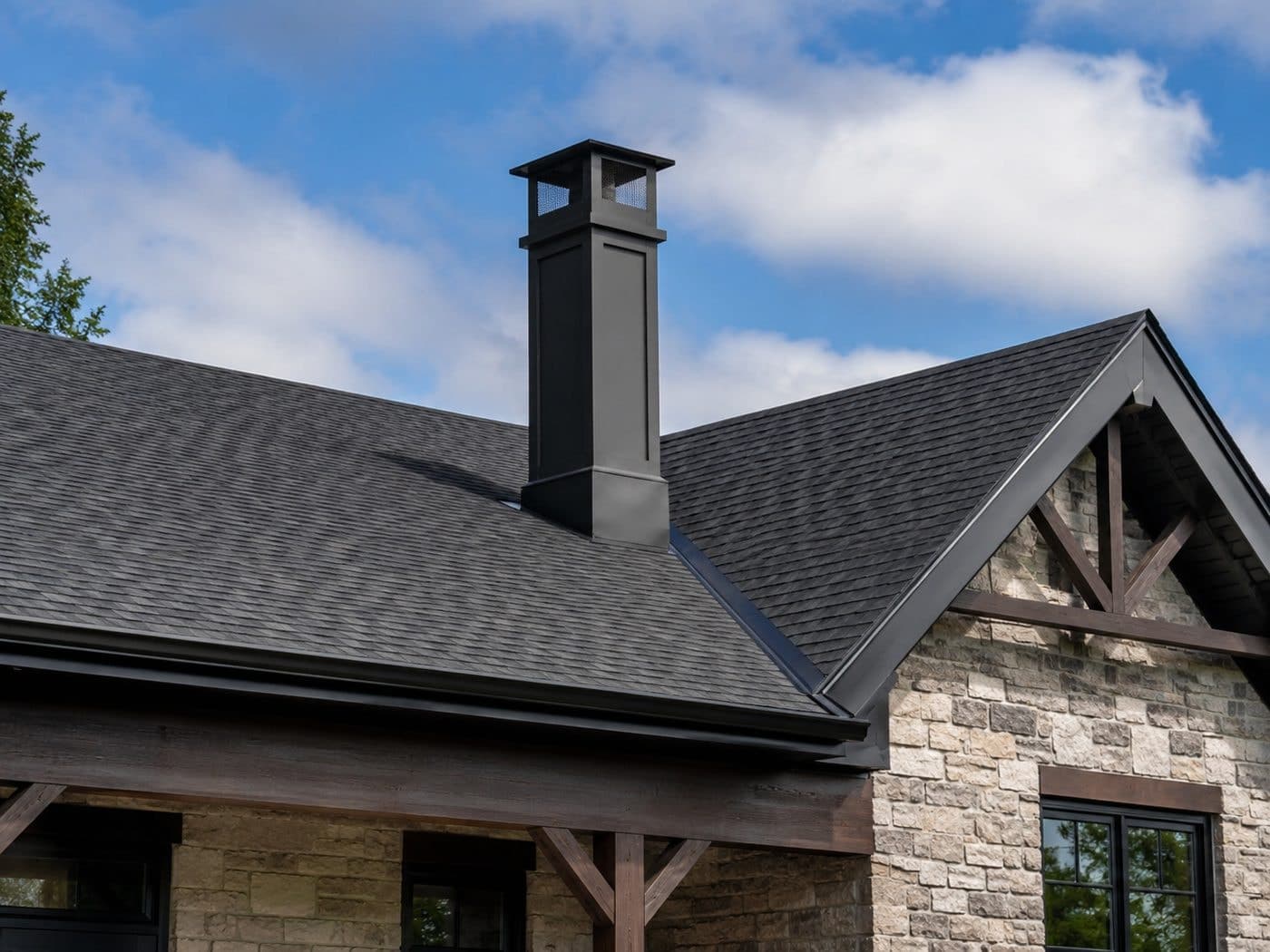
- A factory-built (prefab) chimney is a metal flue pipe that runs from a manufactured firebox up through a framed chase, a wooden box finished in siding or stucco to look like a chimney. Its top is a sheet-metal chase cover, with a termination cap on the flue pipe that pokes through it.
Factory-built fireplaces and framed chimney chases are common in many newer Orlando-area homes. Older neighborhoods have more masonry chimneys. Knowing which one you have is the first step, because the parts, the failure points and the repairs are different.
Side-by-side comparison
| Item | Masonry chimney | Factory-built chimney (framed chase) |
|---|---|---|
| What covers the top of the structure | Crown: sloped concrete or mortar slab over the brick | Chase cover: sheet-metal lid over the framed chase |
| What covers the flue opening | Chimney cap: metal hood with mesh screen, fastened to the flue tile or the crown | Termination cap: manufacturer-specific cap attached to the metal flue pipe |
| Main job | Crown sheds water off the masonry; cap keeps rain, animals and debris out of the flue and stops sparks | Chase cover keeps water out of the wooden chase and framing; termination cap vents the flue and keeps rain and animals out |
| Typical Florida failure | Cracked crown, missing or rusted cap, torn screen | Rusted galvanized cover, flat top holding water, loose fasteners, missing storm collar sealant |
| What happens if it fails | Water into the flue, firebox and brick; nests in the flue | Water into the chase framing and ceiling; rot, rust streaks down the siding |
| Usual fix | Cap replacement; crown repair or rebuild | Custom-fit chase cover, often in stainless steel; correct termination cap |
What a chimney cap protects against
A cap is a small roof over the flue with a mesh screen around its sides. It does three things. It keeps rain from falling straight down the flue into the damper and firebox. It keeps birds, squirrels and other animals out. And the screen acts as a spark arrestor for a wood fire.
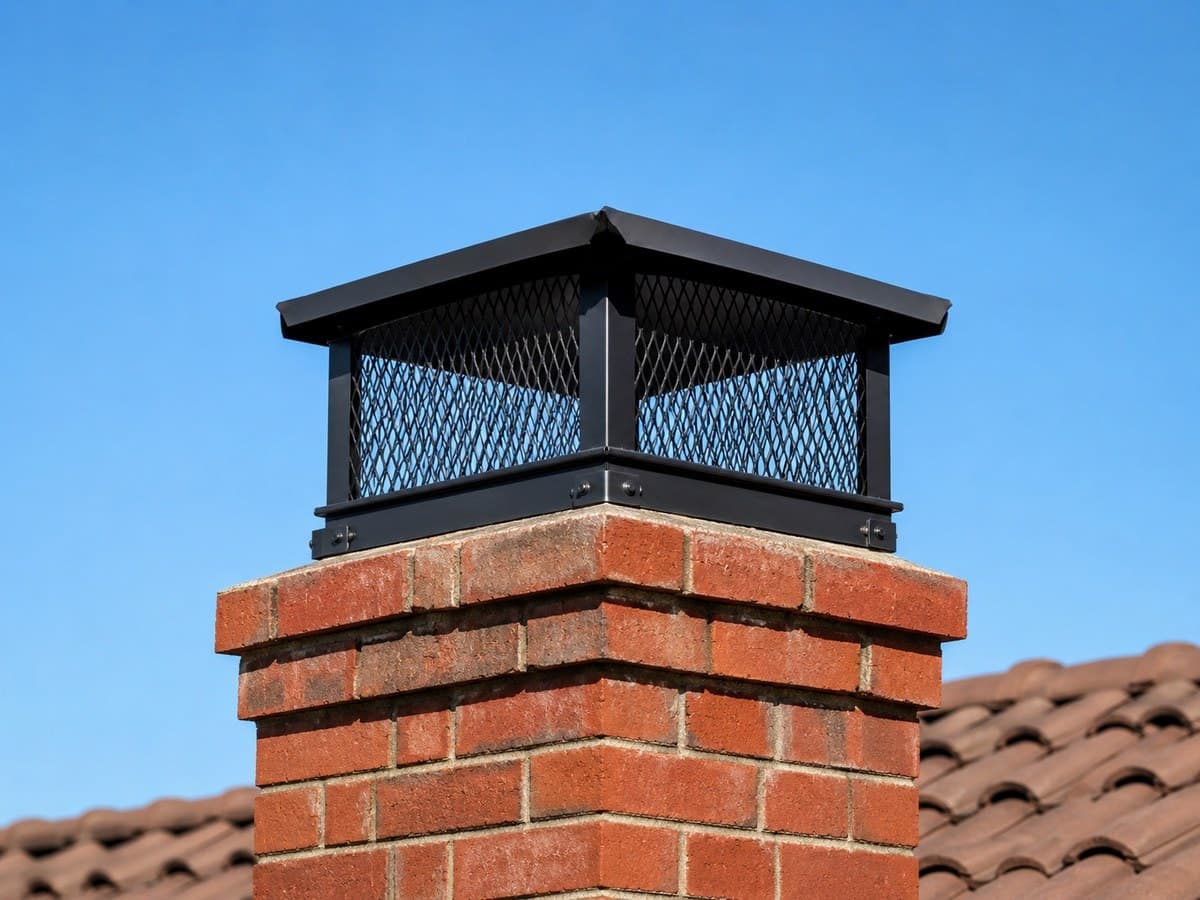
Caps come in single-flue and multi-flue designs, and in galvanized, stainless or copper. In Central Florida’s humidity, bare or painted galvanized steel tends to rust sooner than stainless. When a cap rusts, the screen usually fails first, which is how animals get in. If you need one fitted or replaced, see our page on chimney caps.
What a chase cover protects against
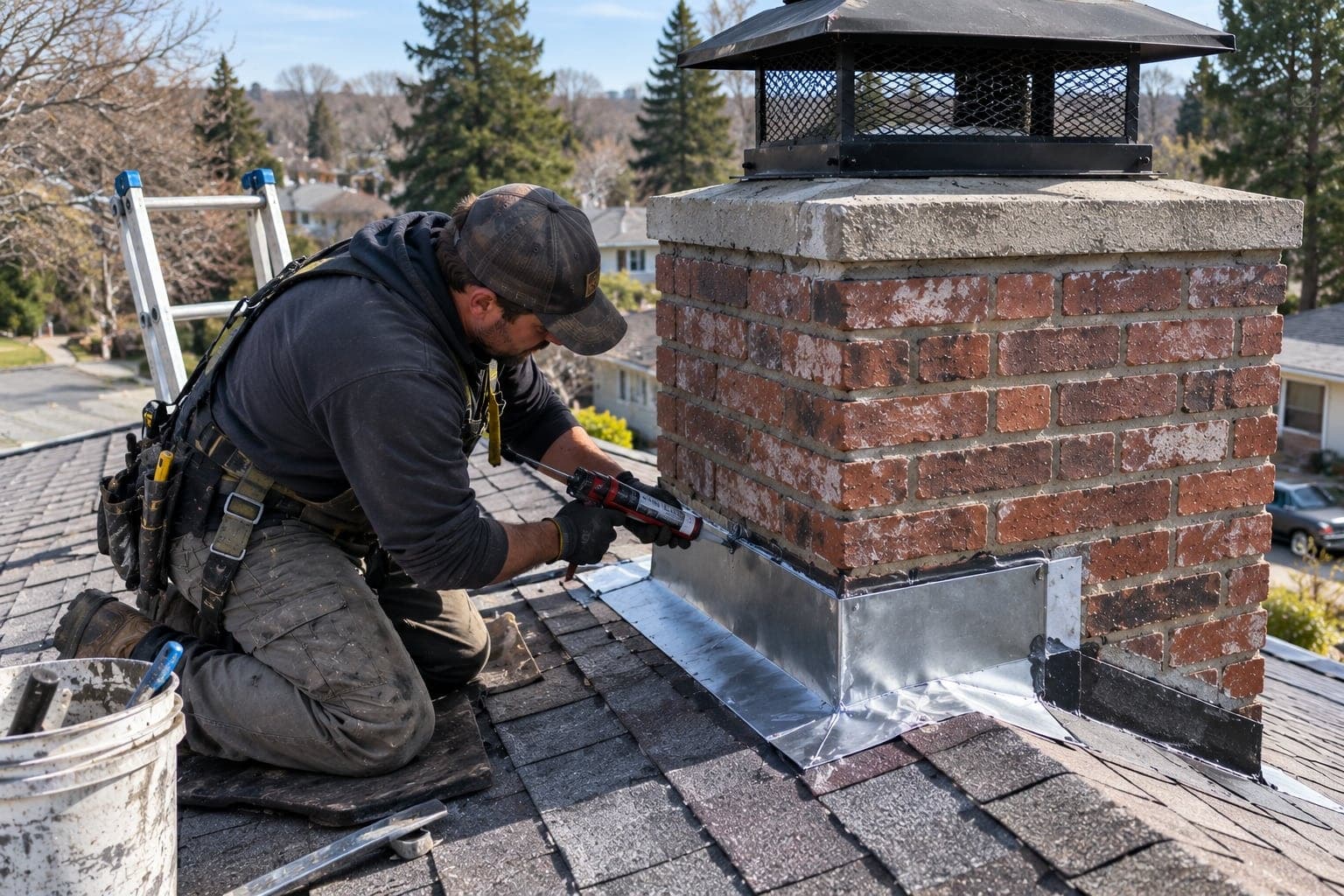
On a factory-built chimney, the chase cover is the only thing keeping rain out of a wooden box that runs from the roof down to the fireplace. The flue pipe passes through a raised collar in the middle of the cover, and a storm collar with sealant closes the gap around the pipe. The cover’s edges fold down over the siding so water drips clear of the chase.
Water intrusion is one of the most important chimney problems for Central Florida homes, and the chase cover is where a lot of it starts. Orlando averages about 51.5 inches of rain a year (CurrentResults, NCEI normals), much of it in heavy summer storms. A cover that is flat or dished holds that water instead of shedding it.
Why chase covers rust
Many original chase covers are thin galvanized steel. Once the zinc coating wears through, standing water and constant humidity do the rest. The signs are easy to spot from the ground or a ladder at the eave:
- Orange or brown streaks running down the chase siding from the top edge
- A cover that sags in the middle, where water pools
- Pinholes or flaking metal around the flue collar
- Water stains on the ceiling or wall near the fireplace, or water in the firebox after rain
The usual fix is chase cover replacement with a cover measured and fabricated to fit the chase, typically in stainless steel, with a slope or cross-break so water runs off, and a drip edge that clears the siding. Cost is driven by the chase size, the metal, fabrication, roof access and whether the framing underneath has already been damaged.
How to tell which one your home has
A quick check you can do without a ladder
Look at the chimney from outside
Brick, block or stone all the way up usually means masonry. Siding, stucco over framing, or a box that matches the house walls usually means a framed chase.
Look at the very top
A concrete slab with a clay tile or cap poking out suggests masonry. A flat metal lid with a round pipe and cap in the middle is a chase cover.
Look inside the fireplace
Firebrick with mortar joints and a cast-iron damper suggests masonry. Molded refractory panels, a metal firebox and a label plate with a model number point to a factory-built unit.
Check the house’s age and plans
Factory-built units are common in many newer homes, but some older homes have them too, and some newer ones are masonry. The label plate or the original plans are the most reliable answer.
If your home has a factory-built fireplace, the chase cover is only one part of the system. Rusted termination caps, damaged flue sections and cracked firebox panels are covered under prefab chimney repair. Parts on a listed factory-built system should match what the manufacturer allows.
Can you have both?
Yes. Every factory-built chimney needs both a chase cover and a termination cap, and the two work together. Some masonry chimneys also have a full-width metal top that covers the crown and flue together. Those are often sold as chimney caps, not chase covers. What matters is that the top of the structure sheds water and the flue opening is covered and screened.
If a cover is already failing, the symptom pages are the next stop: a damaged or missing chimney cap and rust stains on a chase. The chase cover materials guide compares galvanized, stainless and copper, and the crown guide covers the masonry equivalent. Framed chases are common in newer subdivisions; fireplace repair in Windermere describes that kind of housing.
References (3)
Facts and figures on this page come from these references.