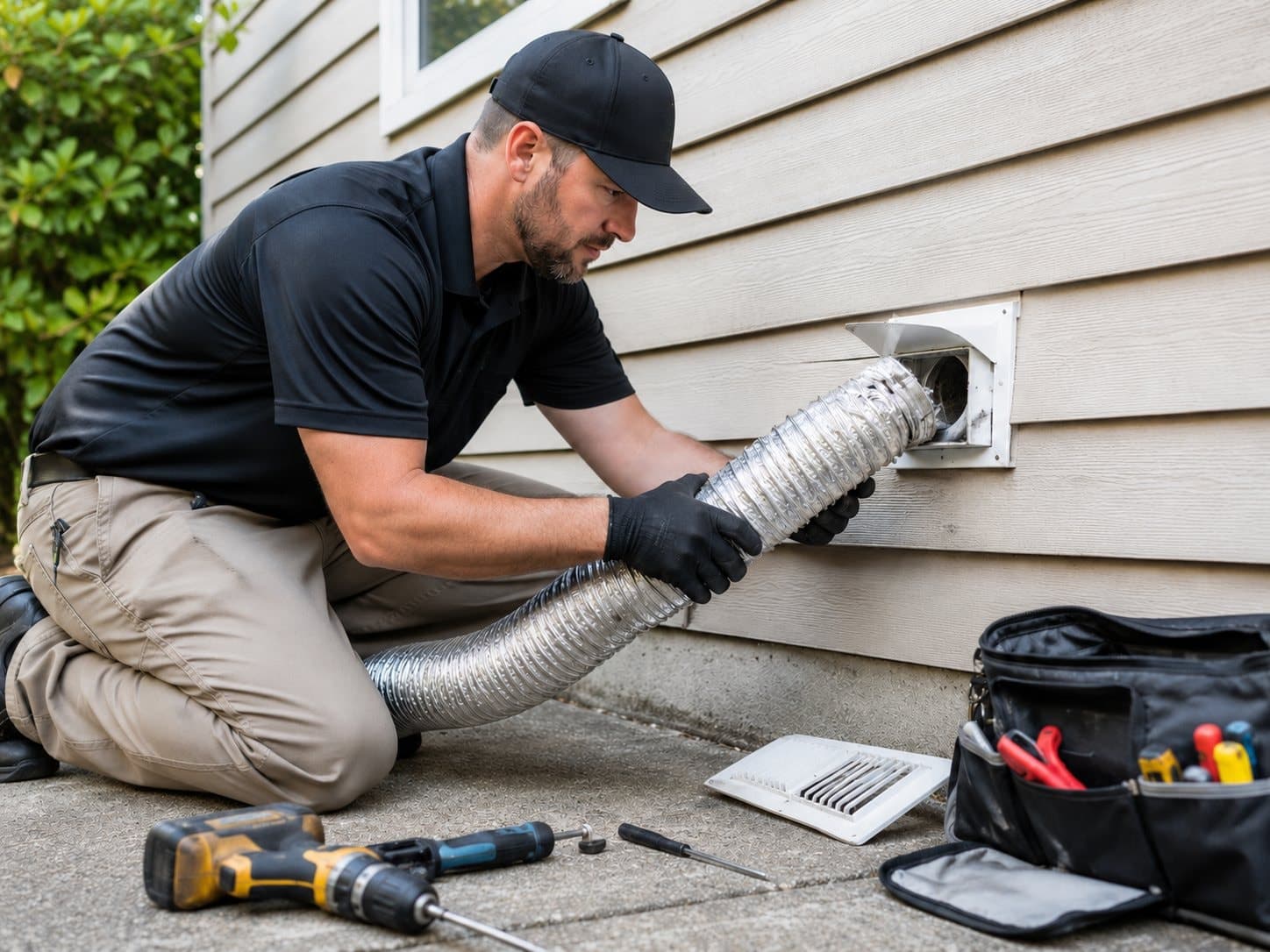
Condensation or rain? Check the timing
| Feature | Condensation from the exhaust | Rain getting in from outside |
|---|---|---|
| When it shows up | During or after drying loads, including dry weather | After storms, especially wind-driven rain, even when the dryer hasn’t run |
| Where you see it | Drips at the dryer connection, water at a sag in the attic duct | Stain on the ceiling around the roof penetration, water at the hood, wet wall below a sidewall vent |
| What the lint looks like | Damp, matted paste along the duct and at low points | Mostly dry lint, with water or rust near the cap end |
| Usual fix | Shorter, sloped, supported run; sealed joints; insulation where the dryer maker calls for it | Cap, damper or hood replaced; flashing at the roof penetration corrected |
When it shows up
- Condensation from the exhaust
- During or after drying loads, including dry weather
- Rain getting in from outside
- After storms, especially wind-driven rain, even when the dryer hasn’t run
Where you see it
- Condensation from the exhaust
- Drips at the dryer connection, water at a sag in the attic duct
- Rain getting in from outside
- Stain on the ceiling around the roof penetration, water at the hood, wet wall below a sidewall vent
What the lint looks like
- Condensation from the exhaust
- Damp, matted paste along the duct and at low points
- Rain getting in from outside
- Mostly dry lint, with water or rust near the cap end
Usual fix
- Condensation from the exhaust
- Shorter, sloped, supported run; sealed joints; insulation where the dryer maker calls for it
- Rain getting in from outside
- Cap, damper or hood replaced; flashing at the roof penetration corrected
Both can happen in the same vent, so if the pattern is mixed, assume both until one is ruled out.
Why a dryer duct collects condensation
A dryer’s whole job is to move water out of the house as vapor. The U.S. Fire Administration points out that a full load of wet clothes can hold as much as one and a half gallons of water, and that in vents that are too long or have many bends, moisture condenses on the duct walls and attracts lint. Water forms wherever the duct wall is cooler than the exhaust’s dew point, and it collects wherever the duct dips.
Where the duct runs through an unconditioned attic, the picture is less simple than it sounds. On a summer afternoon a Central Florida attic gets very hot, which keeps the duct warm and works against condensation. The more likely trouble spots are the cooler hours and cooler months, sections that pass through air-conditioned ceiling space, and joints where damp attic air can leak in. We haven’t found research that measures how much Florida’s humid air adds to the problem, so treat it as a possible factor rather than the cause. Length, dips and leaky joints are the things you can actually fix.
Possible causes, most likely first
Where the water in a dryer vent comes from
01Condensation in a long run through the attic
- What you may notice
- Water or rust at joints, damp lint along the run, drips at the dryer connection after big loads.
- How it’s confirmed
- The run is traced for length, bends and where it crosses unconditioned space, and the joints are checked for gaps and missing seals.
02Sags and low spots
- What you may notice
- Water or a wet lint plug at one place in the attic; duct lying on insulation or hanging between loose straps.
- How it’s confirmed
- The duct is checked for dips. Florida’s code requires support at intervals of no more than 12 feet; resupporting it so water runs out rather than pooling is part of the repair.
03Roof cap letting rain in
- What you may notice
- Water in the duct or at the dryer after storms; a cap with a broken or missing damper, cracked housing or lifted base.
- How it’s confirmed
- The cap is checked from the roof for damage, a working damper and a secure base, and the duct just below it for water marks.
04Poor flashing at the roof penetration
- What you may notice
- A ceiling stain around where the duct goes up, growing after heavy rain; wet decking or rust on the duct right under the roof.
- How it’s confirmed
- Sealant and flashing around the roof jack are inspected. Minor sealant work at the cap is straightforward; flashing that has to be rebuilt into the roofing is a job for a roofer.
05Wind-driven rain through a wall hood
- What you may notice
- Water at the hood or on the wall below it after sideways rain; a flap that hangs open, is cracked or has lost its hinge; gaps around the hood.
- How it’s confirmed
- The hood is checked for a damper that closes by itself and for a sealed joint with the siding or stucco.
06A run that’s simply too long
- What you may notice
- Condensation keeps returning after repairs; the vent crosses most of the attic to reach the roof.
- How it’s confirmed
- The equivalent length is worked out against the code limit of 35 feet, reduced for each fitting. A shorter route to a closer wall often cures condensation and clogging together.
Dryer vent system, from dryer to termination
- 1Lint screen. Catches most lint inside the dryer. What gets past it collects in the duct.
- 2Transition duct. Short connector from the dryer to the wall. Easily crushed behind the machine.
- 3Duct run. Smooth 4-inch metal duct through walls, floors or the attic.
- 4Elbows. Every bend adds resistance and counts against the allowed duct length.
- 5Roof cap. Roof termination, common on two-story homes. Hard to see and to clean.
- 6Wall hood. Side-wall termination. Must open freely and has no screen.
- 7Backdraft damper. Flap that opens under airflow and closes to keep out air, rain and pests.
Soaked lint, mold and ceiling stains
Water and lint make a heavy paste that sticks to the duct walls, narrows the passage and doesn’t blow out the way dry lint does, so a wet vent often clogs quickly too. Over time it can turn musty or grow mold, and a steady drip at a joint can stain or soften the drywall below. The USFA notes that exhaust escaping into an attic or wall can lead to mold and poor indoor air.
A stain on the ceiling under the duct isn’t always the dryer vent. An air-conditioning condensate line or a general roof leak can leave the same mark. What points to the vent is a stain that lines up with the duct’s route or the roof cap, and that changes with laundry days or with storms.
Safe checks you can do
Keep a short log
Note the date each time you see water, and whether you’d run the dryer or it had rained. A week or two of notes usually settles condensation versus rain.
Look at the connection behind the dryer
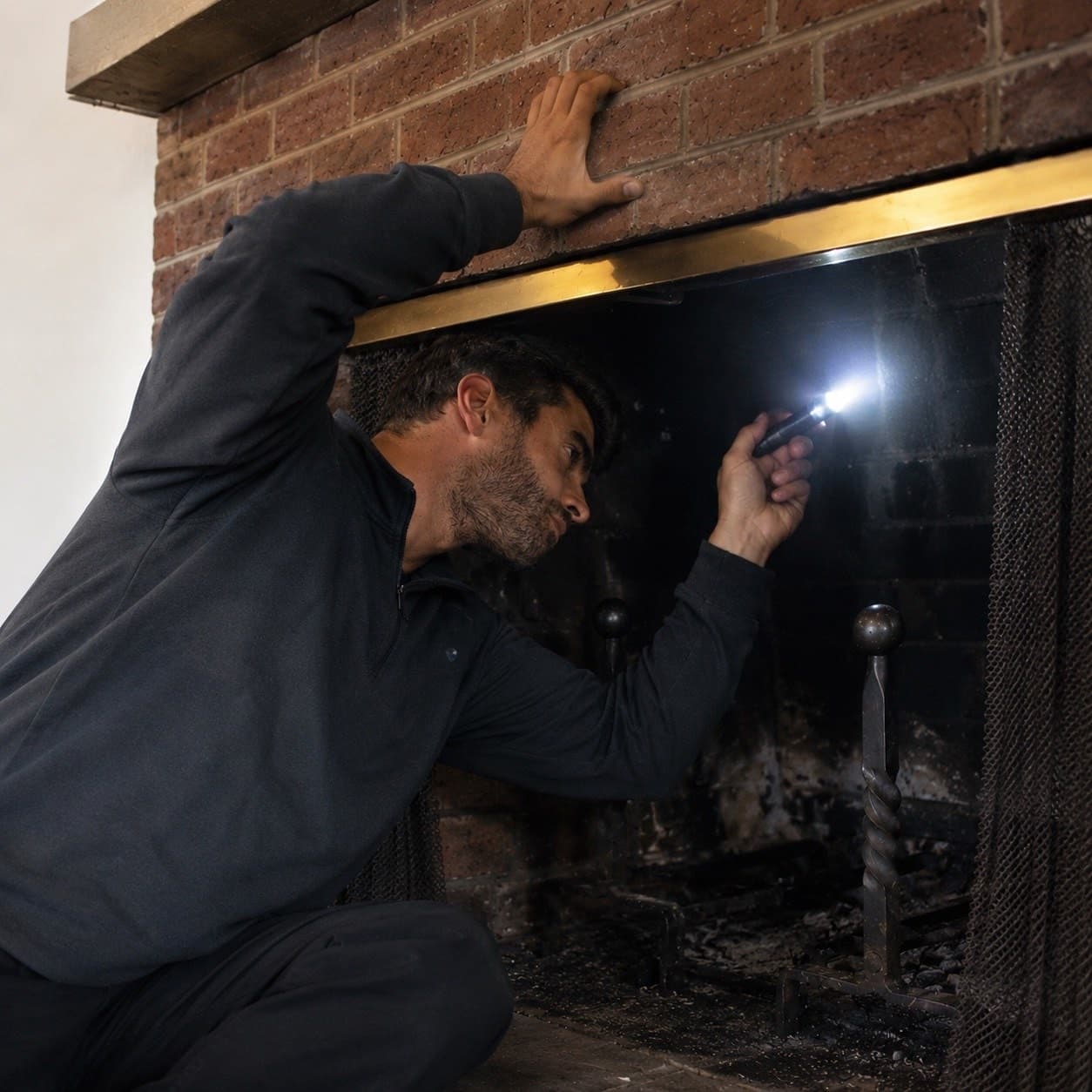
With the dryer off, check the hose and the wall connection with a flashlight for drips, rust or wet lint. On a gas dryer, look only; don’t move it.
Check the wall hood after rain
If the vent exits a wall, look at the flap after a storm. It should be closed flat. Water streaks below the hood or a flap hanging open point to rain entry.
Look from the attic hatch
Without walking across unfloored joists, look along the duct for dips, rust, water marks and damp insulation beneath it.
Look at a roof cap from the ground
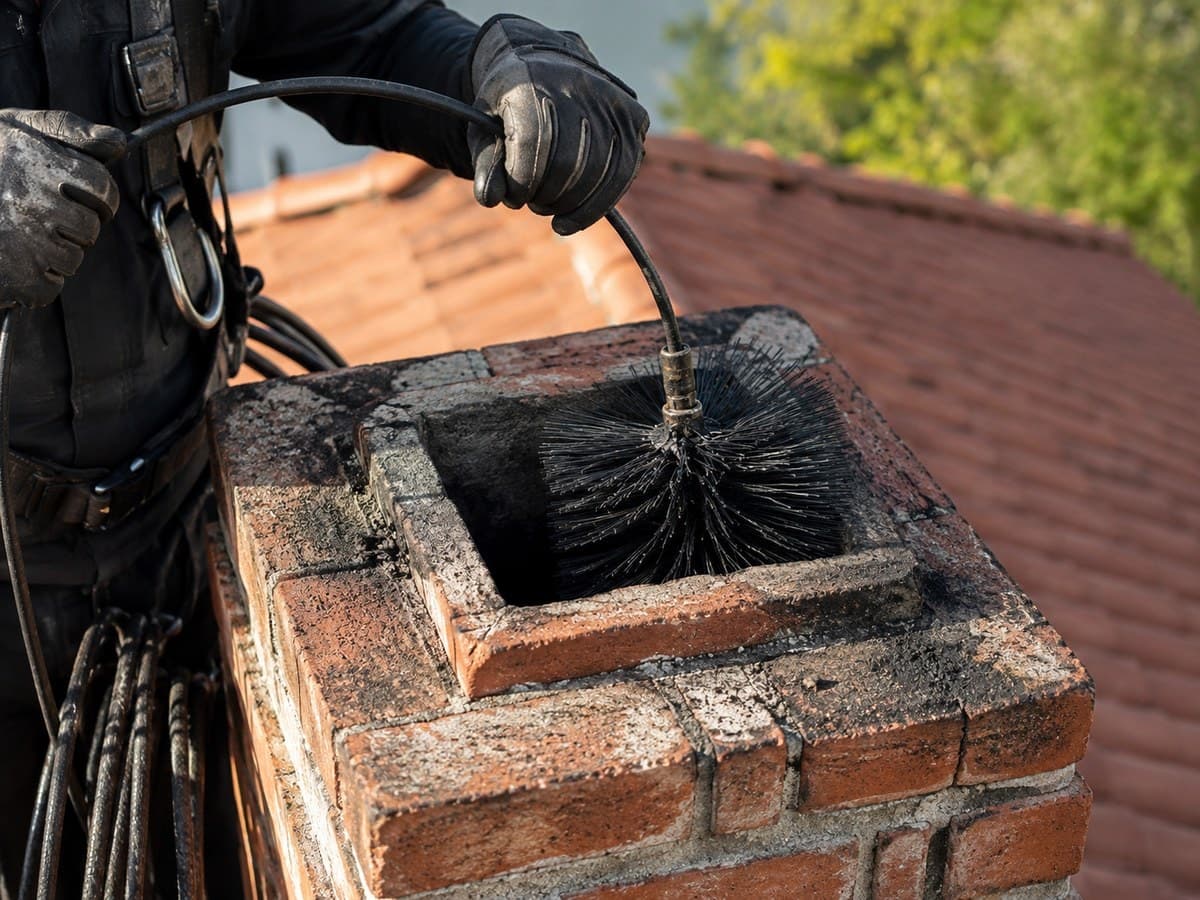
Check for a cap that looks tilted, cracked or missing its flap. Leave any roof work to a professional.
Don’t seal the vent shut
Taping over the hood, stuffing the cap or closing the flap with caulk stops rain but also stops the exhaust, which pushes heat, lint and moisture back indoors. Screens aren’t the answer either; Florida’s code prohibits them at dryer terminations. The fix is a cap with a working backdraft damper.
Red flags
- Water near the dryer outlet or any electrical fixture: switch off that circuit at the panel before touching anything.
- A ceiling that sags, bulges or feels soft: keep people out from under it and get it looked at soon.
- Visible mold on the ceiling or around the laundry, or a strong musty smell.
- Wet lint combined with a burning smell or very long drying times: the vent is badly restricted. See how to read a burning smell from the dryer.
- Very little air at the outside vent, which can mean the duct has separated where it’s wet. Our guide to weak or no airflow at the dryer vent covers that.
What a professional diagnosis involves
Go through the pattern
When the water appears, where, and whether it follows laundry or weather. That usually points to condensation or rain before anything is opened.
Trace the run
The duct is followed from the dryer to the termination, noting length, bends, supports, joints and where it crosses unconditioned space.
Inspect the termination
A roof cap is checked from the roof, including its damper, base and the sealant and flashing around it; a wall hood is checked for its damper and its seal to the wall.
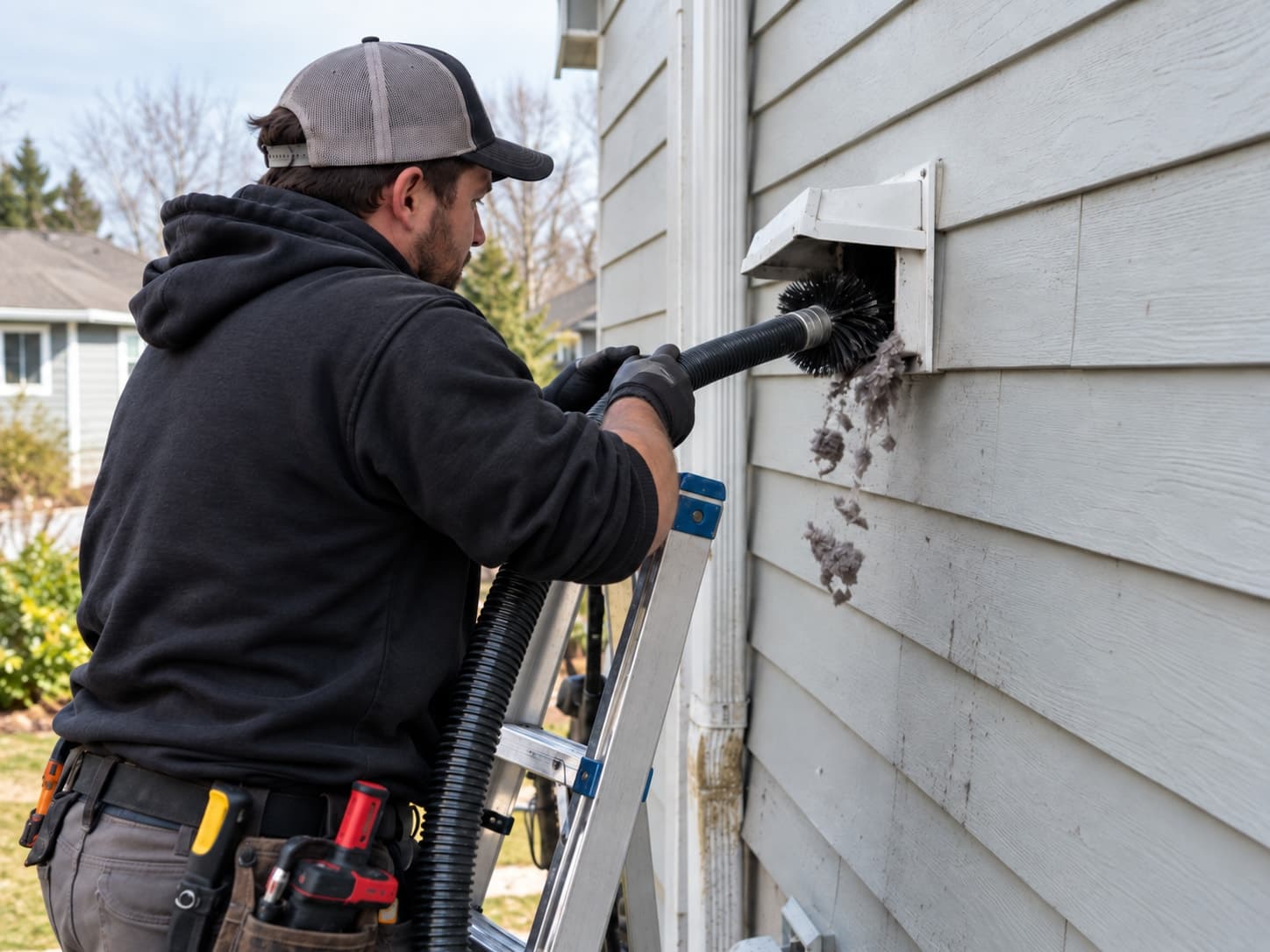
Clean out the wet lint
Pasty lint is cleared so the inside of the duct can be seen and airflow read.
Fix the cause
Sags are resupported, damaged sections replaced with smooth metal duct and joints sealed without screws. A leaking cap or hood is replaced. Where the run is the root problem, a shorter route is planned.
Most of these fixes fall under repairing or replacing the dryer duct. Roof terminations are covered by roof-mounted dryer vent service, a hood whose damper no longer closes by swapping the exterior vent cover, and a run that crosses the whole attic by moving the vent to a shorter route.
Stopping the water
| Source | Where it’s fixed |
|---|---|
| Condensation in a long, cold or sagging run | duct repair, with the run sloped and sealed |
| Rain getting in at the roof cap | roof vent cleaning and a proper cap |
| Flap that won’t close | a new vent hood |
| Run too long to stay dry | rerouting |
Wet lint sticks and clogs faster, so the duct usually needs cleaning as well; see why some vents refill quickly. Florida’s dryer vent rules cover slope and joints. Local: vent cleaning for Apopka homes covers attic and roof runs.
References (2)
Facts and figures on this page come from these references.