The short answer
A Florida 4-point inspection is a limited report that insurers commonly ask for on older homes. As the name says, it covers four systems: the roof, the electrical system, the plumbing and the HVAC. Both Slide Insurance and Central Florida Building Inspectors describe it that way, and neither lists the chimney or fireplace among the items it covers.
So if you have a fireplace and you just received a 4-point report, don’t read it as a sign-off on the chimney. The inspector wasn’t asked to look down the flue, check the firebox, open the damper or evaluate the cap. That work simply isn’t part of the form.
What a 4-point inspection actually looks at
The purpose of a 4-point report is to give an insurer a quick picture of the systems that most often lead to claims. It is not a full home inspection, and it isn’t a safety inspection of any appliance. Roughly, the four sections cover:
| System | What the report generally records |
|---|---|
| Roof | Age, covering type, visible damage, signs of leaks or past repairs, estimated remaining life |
| Electrical | Panel type and condition, wiring type, visible hazards |
| Plumbing | Supply and drain piping materials, water heater, visible leaks |
| HVAC | Age and general condition of the heating and cooling equipment |
Exact forms and requirements vary by insurer, so the insurer’s own form is what defines the scope in your case. Notice what isn’t on the list: fireplaces, chimneys, flues, gas logs, dryer vents and many other components of the house.
Where the chimney and the roof overlap
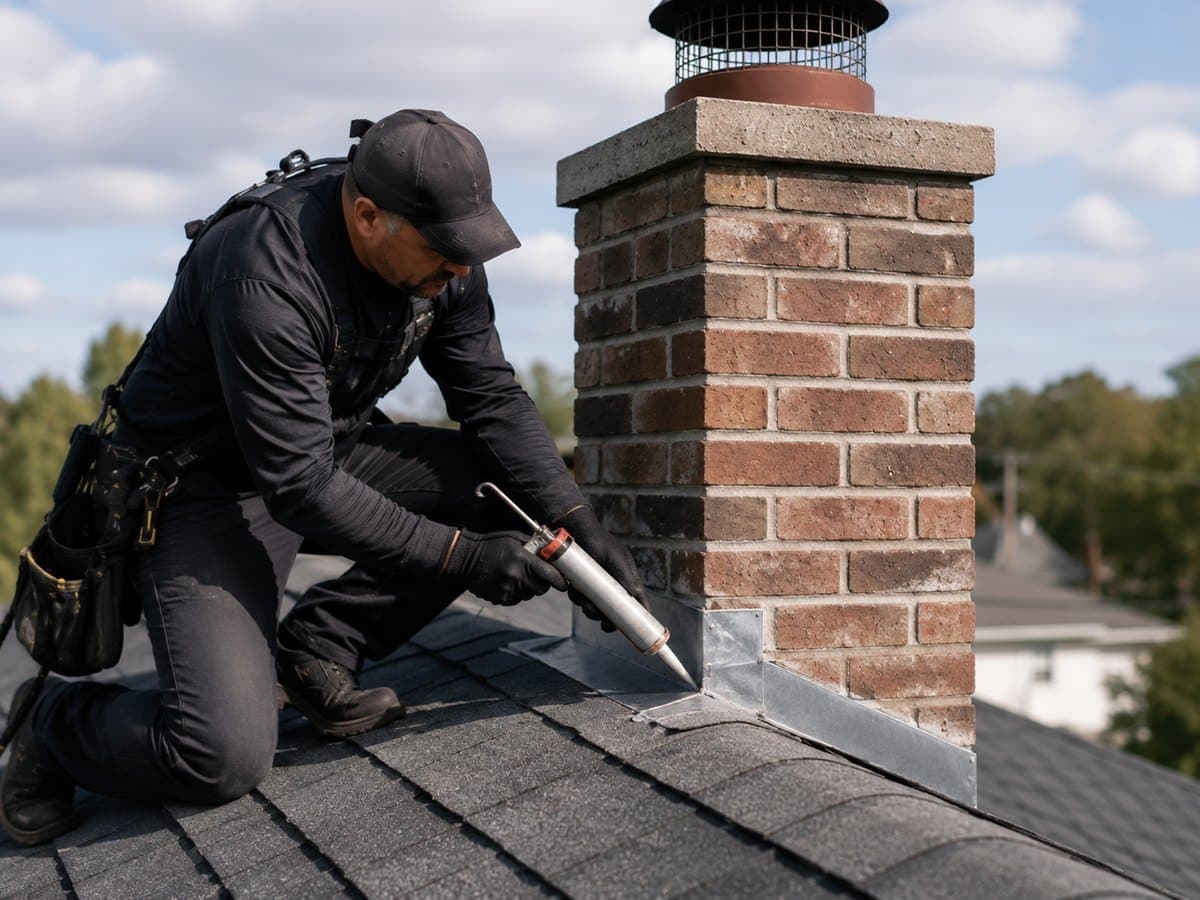
There is one place where the two subjects touch. A chimney passes through the roof, and the joint between them is part of the roof’s weatherproofing. On a masonry chimney that joint is sealed with step and counter flashing. On a factory-built fireplace the chimney usually runs up inside a framed chase, and the top of that chase is closed by a metal chase cover that sheds water off the top of the box.
Because the roof section asks about visible damage and signs of leaks, an inspector looking at the roof may note things around the chimney, such as stained ceilings near the fireplace, failed sealant or obvious rust. Whether that is recorded, and how it is judged, depends on the inspector and the form. It is not an evaluation of the chimney itself, and a report that says nothing about the chimney is not evidence that the flashing or chase cover is sound.
Ask your insurer, not the internet
Whether an insurer cares about a fireplace, a rusted chase cover or a chimney leak, and what it will or won’t cover, is set by your policy and your carrier. A chimney inspection can describe the condition of a chimney; it can’t tell you how an insurer will treat it. Ask your agent or carrier directly.
In Central Florida this interface deserves attention. Water intrusion is one of the most important chimney problems for homes here: Orlando averages about 51.5 inches of rain a year (CurrentResults, NCEI normals), most of it in the June–September wet season (NWS Melbourne). A galvanized chase cover that has started to rust, or flashing that has pulled away, can let water into the framing for a long time before a ceiling stain appears.
What this means if your home has a fireplace
Think of the 4-point report and a chimney inspection as two different documents that answer two different questions. The 4-point answers an insurer’s question about four systems. A chimney inspection answers yours: is this fireplace and chimney safe to use, and is it keeping water out?
- The flue interior isn’t viewed. Cracked flue tiles, a damaged metal liner, debris, nests or creosote won’t show up on a 4-point.
- The firebox and damper aren’t checked. Missing refractory panels in a factory-built unit or a rusted-shut damper are outside its scope.
- The top of the chimney isn’t evaluated as a chimney component. A missing cap, a torn spark screen or a crown with open cracks may go unmentioned.
- Gas appliances in the fireplace aren’t tested. Gas logs, inserts and their venting are separate from the HVAC section.
None of that is a criticism of 4-point inspectors. They are doing the job the form asks for. It just means the chimney needs its own look if you want to know its condition.
When a chimney inspection makes sense
NFPA 211, the national standard for chimneys, fireplaces and vents, calls for them to be inspected at least once a year and cleaned or repaired when needed (Chimneys.com summary of NFPA 211). Beyond that routine check, a few situations are worth a dedicated inspection:
Good times to have the chimney inspected
- You are buying a home with a fireplace (ideally within the inspection contingency period)
- You are about to use a fireplace that has sat unused for a year or more
- A 4-point or roof report mentions staining, rust or sealant problems near the chimney
- After a hurricane or strong storm, especially if a cap or chase cover looks shifted
- You notice rust streaks on the chase siding, water in the firebox or a musty smell
- You plan to change fuel, add gas logs or install an insert
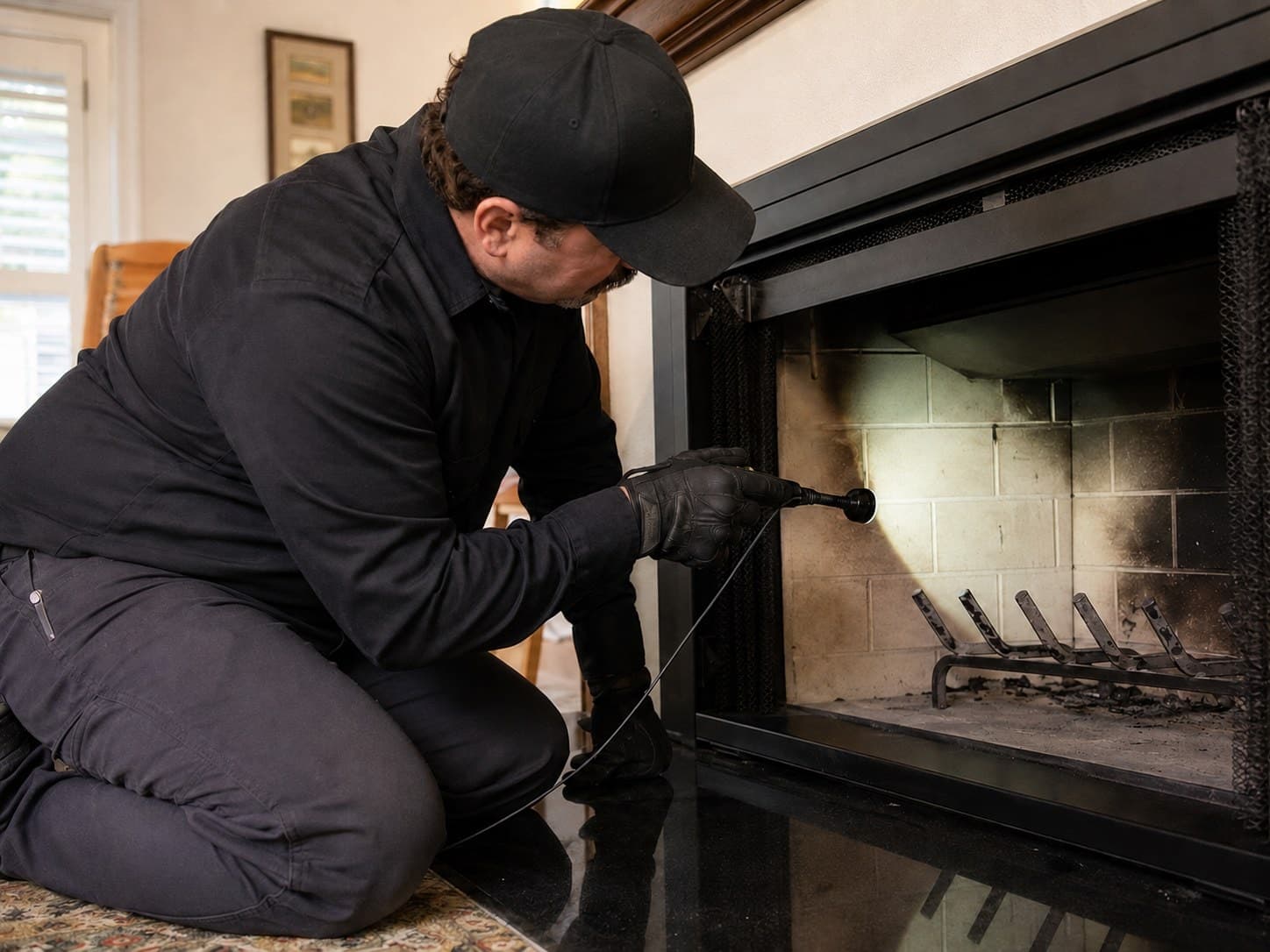
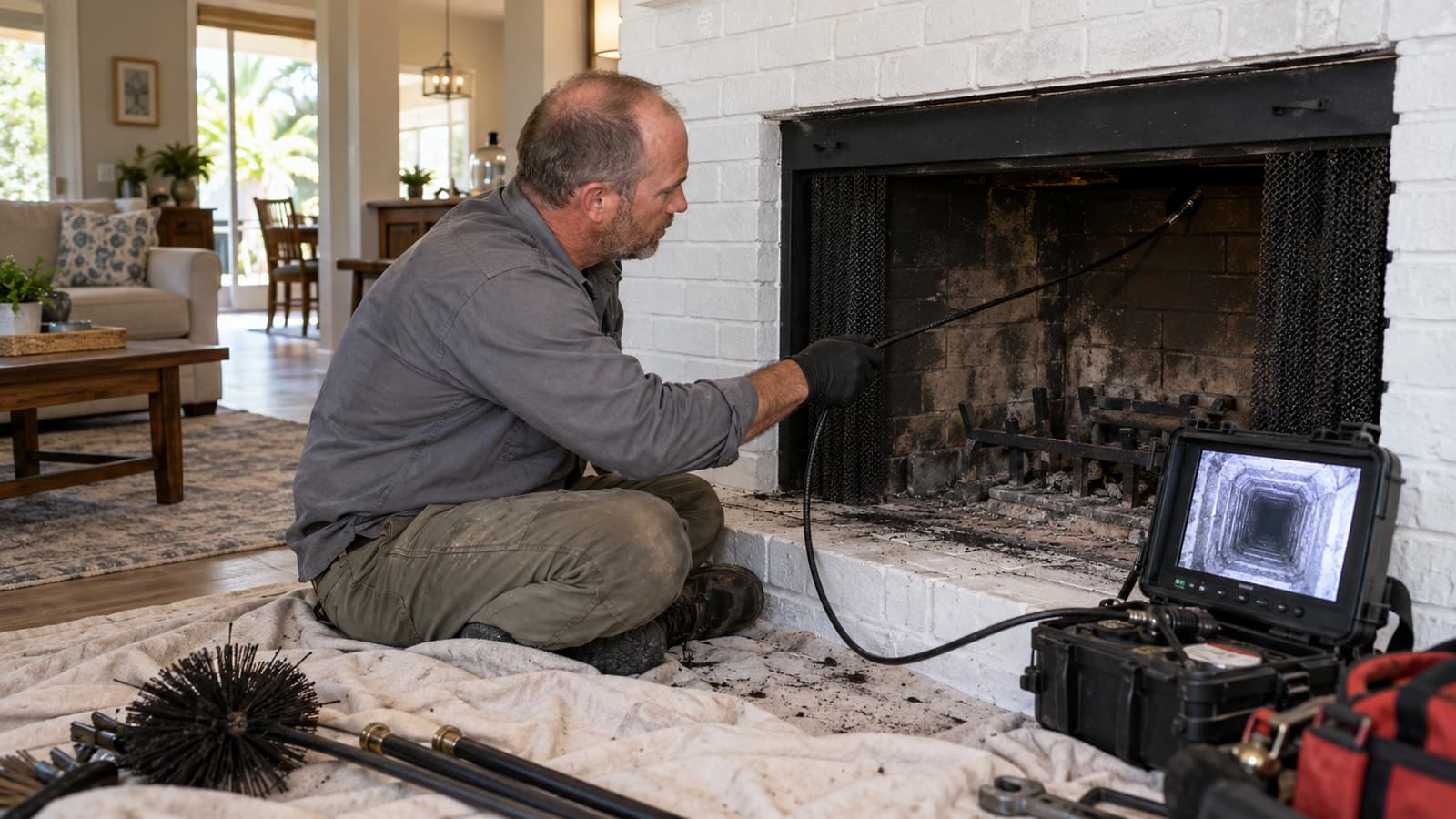
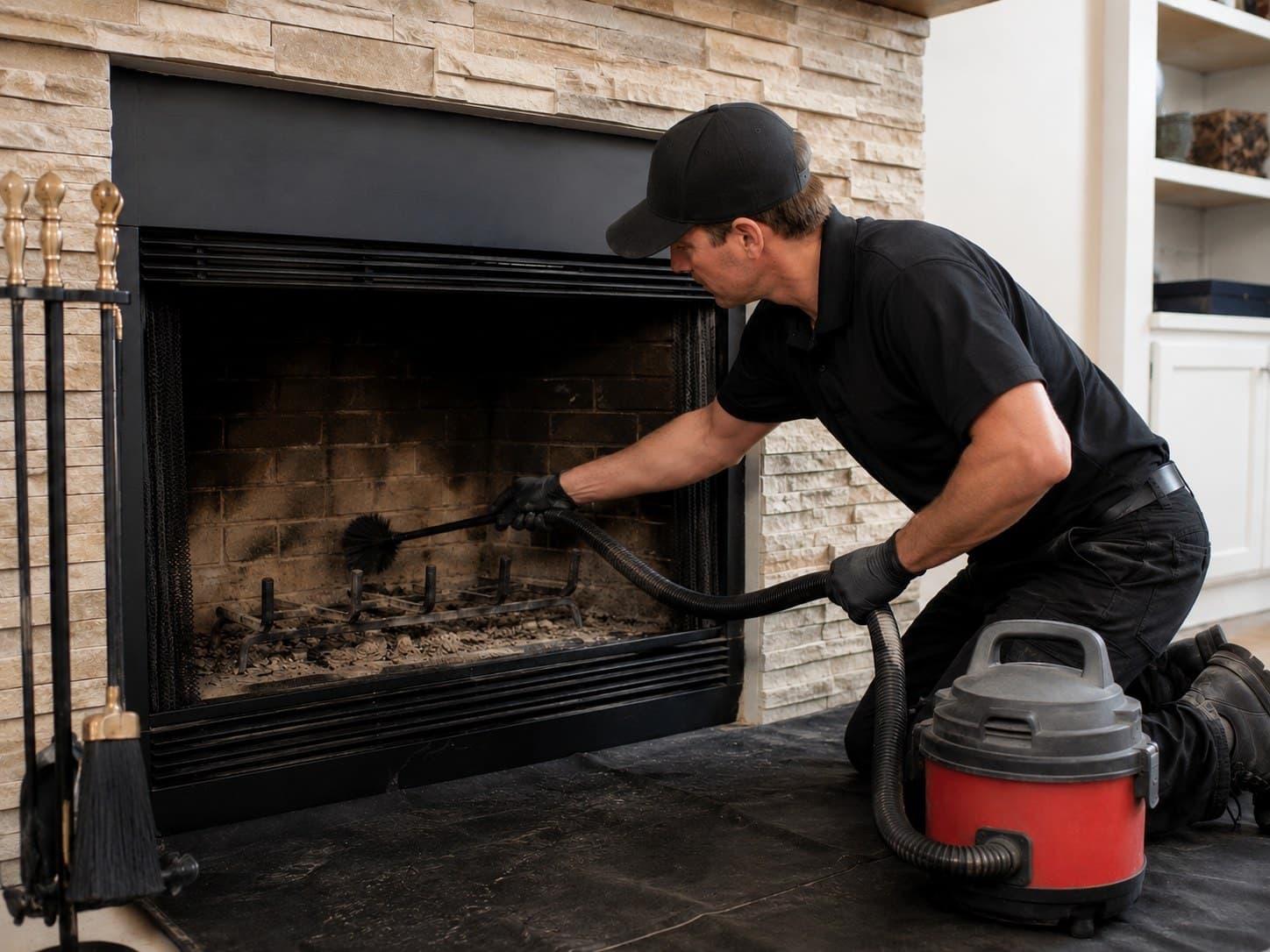
For a purchase, a real-estate chimney inspection is the most useful option, because it is scheduled around your inspection period and focuses on the flue, firebox and roof joint that a general inspection skips. For a home you already own, a standard annual chimney inspection covers the firebox, damper, flue, the top of the chimney and the roof penetration.
What a chimney inspection covers that a 4-point doesn’t
What a chimney inspection typically covers
Firebox and hearth
Masonry joints or refractory panels, the hearth extension, visible clearances and the condition of any glass doors or screens.
Damper and smoke chamber
Whether the damper opens, closes and seals, and whether the smoke chamber has cracks or heavy deposits.
Flue
Liner condition, joints, deposits and obstructions. On a purchase or after a storm, industry guidance calls for a closer, full-length look; see Level 1 vs Level 2 inspections.
Top of the chimney
The cap and screen, the masonry crown or the chase cover, and whether water sits on or drains off the top.
Roof interface
Flashing, sealant and the chase siding, plus any interior staining near the chimney.
The findings are explained before anything else happens. If something needs attention, such as a rusted top on a factory-built chimney that calls for a new chase cover, it is explained first so you can decide what to do and share the findings with anyone who needs them.
If an insurer asks about the fireplace
Some homeowners are asked about fireplaces or wood-burning appliances on an application or at renewal. If that happens, ask the carrier exactly what documentation it wants, from whom, and what it needs to see. Don’t assume a 4-point report satisfies the request, and don’t assume it doesn’t. The carrier decides. A written chimney inspection report with photos is often the kind of document people are asked for, but only your insurer can confirm that for your policy.
If the report or a ceiling stain has already raised a question, water stains around a chimney explains how to read the mark, and rust streaks on a chimney chase covers the most common factory-built warning sign. For a home you are buying in an older neighborhood, local pages such as chimney inspections around Winter Park describe the housing stock the inspection is likely to meet.
References (5)
Facts and figures on this page come from these references.