What Florida’s standards ask of a home inspector
Licensed home inspectors in Florida work to Standards of Practice in Chapter 61-30 of the Florida Administrative Code. Rule 61-30.808 covers fireplaces and solid fuel burning appliances (flrules.org). As summarized by Central Florida Building Inspectors, inspectors look at the visible, readily accessible fireplace components, but they are not required to inspect the interiors of flues or chimneys that aren’t readily accessible, and not required to determine draft characteristics. They also don’t have to light gas fireplaces, move inserts or firebox contents, or start a fire.
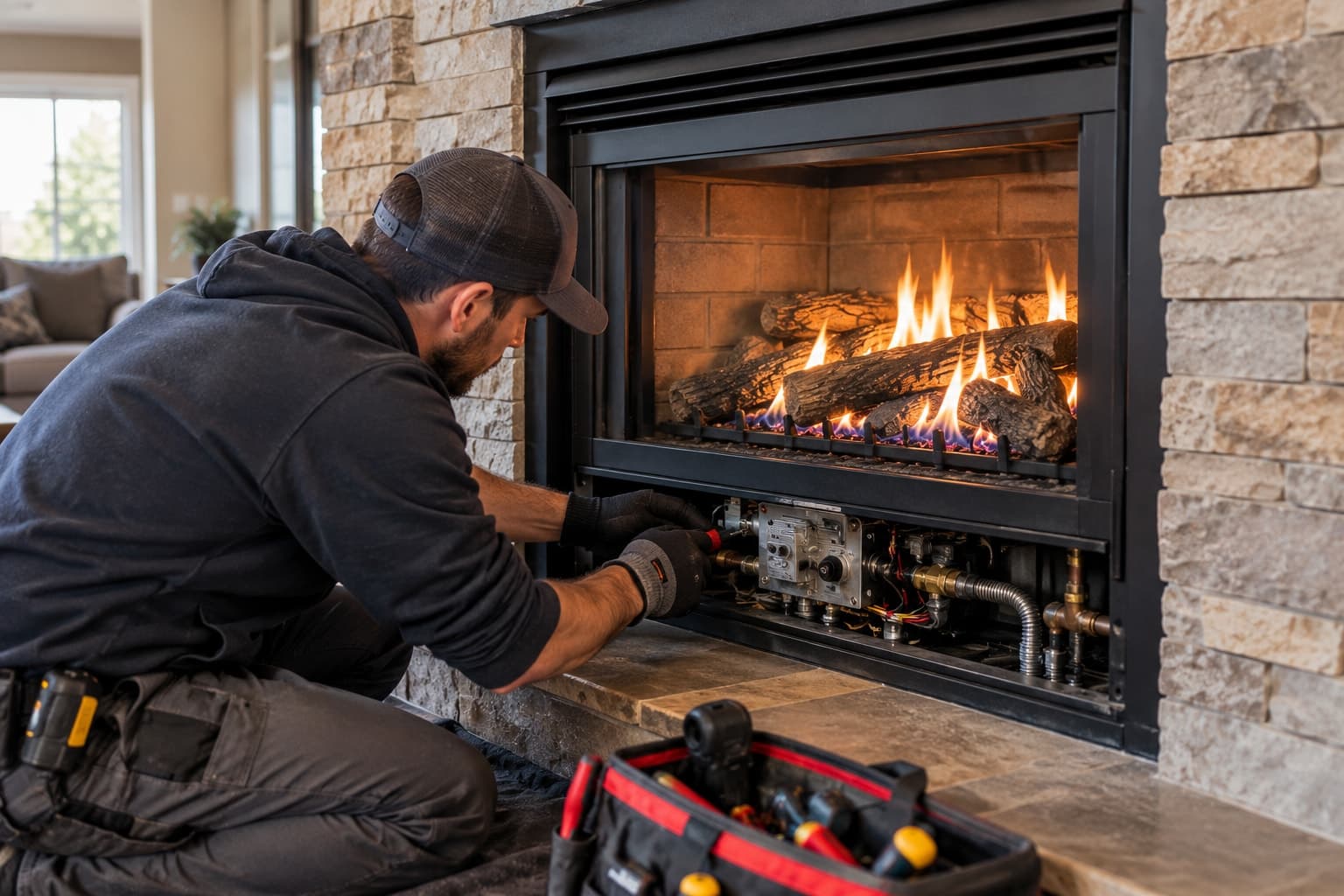
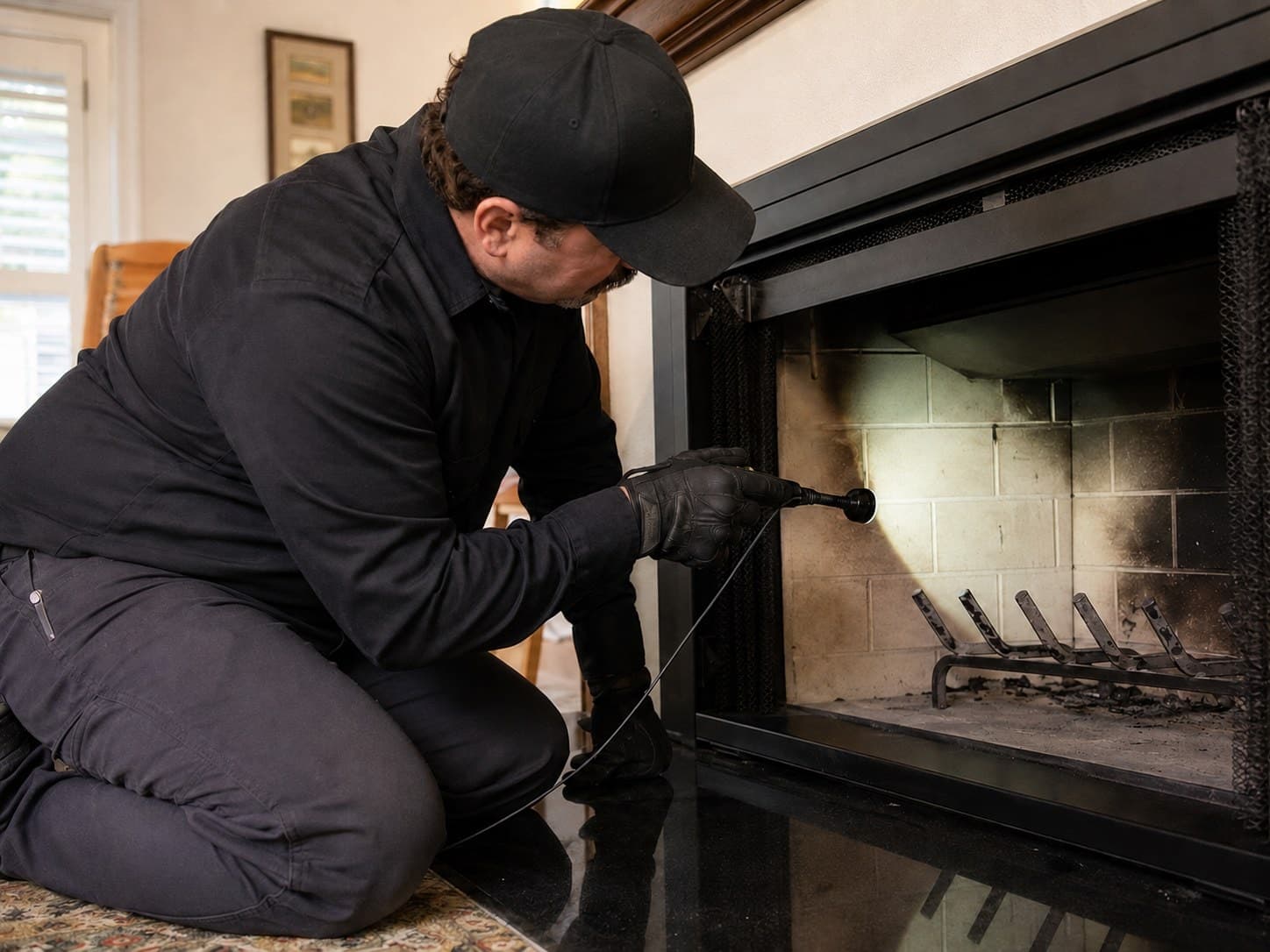
That’s a reasonable limit for a general inspection. Seeing the interior of a flue properly takes a full-length look from the top of the chimney or a video scan, and most general inspections aren’t set up for either. The result, though, is that a report can describe a fireplace as “visually inspected” while the flue itself was never seen.
What that can leave out
A general inspection may catch obvious problems at the firebox, the hearth or the roof. The ones that live inside the flue are the ones most likely to be missed:
Conditions that are hard to see without a flue inspection
01Cracked or displaced flue tiles (masonry)
- What you may notice
- Usually no visible sign from the firebox. Sometimes pieces of tile on the smoke shelf.
- How it’s confirmed
- A full-length look at the flue; CSIA’s Level 2 procedure does this with a video scan.
02Damaged or separated metal flue sections (factory-built)
- What you may notice
- Rust flakes in the firebox, a gap visible above the damper, rust at the top.
- How it’s confirmed
- A look at each joint from above or along the flue, plus a check of the termination cap.
03Heavy creosote or glazed deposits
- What you may notice
- Strong tar smell, especially in humid weather; black flakes on the damper.
- How it’s confirmed
- Inspection of the smoke chamber and flue walls once they can be seen clearly.
04Nests, debris or blockages
- What you may notice
- Twigs or leaves in the firebox, animal sounds, poor draft.
- How it’s confirmed
- A look up the flue and a check of the cap and screen.
05Water damage in the chase or flue
- What you may notice
- Stains near the fireplace, rust streaks on the chase siding, water in the firebox.
- How it’s confirmed
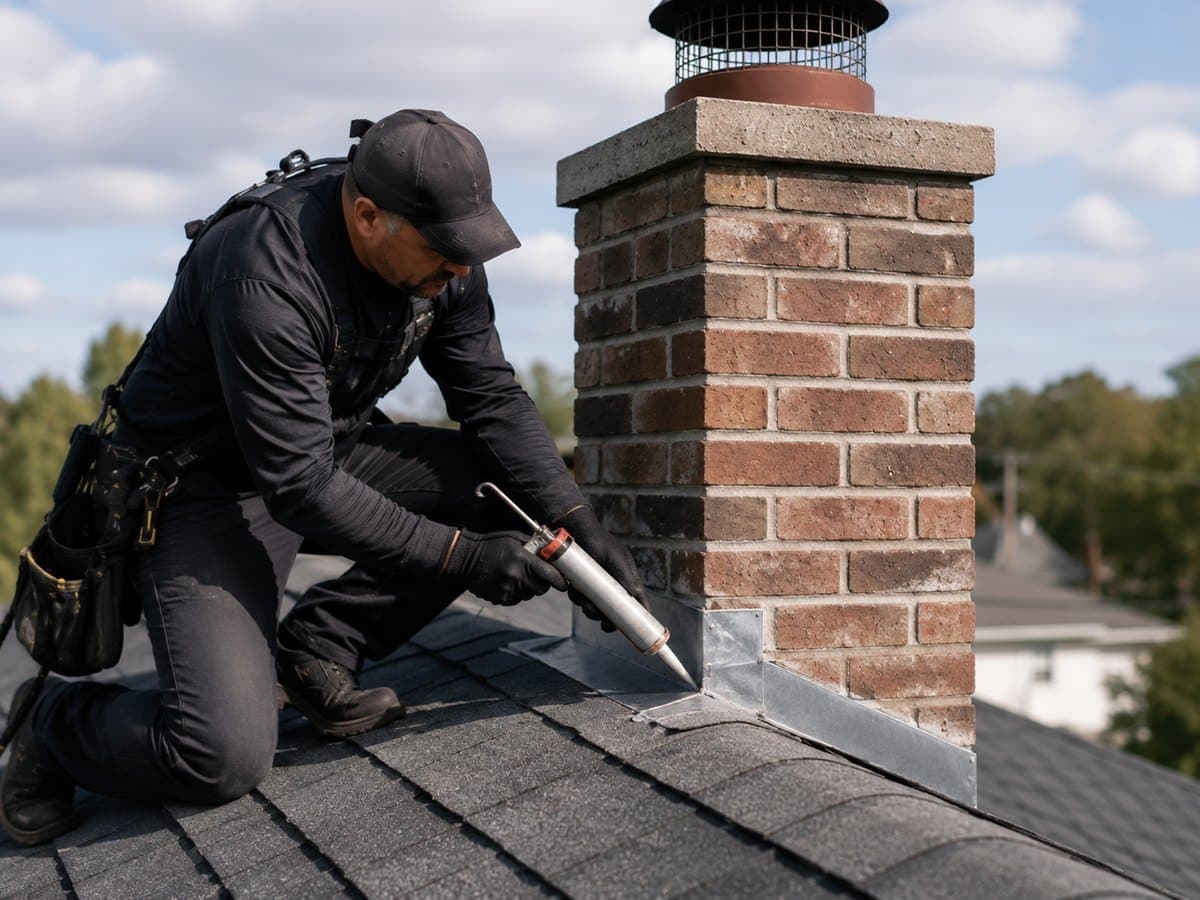
- Inspection of the chase cover or crown, flashing and the upper flue.
Water is the one to pay attention to in Central Florida. Orlando averages about 51.5 inches of rain a year (CurrentResults, NCEI normals), and a chimney that has been leaking slowly into a framed chase can look fine from the living room.
What a Level 2 chimney inspection adds
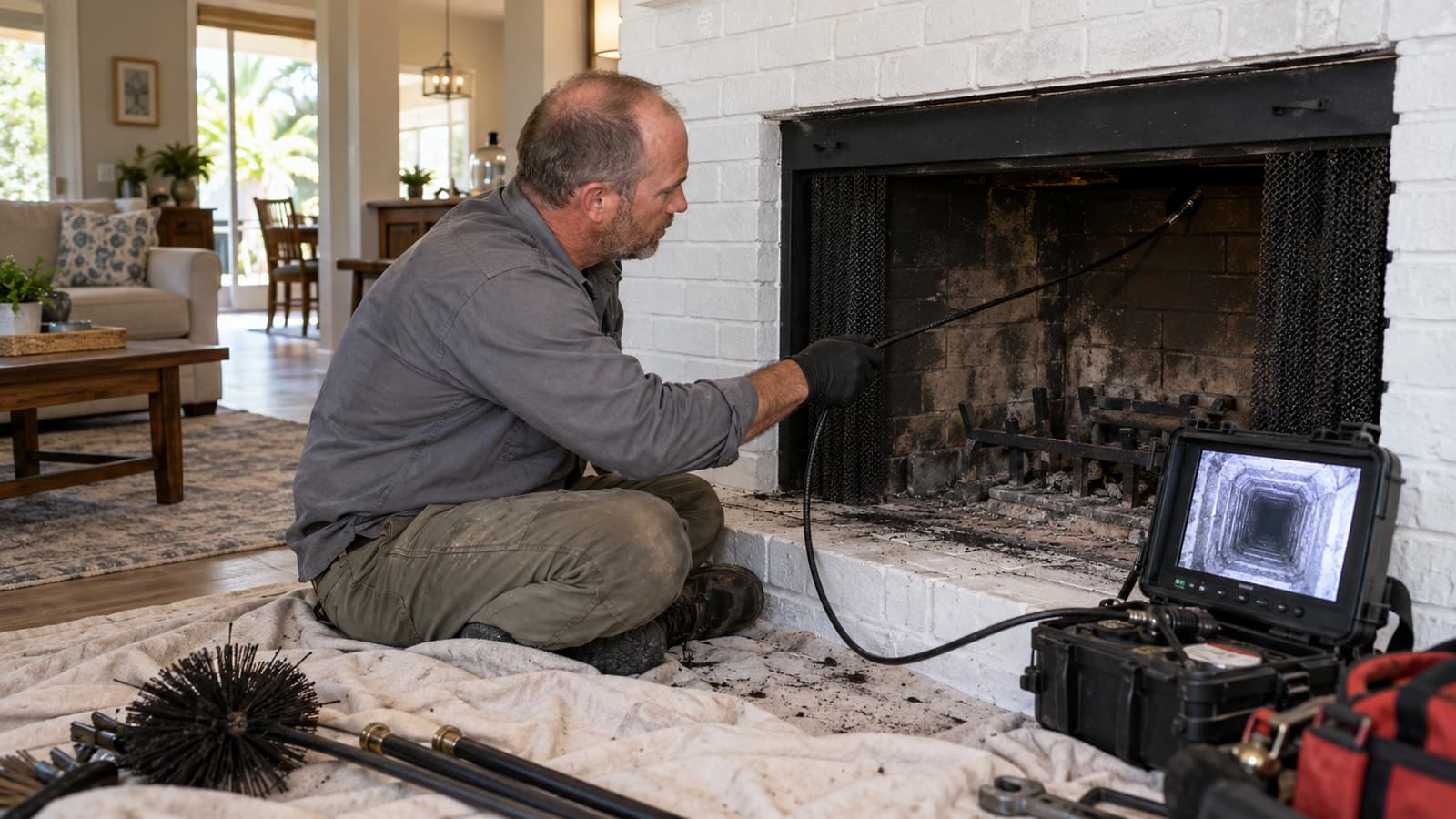
Chimney inspections are commonly described in three levels. Level 1 is the routine annual check of readily accessible parts. Level 2 adds a video scan of the flue and a look at accessible areas such as the attic, crawlspace and roof, and it is the level recommended for a newly purchased home or when the system is about to change (Chimneys.com summary of NFPA 211). Level 3 involves removing parts of the structure and is reserved for suspected hidden hazards.
| Feature | General home inspection | Level 2 chimney inspection |
|---|---|---|
| Firebox and hearth | Visible components | Visible components, plus refractory panels, joints and clearances in detail |
| Damper | May be operated if accessible | Operated and checked for seal and damage |
| Flue interior | Not required | The full flue (CSIA’s procedure calls for a video scan) |
| Top of chimney | As part of the roof, where visible | Cap, crown or chase cover, storm collar and termination |
| Chase / attic around chimney | Limited | Checked where accessible for water and clearance problems |
| Draft and venting | Not required to determine draft | Evaluated for obstructions and venting issues |
| Report | Fireplace is one line or section among many | Chimney-specific findings, including the condition of the flue |
Firebox and hearth
- General home inspection
- Visible components
- Level 2 chimney inspection
- Visible components, plus refractory panels, joints and clearances in detail
Damper
- General home inspection
- May be operated if accessible
- Level 2 chimney inspection
- Operated and checked for seal and damage
Flue interior
- General home inspection
- Not required
- Level 2 chimney inspection
- The full flue (CSIA’s procedure calls for a video scan)
Top of chimney
- General home inspection
- As part of the roof, where visible
- Level 2 chimney inspection
- Cap, crown or chase cover, storm collar and termination
Chase / attic around chimney
- General home inspection
- Limited
- Level 2 chimney inspection
- Checked where accessible for water and clearance problems
Draft and venting
- General home inspection
- Not required to determine draft
- Level 2 chimney inspection
- Evaluated for obstructions and venting issues
Report
- General home inspection
- Fireplace is one line or section among many
- Level 2 chimney inspection
- Chimney-specific findings, including the condition of the flue
An inspection for a home sale is aimed at the same gap: the flue, chimney top and roof joint a general inspection leaves out, timed so a buyer, agent or seller can act on the findings.
When to schedule it in a purchase
Fitting a chimney inspection into your timeline
Book it as soon as the contract is signed
Your contract’s inspection period is usually short. Schedule the chimney inspection alongside the general inspection, not after it, so there’s time to act on the results.
Coordinate access
Ask the listing agent to have the fireplace cleared of stored items, glass doors unlocked and the attic accessible. Don’t ask the seller to have the chimney swept first; a fresh sweep can hide evidence of past problems.
Read the findings with your agent
Separate safety items (anything that makes the fireplace unsafe to use) from maintenance and cosmetic items.
Decide before the period ends
Use the written findings to request repairs, credits or further evaluation, according to your contract and your agent’s advice.
Selling instead of buying?
A pre-listing chimney inspection gives you findings before a buyer’s inspector does, so you can repair or disclose on your own schedule.
Questions buyers should ask
Before the inspection, ask the seller or listing agent:
- Is the fireplace wood-burning, gas, or a gas insert or logs in a wood fireplace?
- Is it masonry or factory-built? Is there a label plate or model number?
- When was it last used, and when was it last inspected or swept? Are there records?
- Has the chimney ever leaked, had its cap or chase cover replaced, or been repaired after a storm?
- Were there ever animals in the chimney?
And ask the chimney inspector:
- How will the full height of the flue be checked, and what will I receive afterward?
- Will you check the top of the chimney and the roof interface, and the attic or chase where accessible?
- Which findings are safety issues, and which are maintenance?
- Is anything you couldn’t see or access noted as such in the report?
If the chimney inspection finds a problem
Not every finding is a deal-breaker. A missing cap, a torn screen or light soot are routine maintenance. A rusted chase cover or loose flashing is a repair with a clear scope. The findings that deserve the most weight are the ones that affect safe use or point to hidden water damage: a cracked or separated flue, damaged firebox panels in a factory-built unit, or signs that water has been getting into the chase for a long time.
Ask for anything that couldn’t be seen to be listed as a limitation, and ask what further evaluation would answer it. Until a safety finding is resolved, the fireplace shouldn’t be used, even for one evening.
After you move in
Once the house is yours, NFPA 211 calls for chimneys, fireplaces and vents to be inspected at least once a year (Chimneys.com). A routine annual chimney inspection keeps an eye on the cap, crown or chase cover and the flashing through each rainy season, whether or not you use the fireplace much.
If the inspection turns up a specific symptom, the problem pages go deeper: is my fireplace safe to use covers the stop-or-go questions, and what a cracked or separated liner means explains the most common flue finding. The 4-point inspection guide covers the insurance side. Buyers in the northern suburbs can see how this works locally on Lake Mary chimney inspections.
References (6)
Facts and figures on this page come from these references.
- 1Florida Administrative Code Rule 61-30.808: Standards of Practice, Fireplaces and Solid Fuel Burning Appliances
- 2Florida Administrative Code Chapter 61-30
- 3Central Florida Building Inspectors: State of Florida home inspection standards of practice
- 4Chimneys.com: NFPA 211 and your chimney
- 5CurrentResults: Orlando weather averages (NCEI normals)
- 6Slide Insurance: What is a 4-point inspection?