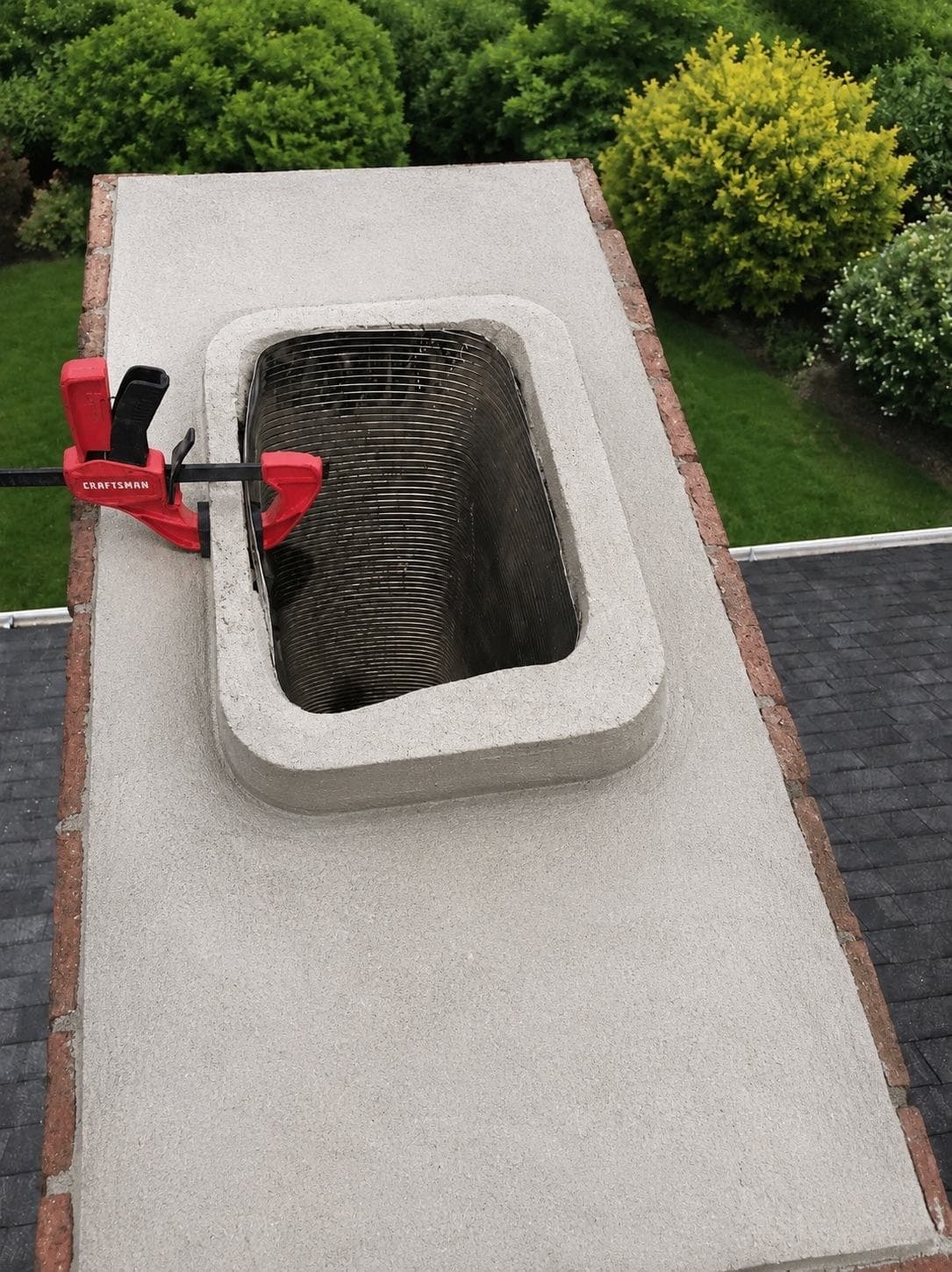
What the liner does
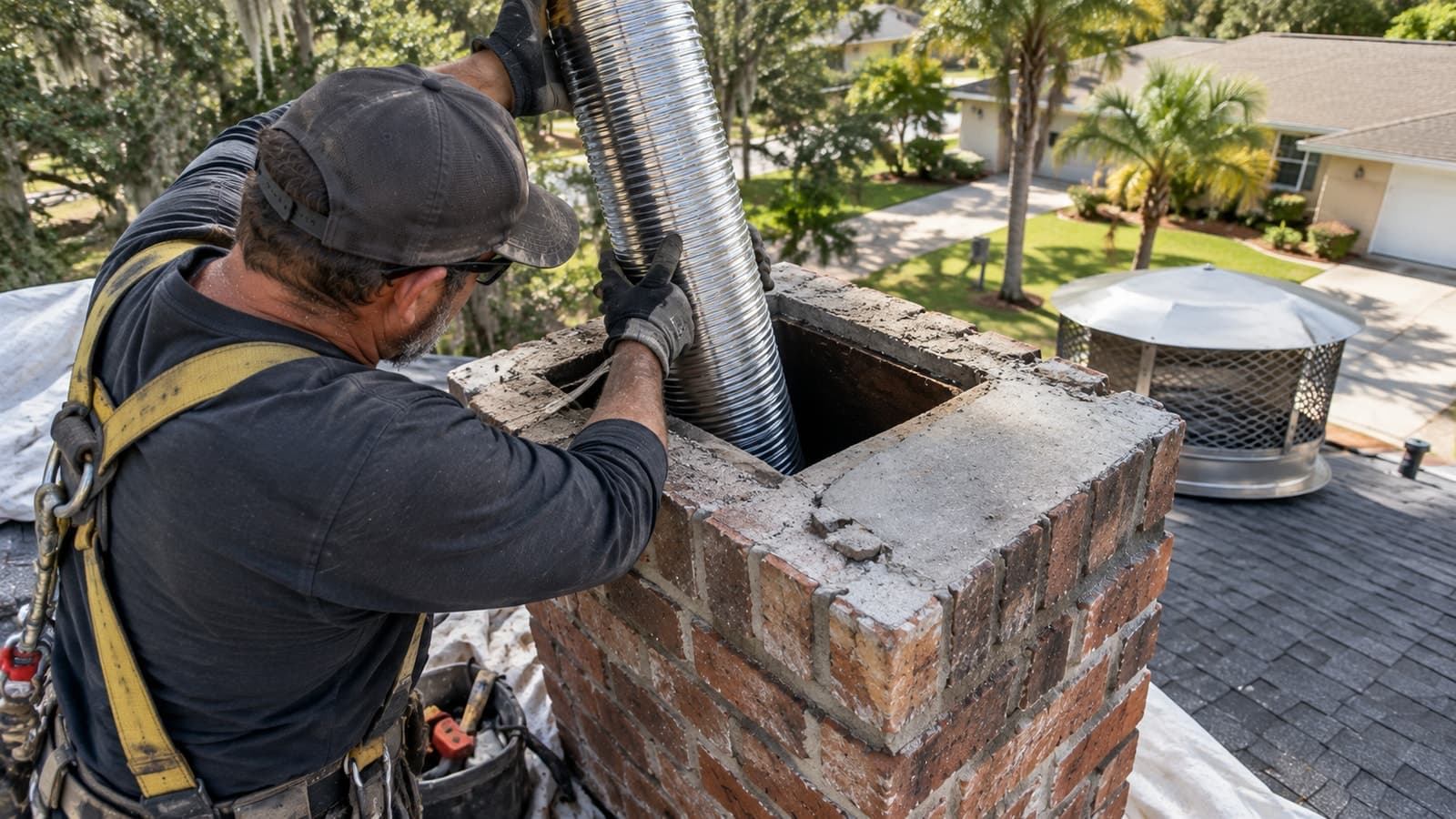
Most brick chimneys in Central Florida have a liner of square or rectangular clay tiles stacked inside the masonry, with mortar at each joint. The liner contains the heat and exhaust, gives smoke a smooth, correctly sized path up and out, and protects the surrounding brick from acidic combustion byproducts. Behind the liner there is often only a few inches of brick before framing. Other chimneys have a cast-in-place liner or a stainless steel pipe installed during a relining. Factory-built fireplaces use a metal flue that is part of the listed system.
Masonry chimney and fireplace, cutaway
- 1Chimney cap. Metal lid with mesh sides over the flue opening. Keeps rain, debris and animals out.
- 2Crown. The concrete or mortar top of the masonry, sloped to shed water away from the flue.
- 3Flue liner. Clay tile or metal lining that carries smoke up and protects the masonry from heat.
- 4Flashing. Metal that seals the joint between the chimney and the roof.
- 5Brick & mortar. The chimney structure. Mortar joints and brick faces absorb water when they wear.
- 6Smoke chamber. The sloped transition that funnels smoke from the firebox into the flue.
- 7Damper. Metal plate at the throat (or a sealing lid on top) that closes the flue when not in use.
- 8Firebox. Where the fire burns. Firebrick laid in heat-resistant mortar.
- 9Hearth. Non-combustible floor extension in front of the fireplace opening.
Kinds of liner damage
| Finding | What it usually means | Typical direction |
|---|---|---|
| Hairline vertical cracks in a few tiles | Thermal stress, often from a chimney fire or rapid heating | Assessed tile by tile; may be repairable |
| Open or missing mortar joints between tiles | Heat, water and age washing out the joint mortar | Joint repair or a resurfacing system, if the tiles are sound |
| Shattered, offset or missing tiles | Chimney fire, settling or water damage | Relining, usually with stainless steel |
| Flaking, spalling tile surface | Water and acidic condensation attacking the tile | Stop the water; reline if the tile has lost its thickness |
| No liner at all | Common in some older chimneys | Relining before the fireplace is used |
| Top tile cracked or loose | Crown bonded to the tile, or storm damage | Crown and top-tile repair |
Why liners crack or deteriorate
01A chimney fire
- What you may notice
- Loud roaring or popping during a fire, puffy or honeycombed creosote, tile pieces afterward. Many chimney fires go unnoticed.
- How it’s confirmed
- A detailed (Level 2) inspection of the whole flue after any suspected chimney fire. See signs of a chimney fire.
02Water coming in at the top
- What you may notice
- A missing cap, cracked crown, rust on the damper and flaking tile near the top of the flue.
- How it’s confirmed
- Checking the cap and crown, and looking for water damage concentrated in the upper tiles.
03Settling or movement of the chimney
- What you may notice
- Cracks in the brick outside, a chimney that has moved away from the house, offset tiles.
- How it’s confirmed
- Checking the tile alignment against the condition of the masonry; see a leaning chimney.
04Age and poor original installation
- What you may notice
- Mortar squeezed into the flue at joints, gaps where tiles never met, tiles sized wrong for the fireplace.
- How it’s confirmed
- Checking the joints that can be reached and seen, and the flue size against the fireplace opening.
Signs you might notice
Clues from inside the house
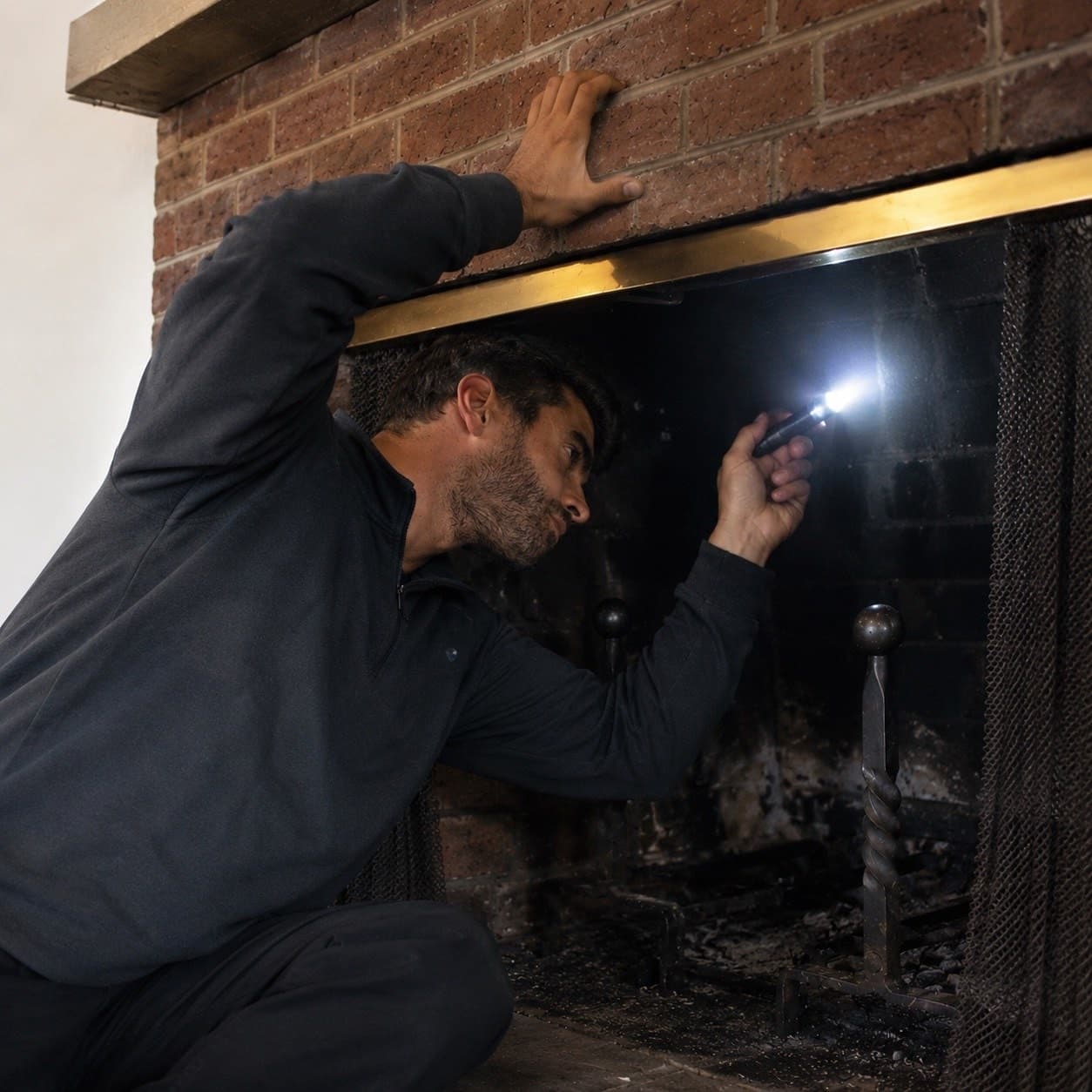
- With the fireplace cold and the damper open, shine a flashlight up the flue and look at the smoke shelf behind the damper for tile fragments.
- Look for thin, flat pieces of clay (often red or buff) in the firebox that don’t match the firebrick.
- Notice if the fireplace drafts differently than it used to, especially if smoke now spills on fires that used to draw well.
- If a gas water heater or furnace also vents into the chimney, look for rust or water at its vent connector and test the CO alarm.
- Check your records: when was the flue last inspected in detail?
Don’t use a fireplace with a known damaged liner
Cracks and gaps let heat reach the brick and nearby wood framing, and let smoke and carbon monoxide leak into spaces around the chimney. If an inspection has flagged the liner, keep the fireplace unused until the repair is done, and make sure you have working CO alarms. The CPSC recommends them on every level of the home and outside sleeping areas (CPSC).
Repair or reline?
| Feature | Repair may be enough | Relining is usually needed |
|---|---|---|
| Extent | A few joints or tiles, in one area | Damage along much of the flue |
| Tile condition | Sound tiles with open joints | Shattered, offset or missing tiles |
| Cause | Water that can be stopped at the top | Chimney fire or structural movement |
| Flue size | Correct for the fireplace | Wrong size for the fireplace or appliance |
Extent
- Repair may be enough
- A few joints or tiles, in one area
- Relining is usually needed
- Damage along much of the flue
Tile condition
- Repair may be enough
- Sound tiles with open joints
- Relining is usually needed
- Shattered, offset or missing tiles
Cause
- Repair may be enough
- Water that can be stopped at the top
- Relining is usually needed
- Chimney fire or structural movement
Flue size
- Repair may be enough
- Correct for the fireplace
- Relining is usually needed
- Wrong size for the fireplace or appliance
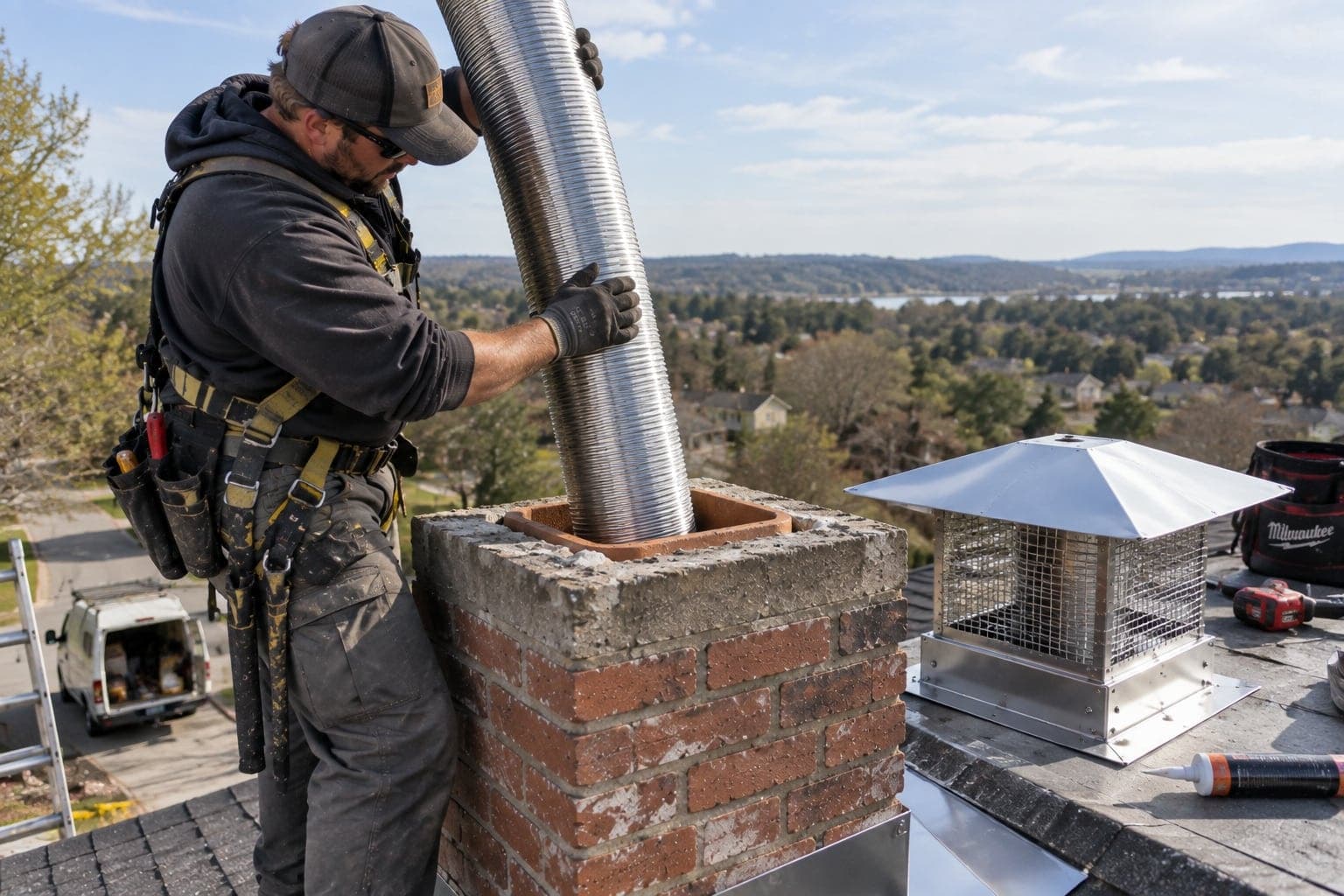
Relining a masonry chimney usually means installing a stainless steel liner sized for the fireplace or appliance, sometimes with insulation. The installing a new flue liner page explains the options; smaller repairs are covered under chimney liner repair.
What a professional liner evaluation involves
Sweep first
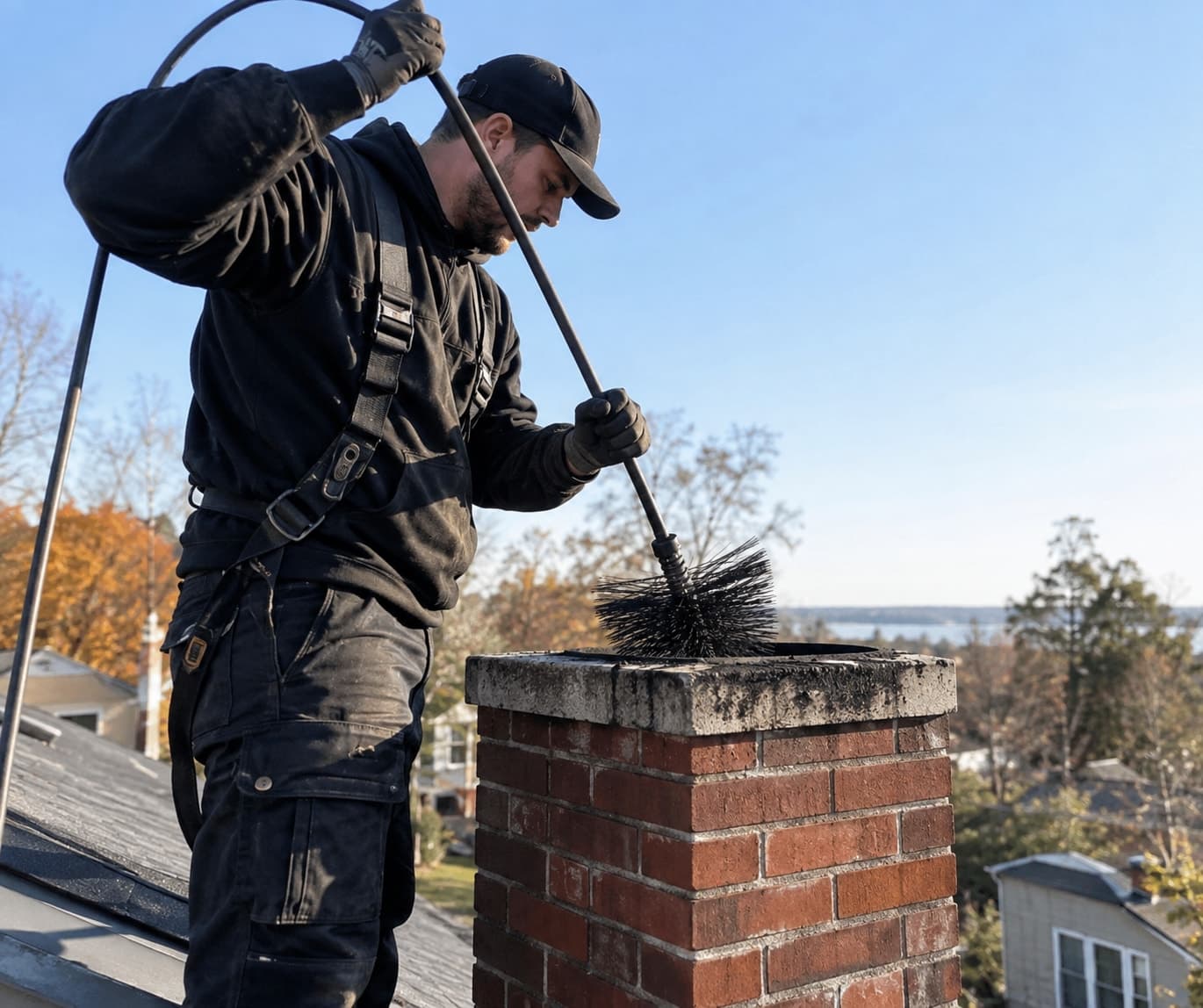
Soot and creosote hide cracks, so the flue is usually cleaned before it is inspected.
Flue inspection
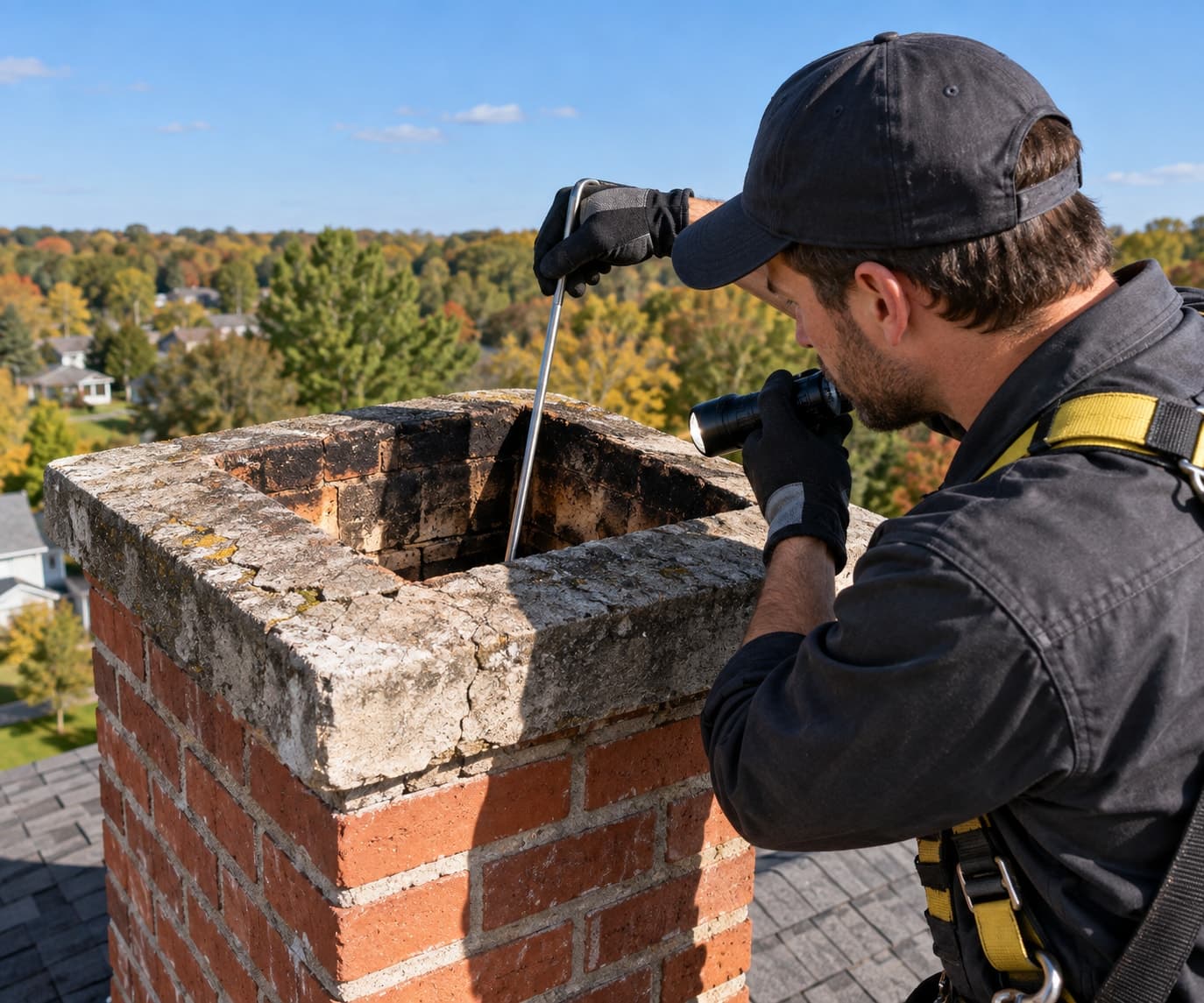
The flue is examined from the bottom and the top as far as it can be seen, and the findings say what couldn’t be reached. After a chimney fire or other damaging event, NFPA 211 calls for this more detailed Level 2 inspection (Chimneys.com).
Find the cause
The cap, crown, masonry and burning habits are checked, so the new liner doesn’t fail the same way.
Size the fix
A repair plan or relining size is based on the fireplace opening or the appliance’s requirements.
Repair or reline?
| Liner condition | Where it’s fixed |
|---|---|
| A few cracked tiles or open joints | chimney liner repair |
| Widespread cracking or chimney-fire damage | relining the flue |
| Creosote hiding the condition | a sweep first, then the inspection |
Liner types and when each fits are compared in chimney liner types. Locally, liner questions start with an inspection for City of Orlando homes or chimney inspection in Maitland.
References (3)
Facts and figures on this page come from these references.