Short answer
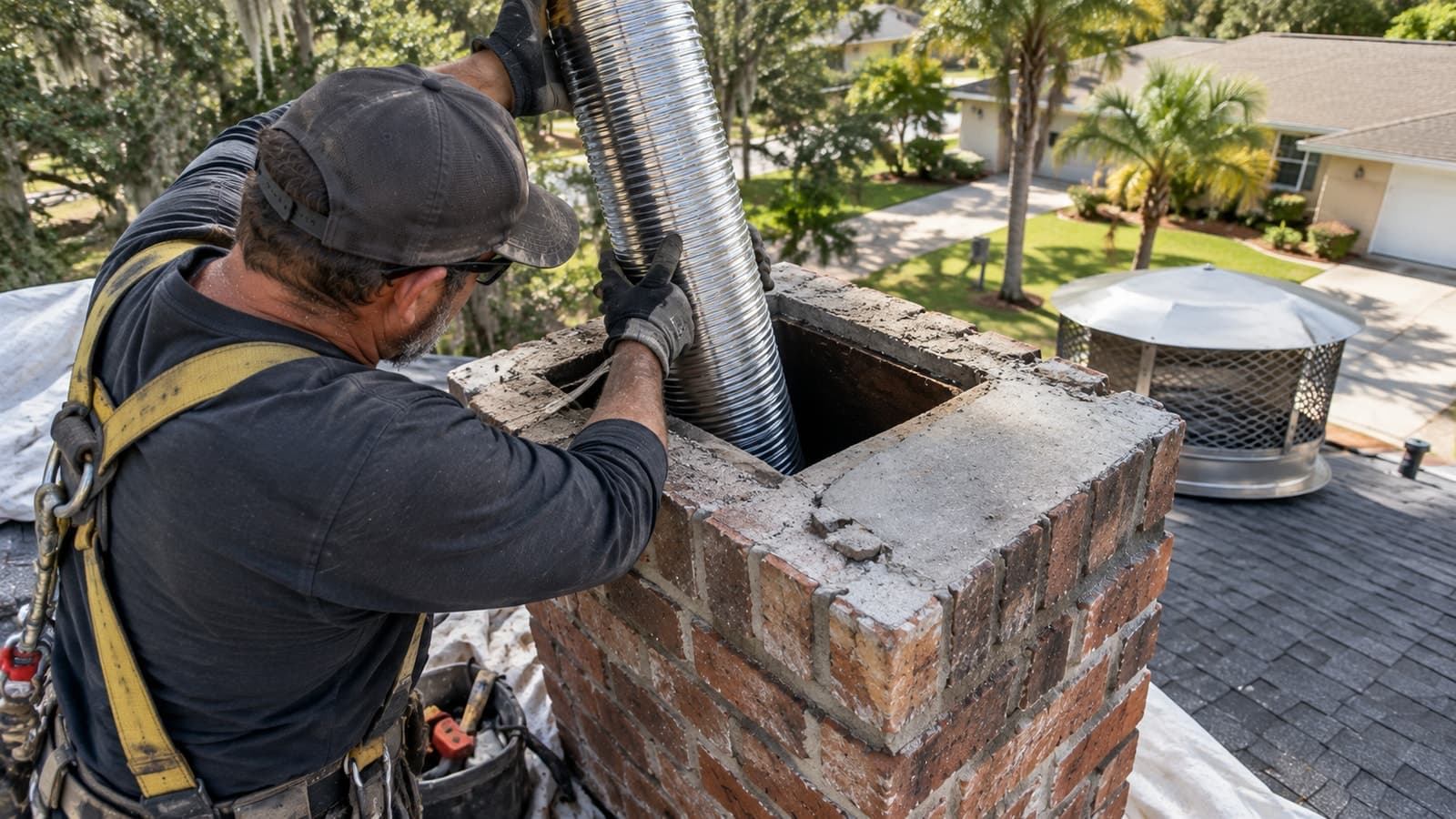
The main chimney liner types are clay tile (original to most masonry chimneys), stainless steel (the usual relining choice, rigid or flexible), aluminum (some gas appliances only), cast-in-place (a poured lining) and the listed metal flue of a factory-built fireplace. The right one depends on the fuel, the appliance and the flue size.
What a liner does
- Contains heat so it doesn’t reach the brick and nearby framing.
- Carries exhaust out without letting smoke or carbon monoxide leak into the walls and rooms around the chimney.
- Resists corrosion from acidic condensation, which attacks brick and mortar.
- Sizes the flue to the fireplace or appliance so it drafts properly.
Masonry chimney and fireplace, cutaway
- 1Chimney cap. Metal lid with mesh sides over the flue opening. Keeps rain, debris and animals out.
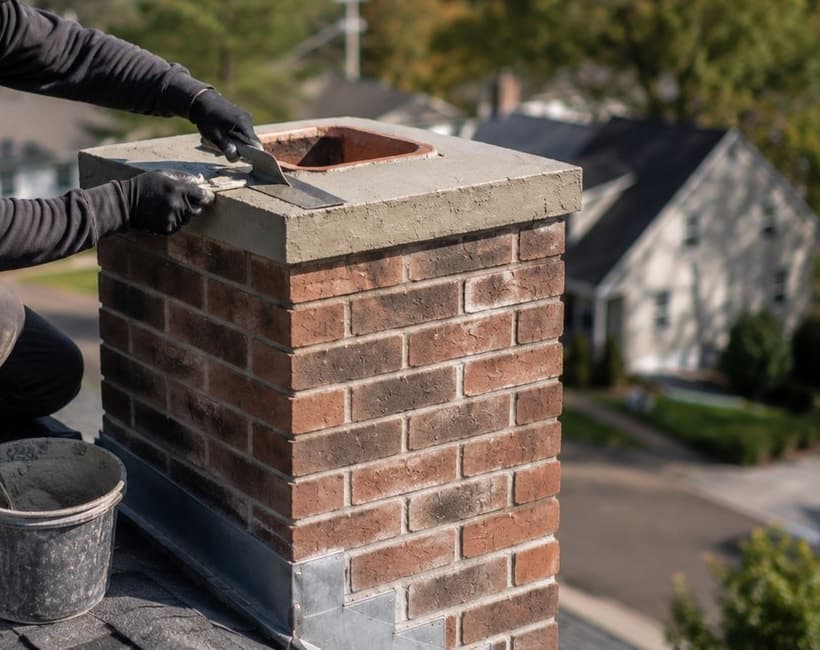
- 2Crown. The concrete or mortar top of the masonry, sloped to shed water away from the flue.
- 3Flue liner. Clay tile or metal lining that carries smoke up and protects the masonry from heat.
- 4Flashing. Metal that seals the joint between the chimney and the roof.
- 5Brick & mortar. The chimney structure. Mortar joints and brick faces absorb water when they wear.
- 6Smoke chamber. The sloped transition that funnels smoke from the firebox into the flue.
- 7Damper. Metal plate at the throat (or a sealing lid on top) that closes the flue when not in use.
- 8Firebox. Where the fire burns. Firebrick laid in heat-resistant mortar.
- 9Hearth. Non-combustible floor extension in front of the fireplace opening.
Liner types compared
| Type | Where it’s used | Strengths | Limitations |
|---|---|---|---|
| Clay tile | Most original masonry chimneys | Durable when intact; inexpensive to build in | Cracks from chimney fires and rapid heating; joints can open; hard to repair from inside |
| Stainless steel (rigid or flexible) | Relining masonry chimneys; inserts; many appliances | Installed from the top without demolition; handles wood and gas when rated for it | Must be sized and rated for the appliance; often insulated |
| Aluminum | Some gas appliances only | Light and inexpensive | Not for wood or oil; limited uses |
| Cast-in-place | Relining damaged masonry flues | Seamless; can add strength to an old chimney | Specialized installation; less common |
| Factory-built metal flue | Prefab fireplaces | Tested with the fireplace as one system | Only the listed parts may be used |
Why sizing matters
A flue that is too large for the fireplace or appliance stays cool, drafts poorly and collects creosote or condensation. One that is too small can’t carry the exhaust and smoke spills into the room. Relining is sized to the fireplace opening or to the appliance manufacturer’s requirements, and fireplace inserts typically need a liner run the full height of the chimney. See the fireplace insert guide for why.
How liners get damaged
- A chimney fire, even a slow one nobody noticed. See signs of a chimney fire.
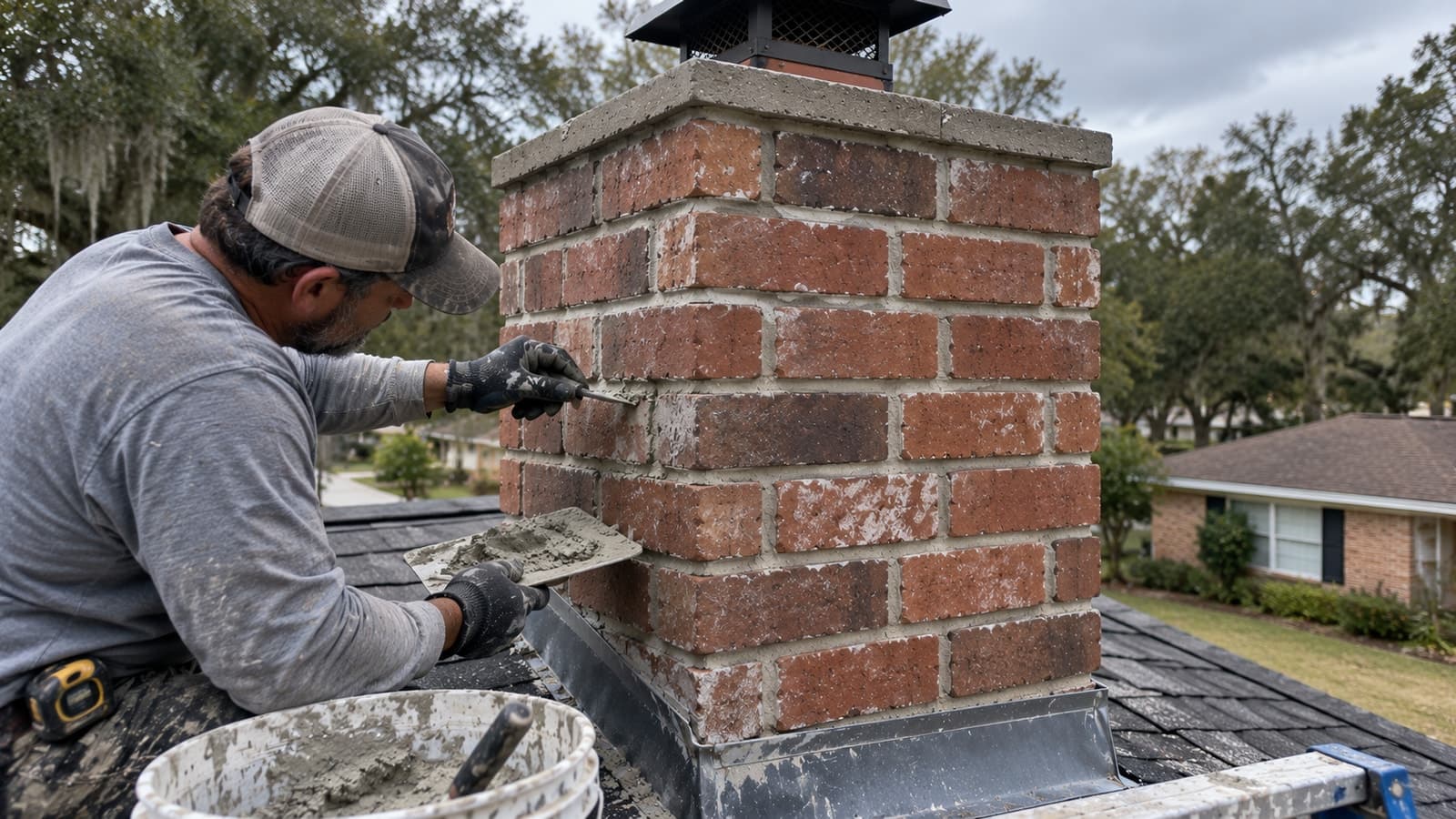
- Water entering from the top through a missing cap or cracked crown.
- Settling or movement of the chimney.
- Acidic condensation, especially from gas appliances vented into an oversized clay flue.
- Age and poor original workmanship, such as gaps at tile joints.
Repair or reline?
| Feature | Repair may work | Relining is usually needed |
|---|---|---|
| Extent | A few joints or tiles in one area | Damage along much of the height |
| Tile condition | Sound tiles, open joints | Cracked, offset or missing tiles |
| Flue size | Correct for the fireplace | Wrong size, or a new insert or appliance being added |
| Cause | Water that can be stopped at the top | Chimney fire or structural movement |
Extent
- Repair may work
- A few joints or tiles in one area
- Relining is usually needed
- Damage along much of the height
Tile condition
- Repair may work
- Sound tiles, open joints
- Relining is usually needed
- Cracked, offset or missing tiles
Flue size
- Repair may work
- Correct for the fireplace
- Relining is usually needed
- Wrong size, or a new insert or appliance being added
Cause
- Repair may work
- Water that can be stopped at the top
- Relining is usually needed
- Chimney fire or structural movement
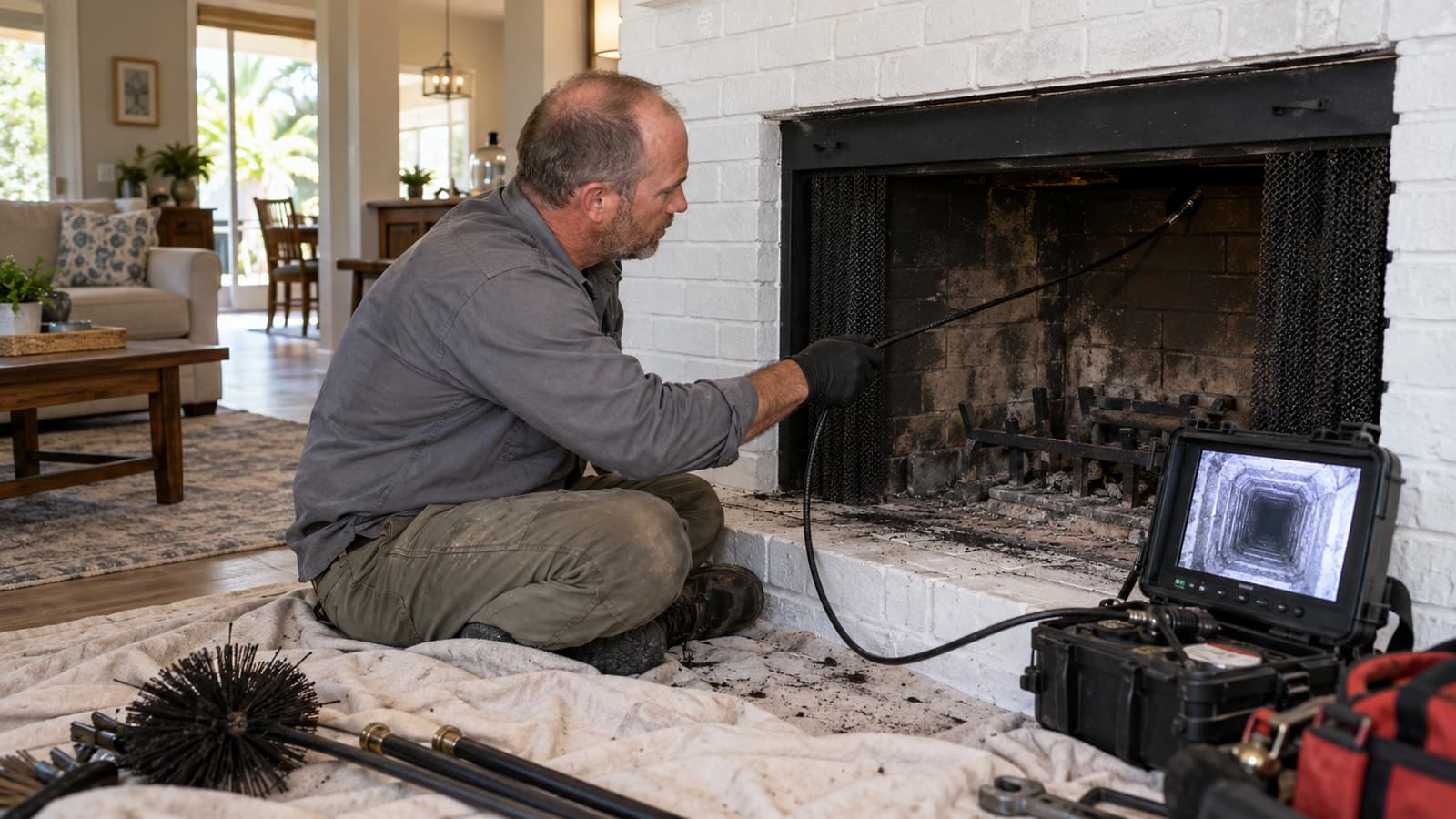
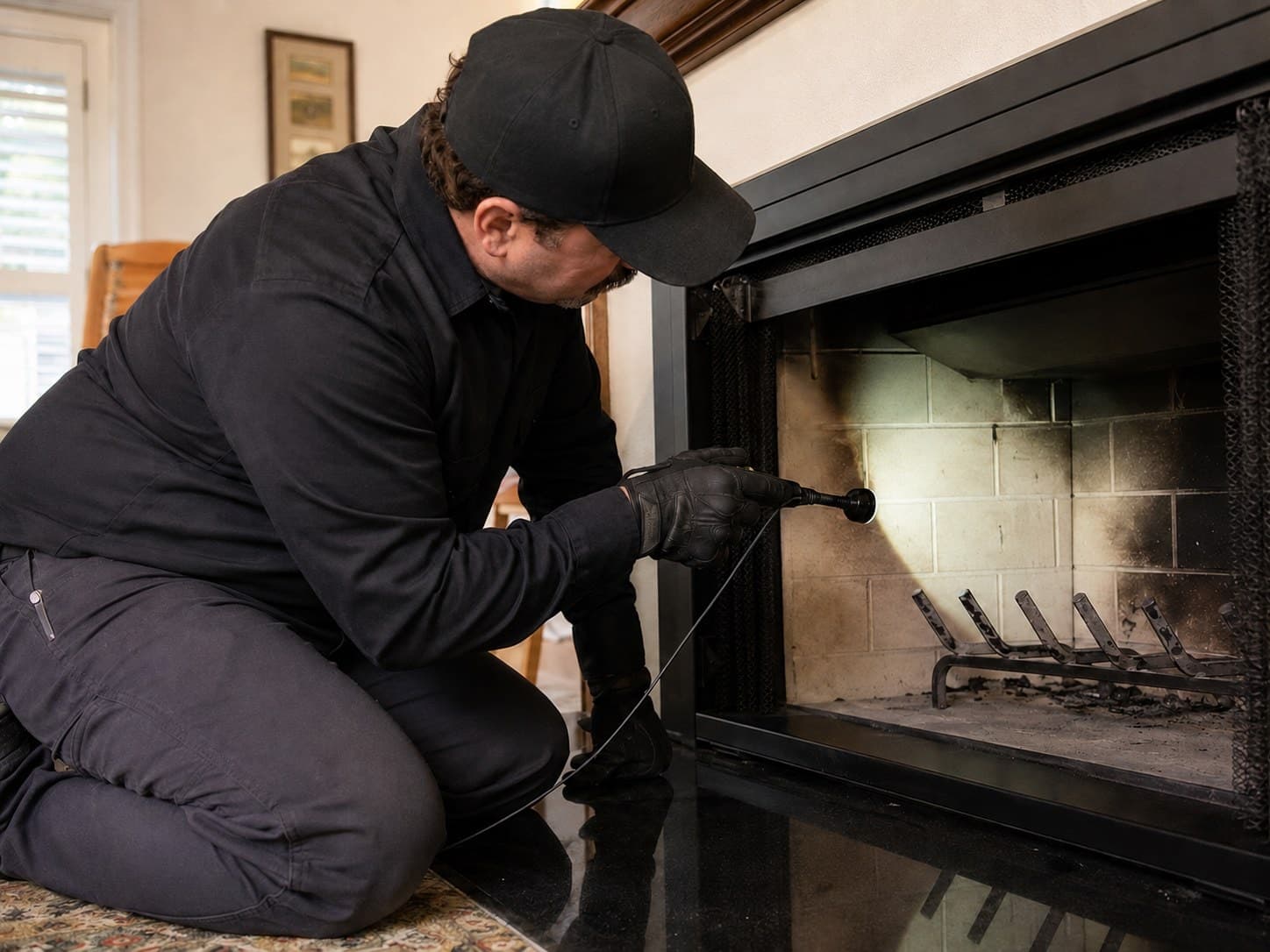
Most of a liner’s height can’t be seen from the firebox or the top, which is why a Level 2 inspection, which industry procedures describe as including a video scan of the flue, is recommended after a chimney fire or when a new appliance is being connected (Chimneys.com, NFPA 211). If you’ve already been told the liner is damaged, the symptom guide on a damaged chimney liner covers what to do meanwhile. Options are covered under chimney liner repair and chimney liner installation.
In Central Florida, where most fireplaces see only a few fires a year, water entering at the top during the rainy season is often a bigger threat to a liner than heavy burning. For how liners fail in practice, smoke spilling into the room and how much creosote is too much cover two common findings. Level 1 vs Level 2 inspections explains when the full flue is evaluated. For inspections in one of the older towns, see chimney inspection for Sanford homes.
References (2)
Facts and figures on this page come from these references.