What an insert is
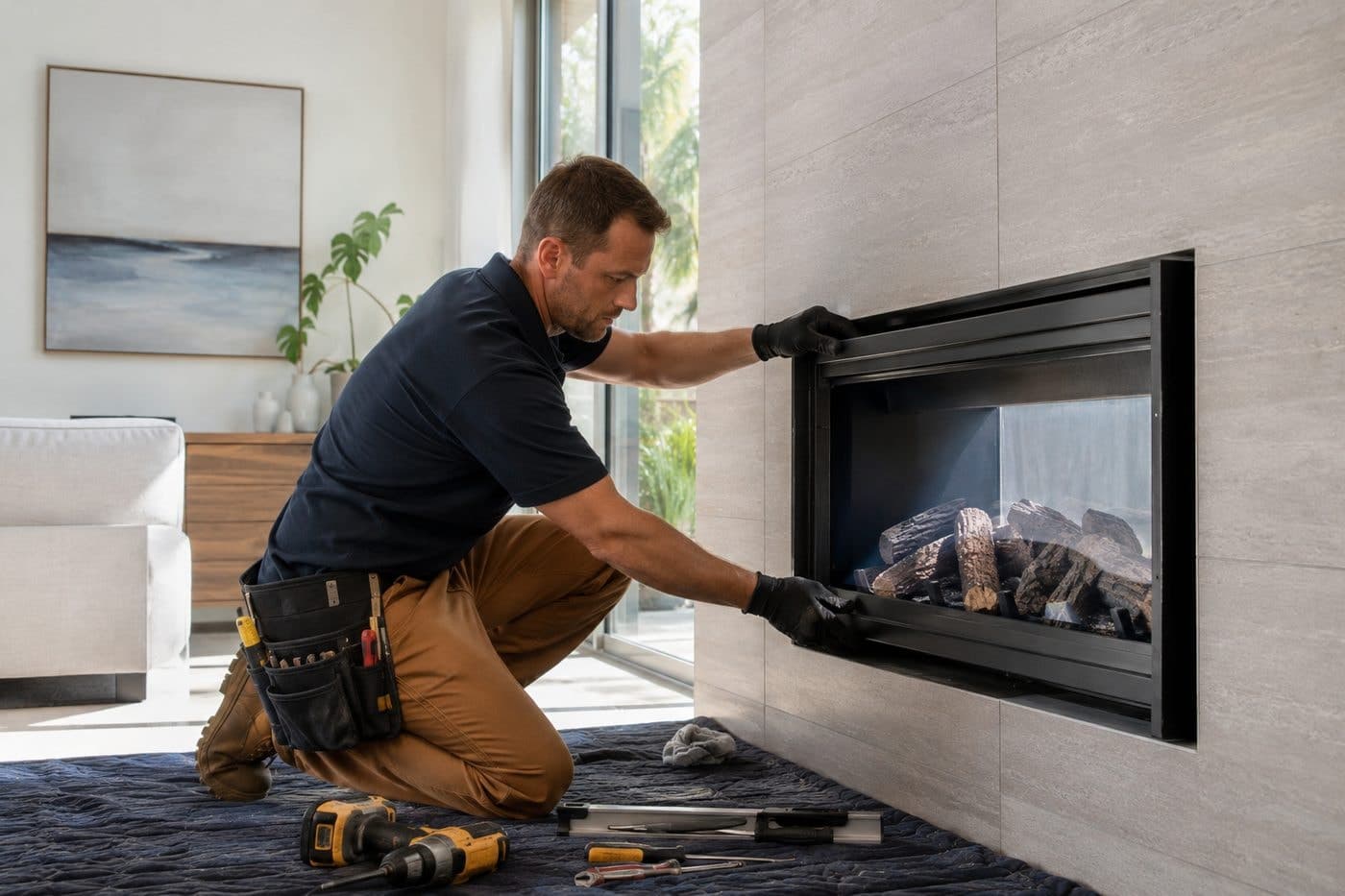
An insert is a self-contained appliance, usually a steel or cast-iron box with a glass front, set into the firebox of an existing fireplace. A surround panel covers the gap around it. Gas and wood inserts vent through a liner run up the existing chimney; electric inserts need only an outlet.
Insert types compared
| Item | Gas insert | Wood insert | Electric insert |
|---|---|---|---|
| Venting | Liner for direct-vent or other listed venting | Stainless liner, full height | None |
| Heat | Steady, thermostat-controlled | Strong, variable | Modest, from an electric heater |
| Upkeep | Annual gas service | Regular sweeping; ash removal | Minimal |
| Needs | Gas line; possibly electrical for a blower | Sound chimney; firewood | An outlet nearby |
| Suits Central Florida because | Easy use on the few cool evenings | Real fire for those who want one | Ambience without a flue |
Why a liner is part of the job
An open fireplace’s flue is sized for a large opening. An insert produces far less exhaust volume through a small outlet, so connecting it to the old flue leaves a cold, oversized chimney where creosote or condensation builds up. NFPA 211 requires a positive connection between an insert and the chimney, and most insert manufacturers specify a liner running the full height of the chimney, sized to the insert (NFPA 211). See chimney liner types for the options.
Masonry chimney and fireplace, cutaway
- 1Chimney cap. Metal lid with mesh sides over the flue opening. Keeps rain, debris and animals out.
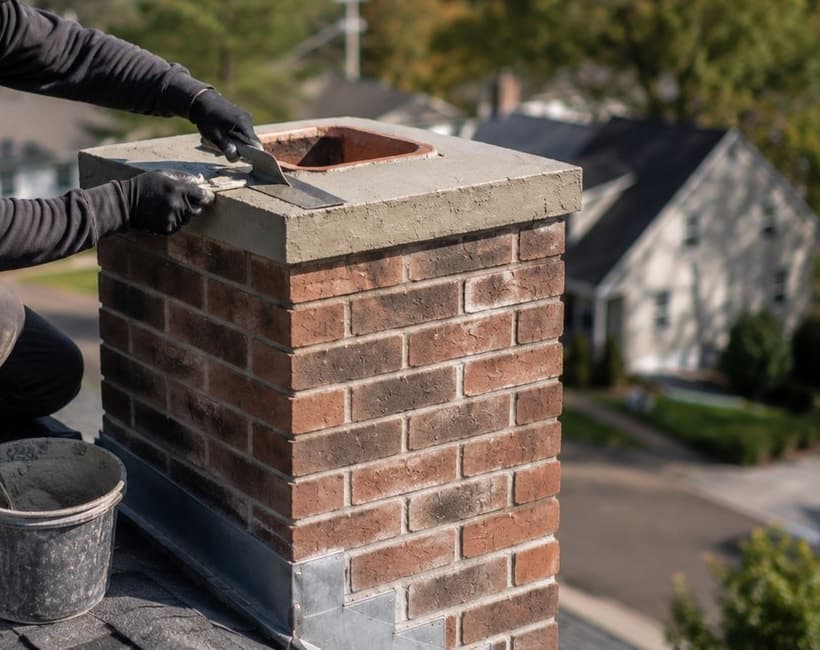
- 2Crown. The concrete or mortar top of the masonry, sloped to shed water away from the flue.
- 3Flue liner. Clay tile or metal lining that carries smoke up and protects the masonry from heat.
- 4Flashing. Metal that seals the joint between the chimney and the roof.
- 5Brick & mortar. The chimney structure. Mortar joints and brick faces absorb water when they wear.
- 6Smoke chamber. The sloped transition that funnels smoke from the firebox into the flue.
- 7Damper. Metal plate at the throat (or a sealing lid on top) that closes the flue when not in use.
- 8Firebox. Where the fire burns. Firebrick laid in heat-resistant mortar.
- 9Hearth. Non-combustible floor extension in front of the fireplace opening.
Is your fireplace a good candidate?
- The chimney and firebox pass an inspection: sound masonry, no major cracks, a crown and cap in good order.
- The opening is large enough for the insert, including clearances listed by its manufacturer.
- The hearth extension meets the insert’s requirements; see hearth and mantel clearances.
- For gas: a gas supply can reach the fireplace; gas-line work is a separate job from appliance service, and we carry that out too.
- For a factory-built fireplace: the insert must be listed for use in that specific fireplace model. Many prefab units can’t accept one.
Factory-built fireplaces are a special case
A factory-built fireplace is tested as a system under UL 127, and putting an unlisted appliance inside it changes how heat reaches the surrounding framing (Intertek). Only inserts listed for that fireplace are allowed. If yours isn’t compatible, the refractory panels are failing, or the prefab unit is worn out, replacing it is often the better route; see how long prefab fireplaces last.
Maintaining an insert
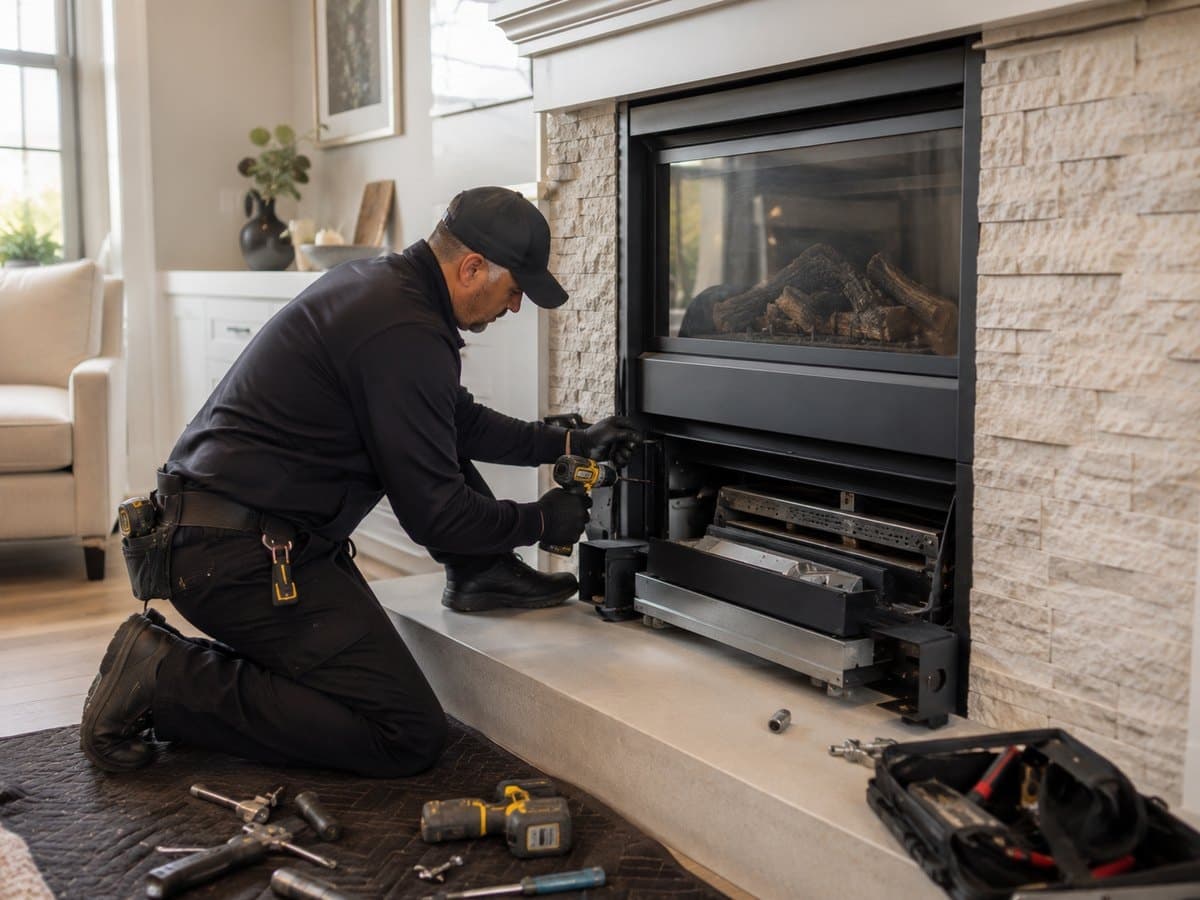
- Gas inserts: annual service of the burner, pilot, glass and venting; see the gas fireplace maintenance guide.
- Wood inserts: the liner is swept and the insert is cleaned regularly, depending on use; see fireplace insert cleaning.
- All types: keep the glass gasket and door seals in good condition.
Sizing, venting and fitting are covered under fireplace insert installation.
If you’re weighing fuels first, gas vs wood fireplaces compares upkeep and use, and level 1 vs level 2 inspections explains why an appliance change calls for the deeper one. A fireplace that smokes or drafts poorly now should be sorted out first; see a fireplace smoking into the room. Newer suburbs mix wood and gas units; chimney inspection in Winter Garden shows how both are checked locally.
References (2)
Facts and figures on this page come from these references.