Short answer
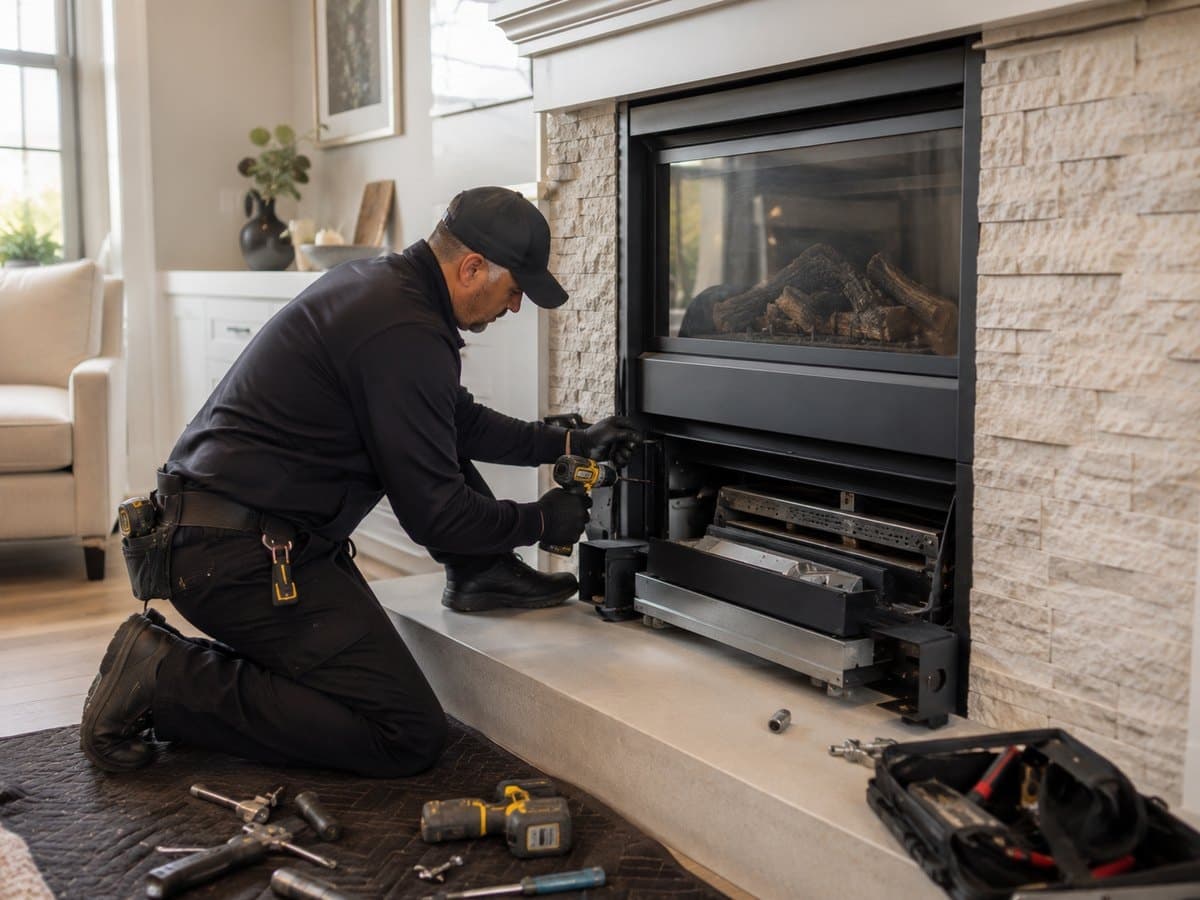
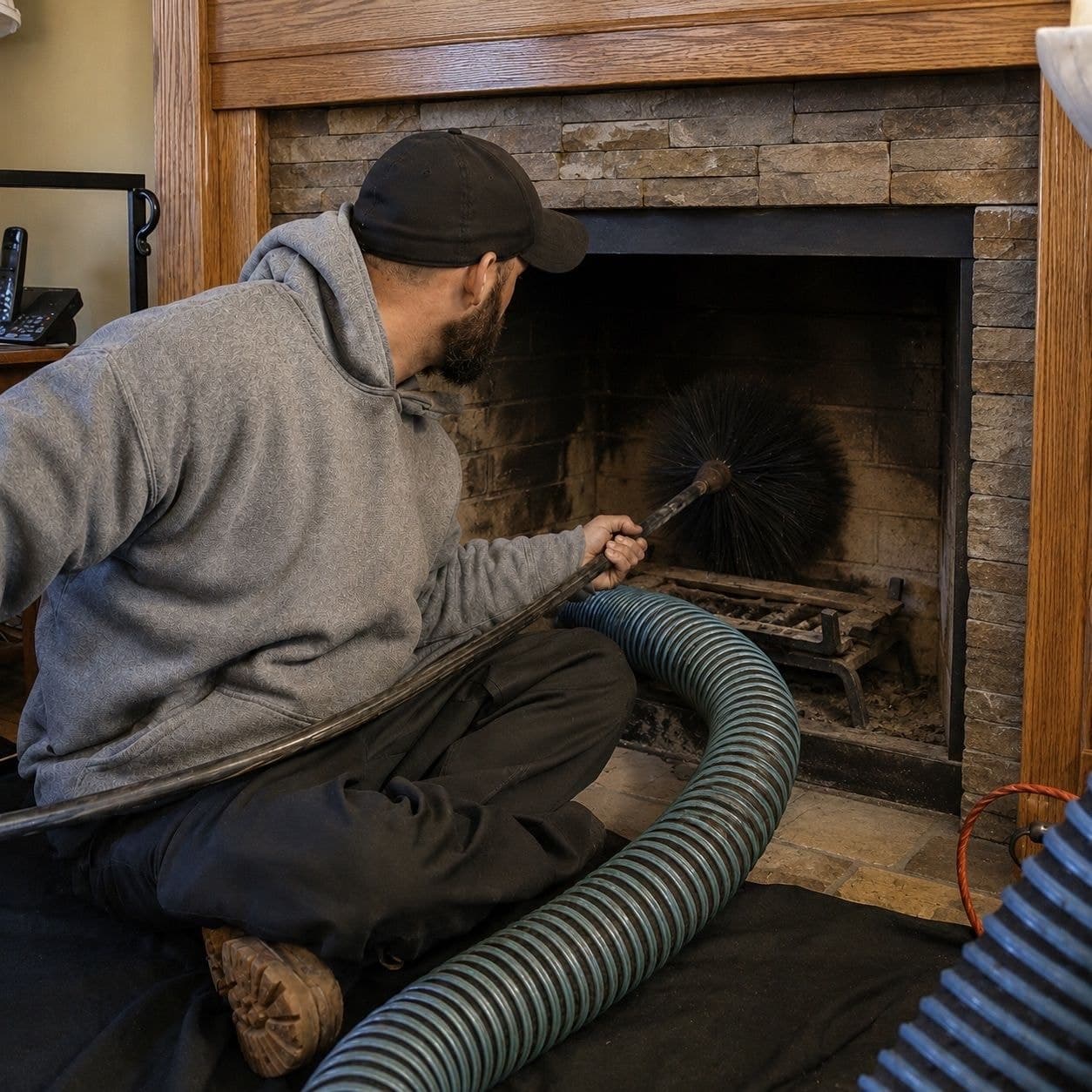
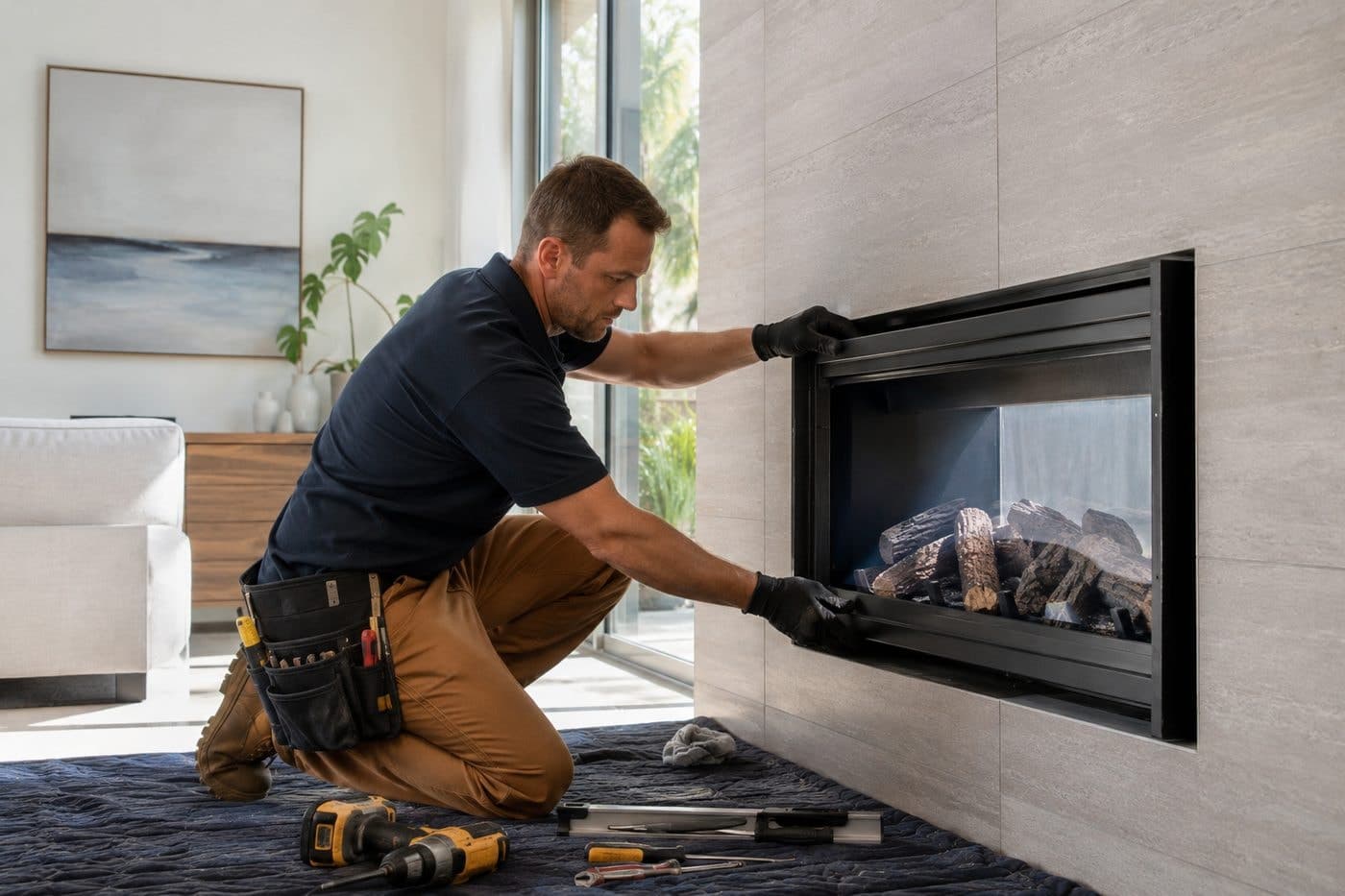
For the few cool evenings a Central Florida fireplace sees, gas usually wins on convenience and upkeep: a switch, one service visit a year and, with a sealed direct-vent unit, less humid air and odor coming in. Wood wins on the real fire, the sound and the smell, in exchange for firewood, ash, sweeping and a damper that has to seal well.
Side by side
| Item | Gas fireplace | Wood-burning fireplace |
|---|---|---|
| Starting a fire | Switch or remote | Build and tend a fire |
| Ambience | Consistent flame; realistic logs on better units | Real crackle, smell and radiant heat |
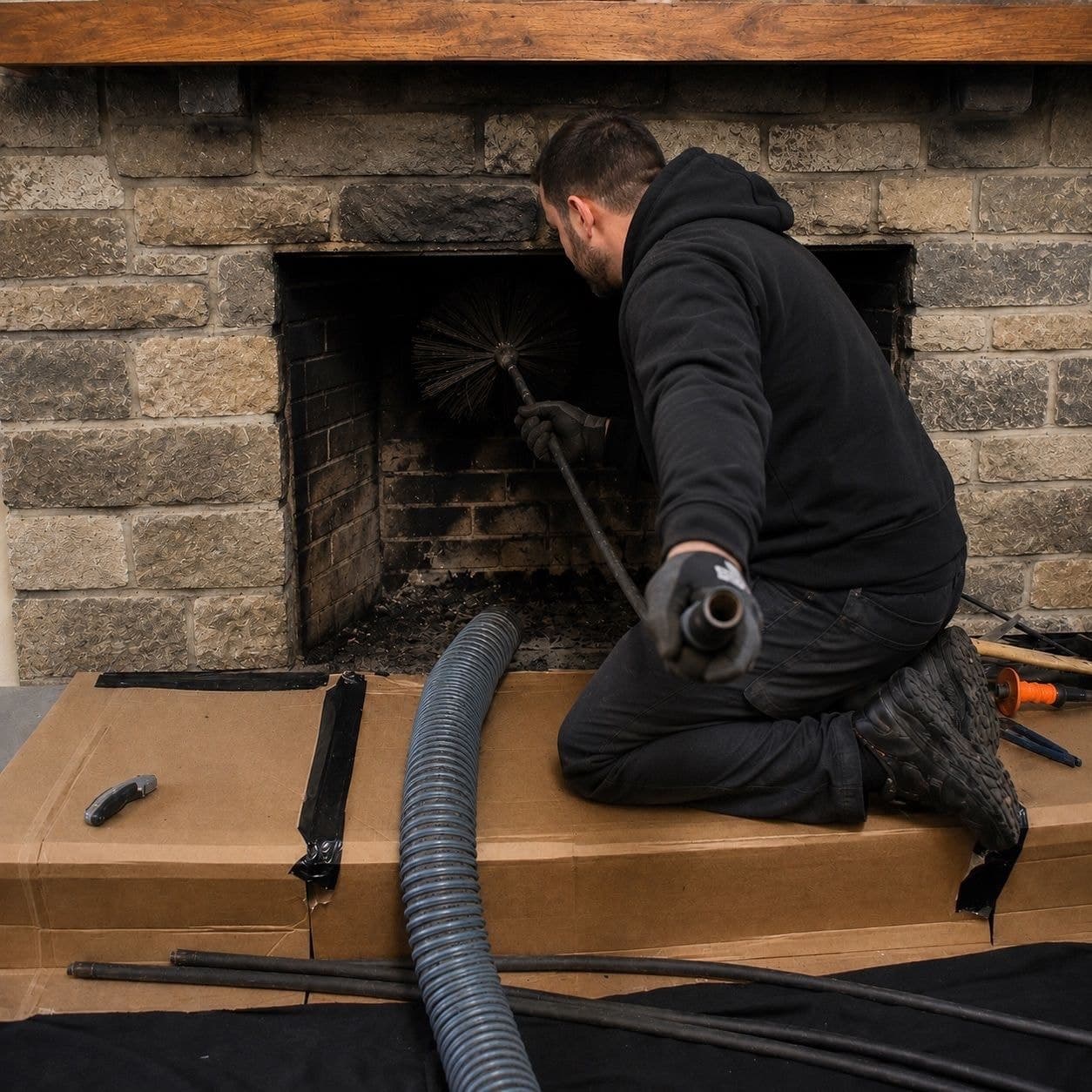
| Upkeep | Annual service; batteries; glass cleaning | Annual inspection and sweeping as needed; ash; firewood |
| Fuel | Natural gas or propane | Seasoned firewood to buy, store and keep dry |
| Heat control | Adjustable, often thermostat-controlled | Hard to regulate; much heat goes up the chimney |
| Florida humidity | Sealed direct-vent units keep humid air out of the room | An open flue brings humid air and odors in unless the damper seals well |
| Safety focus | Gas leaks, combustion, CO; hot glass | Creosote and chimney fires, embers, CO |
Which fits how you’ll use it
| Feature | Gas tends to suit you if… | Wood tends to suit you if… |
|---|---|---|
| Use | You want a fire on short notice on cool evenings | You enjoy building fires and want the real thing |
| Household | Young children, rentals or frequent guests who need a simple on/off | Adults who will manage the fire and the ashes |
| Upkeep | You prefer one service visit a year | You don’t mind firewood storage and cleaning |
| Home | There is gas service or room for propane | There is a sound masonry chimney or listed wood unit |
Use
- Gas tends to suit you if…
- You want a fire on short notice on cool evenings
- Wood tends to suit you if…
- You enjoy building fires and want the real thing
Household
- Gas tends to suit you if…
- Young children, rentals or frequent guests who need a simple on/off
- Wood tends to suit you if…
- Adults who will manage the fire and the ashes
Upkeep
- Gas tends to suit you if…
- You prefer one service visit a year
- Wood tends to suit you if…
- You don’t mind firewood storage and cleaning
Home
- Gas tends to suit you if…
- There is gas service or room for propane
- Wood tends to suit you if…
- There is a sound masonry chimney or listed wood unit
Converting a wood fireplace to gas
| Option | What it is | Trade-offs |
|---|---|---|
| Vented gas logs | A burner and ceramic logs set in the existing firebox | Mostly decorative; uses the existing chimney with the damper fixed open; the most heat goes up the flue |
| Gas insert | A sealed firebox set into the fireplace, vented through a new liner | More efficient and controllable; needs a liner and a fireplace that can take one |
| Replace a prefab unit with a gas fireplace | Remove a worn factory-built wood unit (rusted box, failing refractory panels) and install a listed gas unit | A bigger project; suits worn-out or rusted prefab fireboxes |
Each route has requirements. Gas logs must be installed as their product standard and the fuel gas code require (Rumford: ANSI Z21.60). Inserts need a liner and, in factory-built fireplaces, a listing for that model; see fireplace inserts explained. A worn prefab box may be better replaced; see how long prefab fireplaces last. New or altered gas lines are separate, permitted work that we also carry out.
Safety for either type
- Working CO alarms on every level and outside sleeping areas; see fireplace carbon monoxide.
- A yearly inspection of the chimney or vent.
- Wood: dry firewood, an open damper until the embers are out, and ashes in a metal can outside.
- Gas: an annual service, a barrier for children in front of hot glass, and leaving the home if you smell gas.
New gas units are covered under gas fireplace installation and inserts under fireplace insert installation. If you’re keeping the wood fireplace, wood fireplace repair covers fireboxes, dampers and doors.
Each side has its own upkeep guide: gas fireplace maintenance and firewood in Florida. If you’re keeping wood but the fireplace smokes or smells, a fireplace smoking into the room and a chimney smell in humid weather cover the usual causes. For wood fireplace work in town, see fireplace repair around Altamonte Springs.
References (2)
Facts and figures on this page come from these references.