What refractory panels are
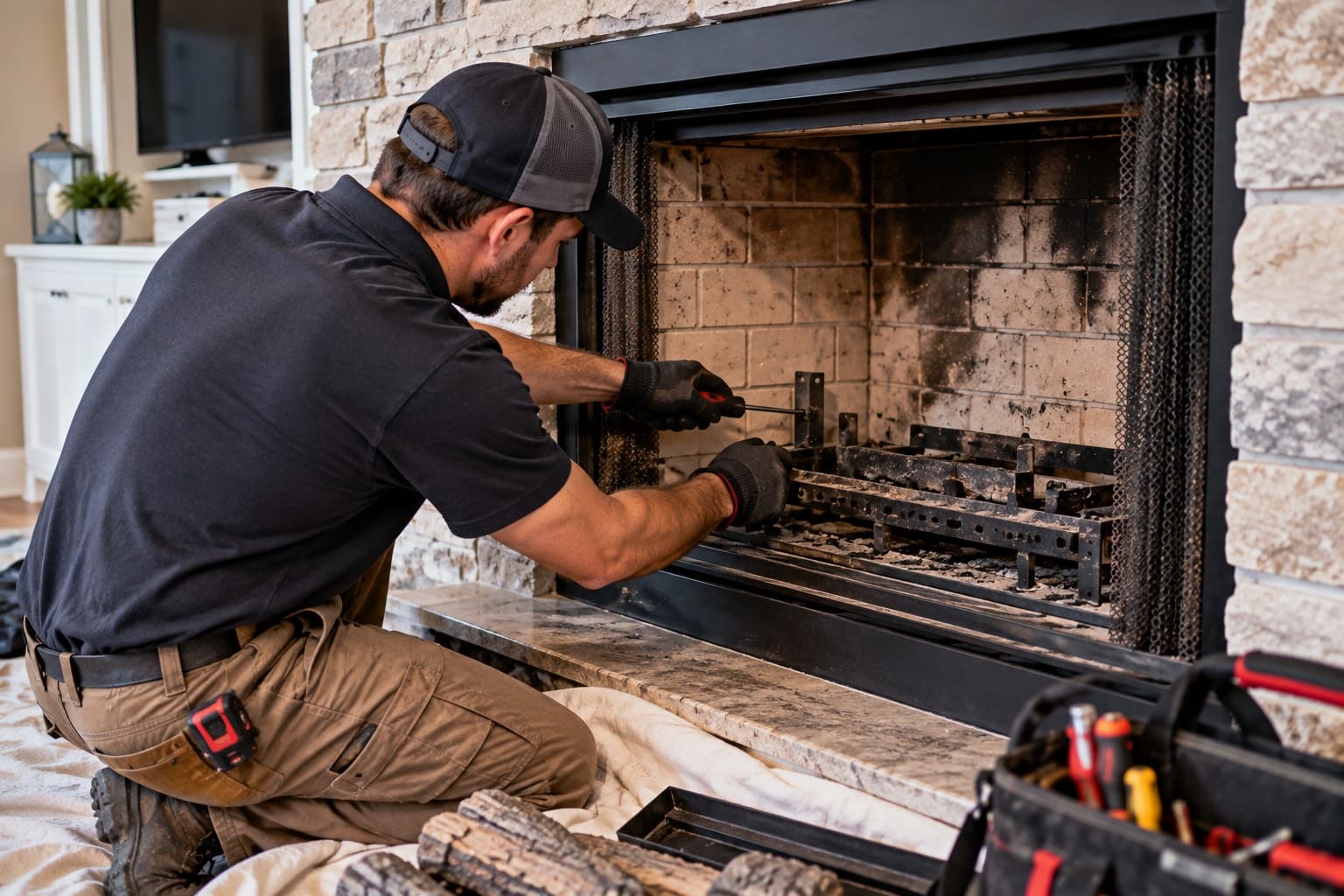
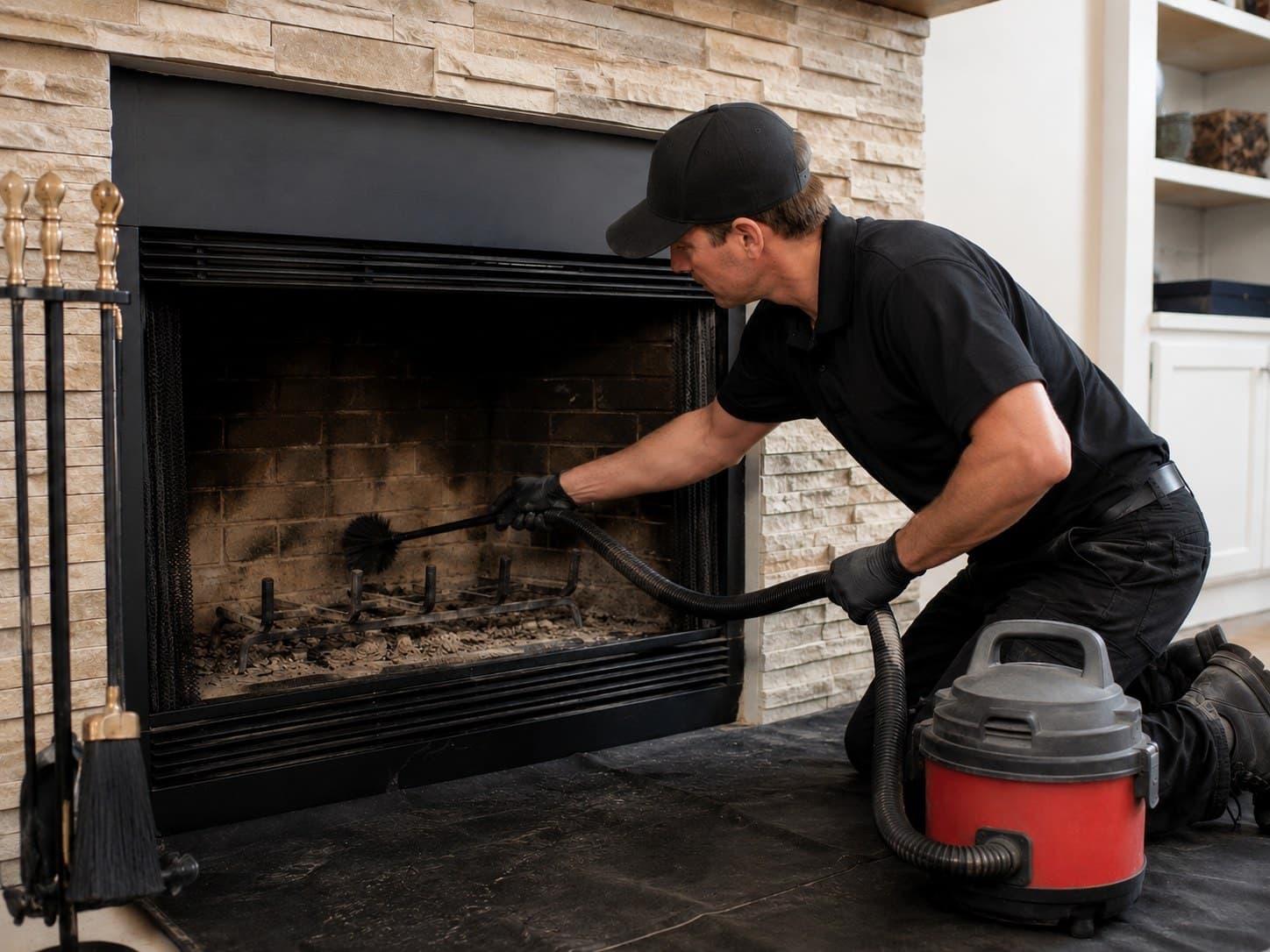
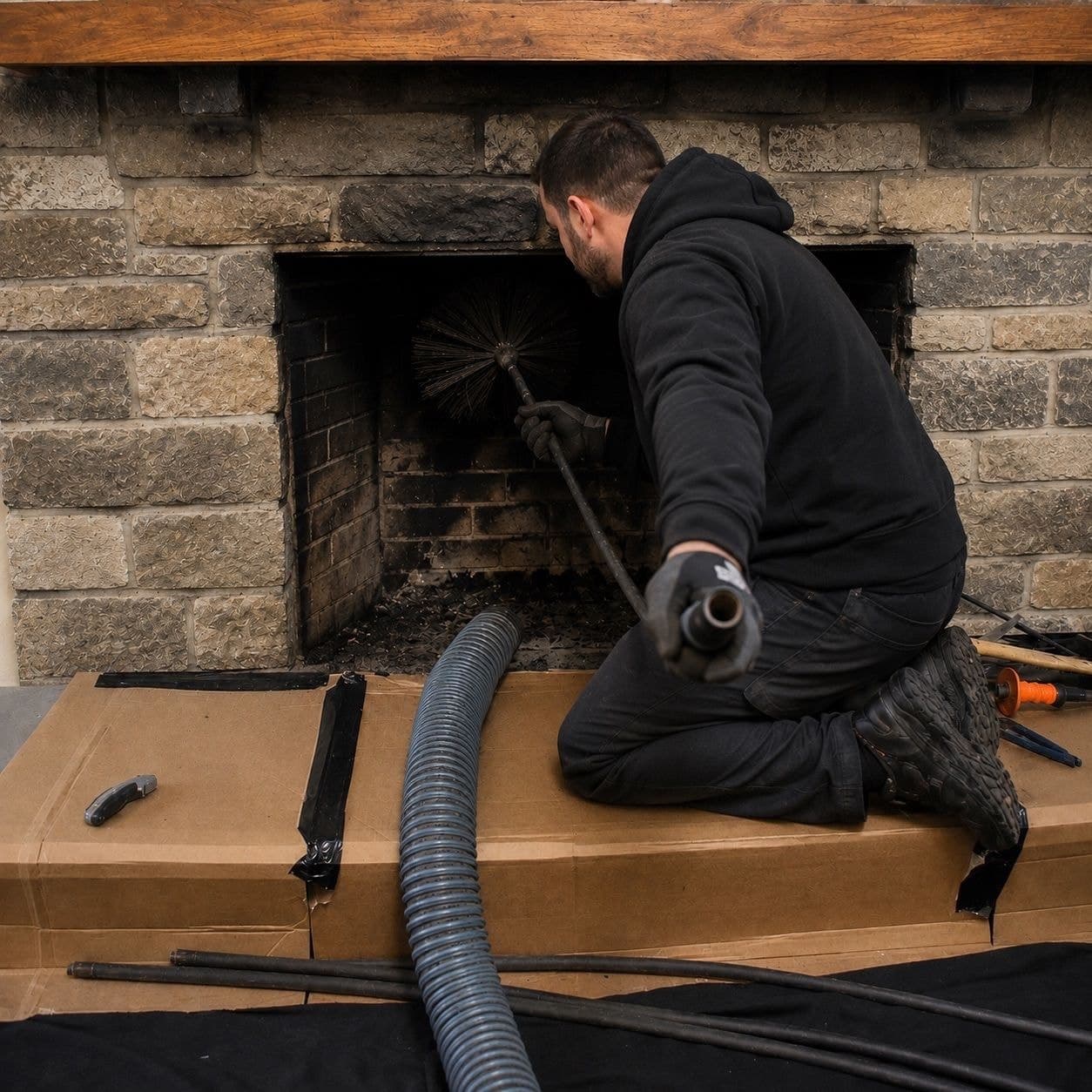
Refractory panels are molded slabs of heat-resistant ceramic material that line the back, sides and floor of a factory-built wood fireplace. Many are cast with a brick or herringbone pattern. They absorb and reflect heat and keep the fire off the steel firebox behind them, which in turn keeps heat away from the wood framing around the fireplace. The fireplace, its panels and its chimney are tested together under UL 127 (Intertek).
Factory-built fireplace and chimney chase, cutaway
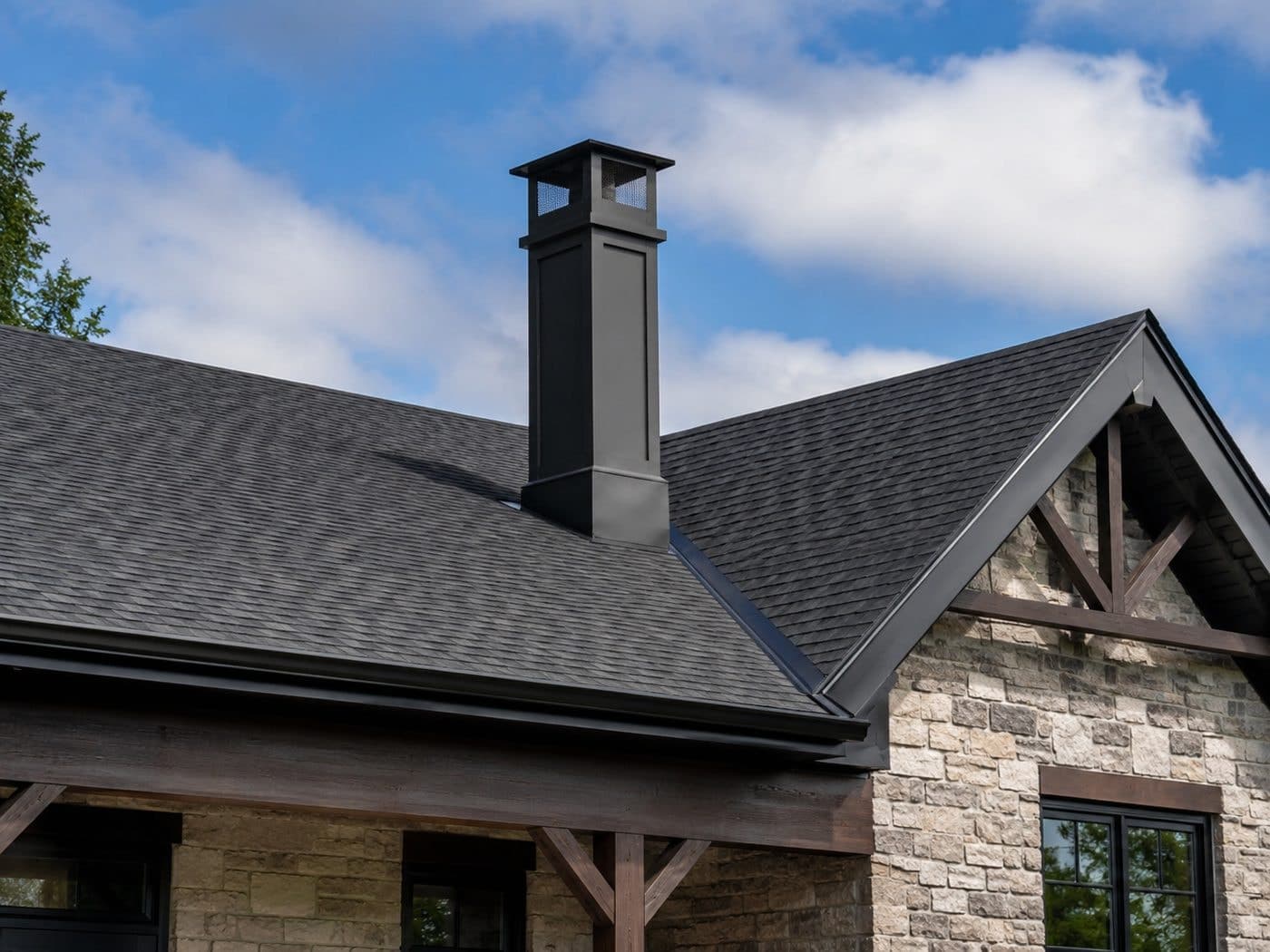
- 1Termination cap. The listed cap on top of the metal chimney pipe.
- 2Storm collar. Sealed band around the pipe that sheds water onto the chase cover.
- 3Chase cover. Sheet-metal top of the framed chase. Should slope, with a raised collar and drip edge.
- 4Chase. The wood-framed box, finished in siding or stucco, that encloses the chimney pipe.
- 5Chimney pipe. Listed metal flue sections made for this specific fireplace model.
- 6Fireplace unit. The factory-built metal firebox, tested and listed as one system with its chimney.
- 7Refractory panels. Molded liner panels lining the unit's firebox. Replaced only with listed parts.
Refractory panels vs firebrick
| Feature | Refractory panels | Firebrick |
|---|---|---|
| Found in | Factory-built (prefab) fireplaces | Masonry fireplaces |
| Form | A few large molded sections | Individual bricks set in refractory mortar |
| Repair | Replaced as panels, matched to the model | Individual bricks and joints repaired |
| Rules | Must follow the manufacturer’s listing | Built to code with heat-rated materials |
Found in
- Refractory panels
- Factory-built (prefab) fireplaces
- Firebrick
- Masonry fireplaces
Form
- Refractory panels
- A few large molded sections
- Firebrick
- Individual bricks set in refractory mortar
Repair
- Refractory panels
- Replaced as panels, matched to the model
- Firebrick
- Individual bricks and joints repaired
Rules
- Refractory panels
- Must follow the manufacturer’s listing
- Firebrick
- Built to code with heat-rated materials
How much cracking is acceptable?
Fine hairline cracks are expected in refractory panels and are not, by themselves, a reason to stop using the fireplace. What matters is the width of the crack, whether pieces are missing, and whether any metal shows behind the panel. Manufacturers state their own limits in the owner’s manual, often as a maximum crack width or a rule that no pieces may be missing. When a crack reaches that limit, or you can see the steel behind it, the panel is replaced before the next fire.
| Condition | What it usually means | Typical action |
|---|---|---|
| Hairline surface cracks | Normal heat cycling | Keep an eye on them |
| Cracks wider than the manual allows | Panel losing its protective thickness | Replace the panel |
| Crumbling, eroded or thin areas | Wear, water damage or overfiring | Replace; investigate the cause |
| Missing pieces or visible metal | The firebox is exposed to direct heat | Stop using; replace |
| Panels loose or shifting | Retainers or clips missing | Refit with the correct hardware |
Why panels fail early
- Water from the chase top soaking the panels, then heat cracking them. See rust on a chimney chase.
- Large, hot fires or burning pallets, trash or treated wood.
- Logs dropped or thrown against the back panel.
- Grates placed against the panels instead of the listed position.
- Age: panels are consumable parts.
How replacement works
Identify the fireplace
The make and model are read from the rating plate so the correct listed panel set can be ordered.
Check the firebox behind
Old panels come out and the steel is checked for rust-through or warping.
Fit and secure
New panels go in with the correct retainers, in the order the manual specifies.
Cure
Some panels need a gentle first burn; the manual gives the procedure.
If the steel behind the panels is rusted through or parts are no longer available, the question becomes repair or replace. That’s covered in how long prefab fireplaces last and a rusted prefab fireplace. Panel sets are covered under refractory panel replacement.
Panels rarely fail alone: water from above often starts it, so chase cover materials and water coming through a chimney are worth reading together. If you’re unsure whether your fireplace uses panels or firebrick, masonry vs prefab fireplaces explains how to tell, and a cracked firebox covers when cracking means stop. For panel work in newer homes, see fireplace repair in Clermont.
References (1)
Facts and figures on this page come from these references.