If you smell gas, don’t relight
A rotten-egg smell near the fireplace means stop. Don’t try to light the pilot or use switches or phones inside. Leave the home and call the gas utility or 911 from outside. See what to do if your gas fireplace smells like gas.
How a pilot is supposed to stay lit
On a standing-pilot fireplace you hold the control knob in to let gas reach the pilot, light it, and keep holding while a sensor heats up. When you let go, gas keeps flowing only if that sensor is producing enough electricity to hold the safety valve open. If it isn’t, the valve closes and the pilot goes out. That design keeps unburned gas from flowing into the room when there is no flame.
Thermocouple vs thermopile
| Feature | Thermocouple | Thermopile |
|---|---|---|
| What it does | Generates a very small current that holds the pilot safety valve open. | Several junctions stacked together to generate more power, enough to run the gas valve and the wall switch or remote. |
| Typical symptom when weak | Pilot lights but goes out as soon as you release the knob. | Pilot stays lit but the main burner won’t come on, or cuts out after a short time. |
| Where you’ll find it | Older or simpler gas logs and fireplaces. | Most standing-pilot fireplaces controlled by a wall switch or remote. |
What it does
- Thermocouple
- Generates a very small current that holds the pilot safety valve open.
- Thermopile
- Several junctions stacked together to generate more power, enough to run the gas valve and the wall switch or remote.
Typical symptom when weak
- Thermocouple
- Pilot lights but goes out as soon as you release the knob.
- Thermopile
- Pilot stays lit but the main burner won’t come on, or cuts out after a short time.
Where you’ll find it
- Thermocouple
- Older or simpler gas logs and fireplaces.
- Thermopile
- Most standing-pilot fireplaces controlled by a wall switch or remote.
Many fireplaces have both: a thermocouple that keeps the pilot alive and a thermopile that powers the burner controls. Both sit in the pilot flame, so anything that weakens or moves that flame affects both.
Possible causes
Why the pilot keeps going out
01Weak or worn thermocouple
- What you may notice
- Pilot lights normally but goes out within seconds of releasing the knob, even after holding it the full time the manual specifies.
- How it’s confirmed
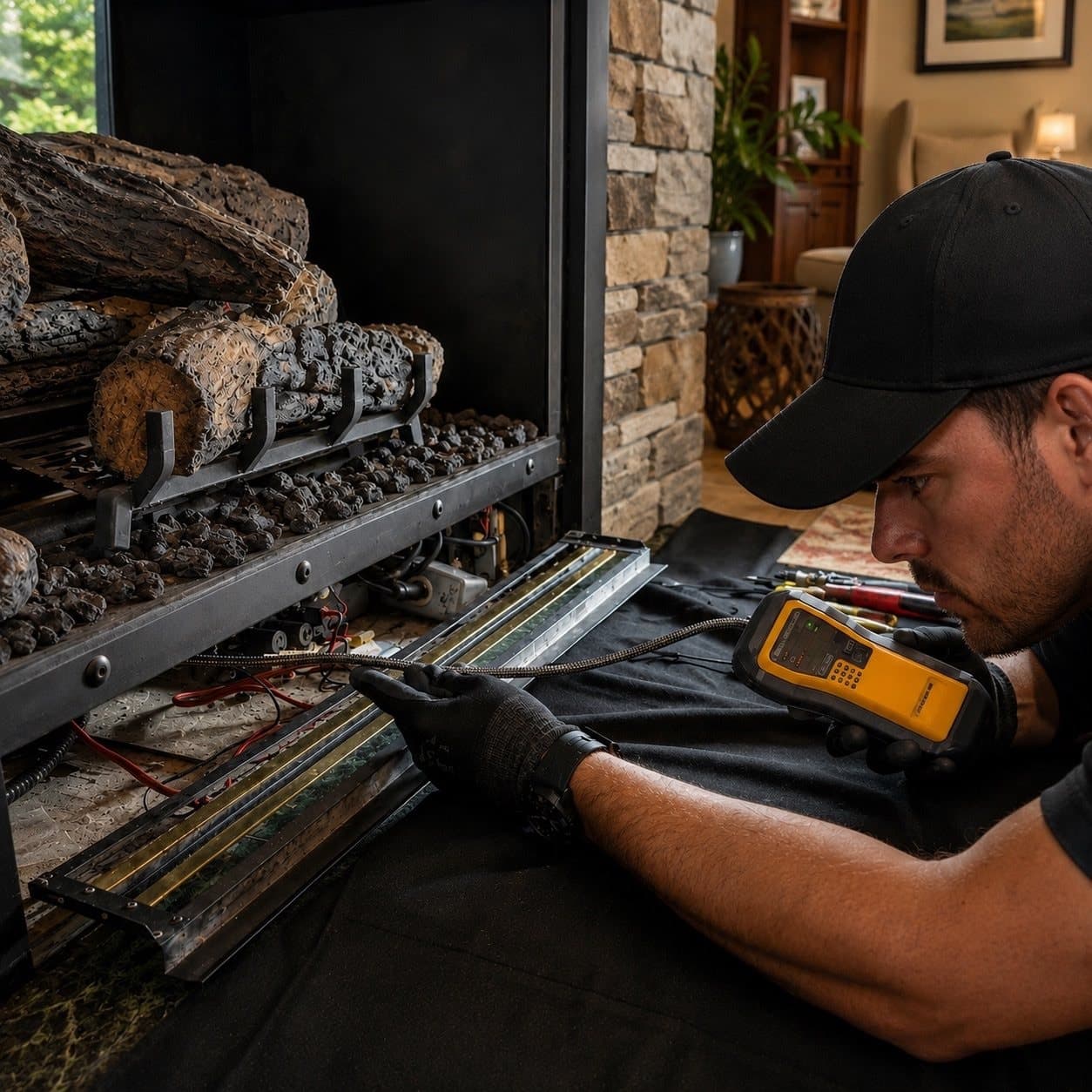
- Measuring the sensor output with a meter and checking its position in the flame and its connection at the valve.
02Dirty or partly blocked pilot orifice
- What you may notice
- Small, weak or yellow pilot flame. Common after months unused, when dust, lint and insects collect in the pilot hood.
- How it’s confirmed
- Disassembly and cleaning of the pilot assembly by a technician. This is not a homeowner job.
03Flame not reaching the sensor
- What you may notice
- Pilot is lit but the flame is lifting away from or not wrapping around the thermocouple or thermopile.
- How it’s confirmed
- Checking the pilot hood, sensor bracket and gas pressure so the flame envelops the sensor tip.
04Drafts
- What you may notice
- Pilot goes out when the AC kicks on, a ceiling fan runs, a door slams or the wind picks up outside.
- How it’s confirmed
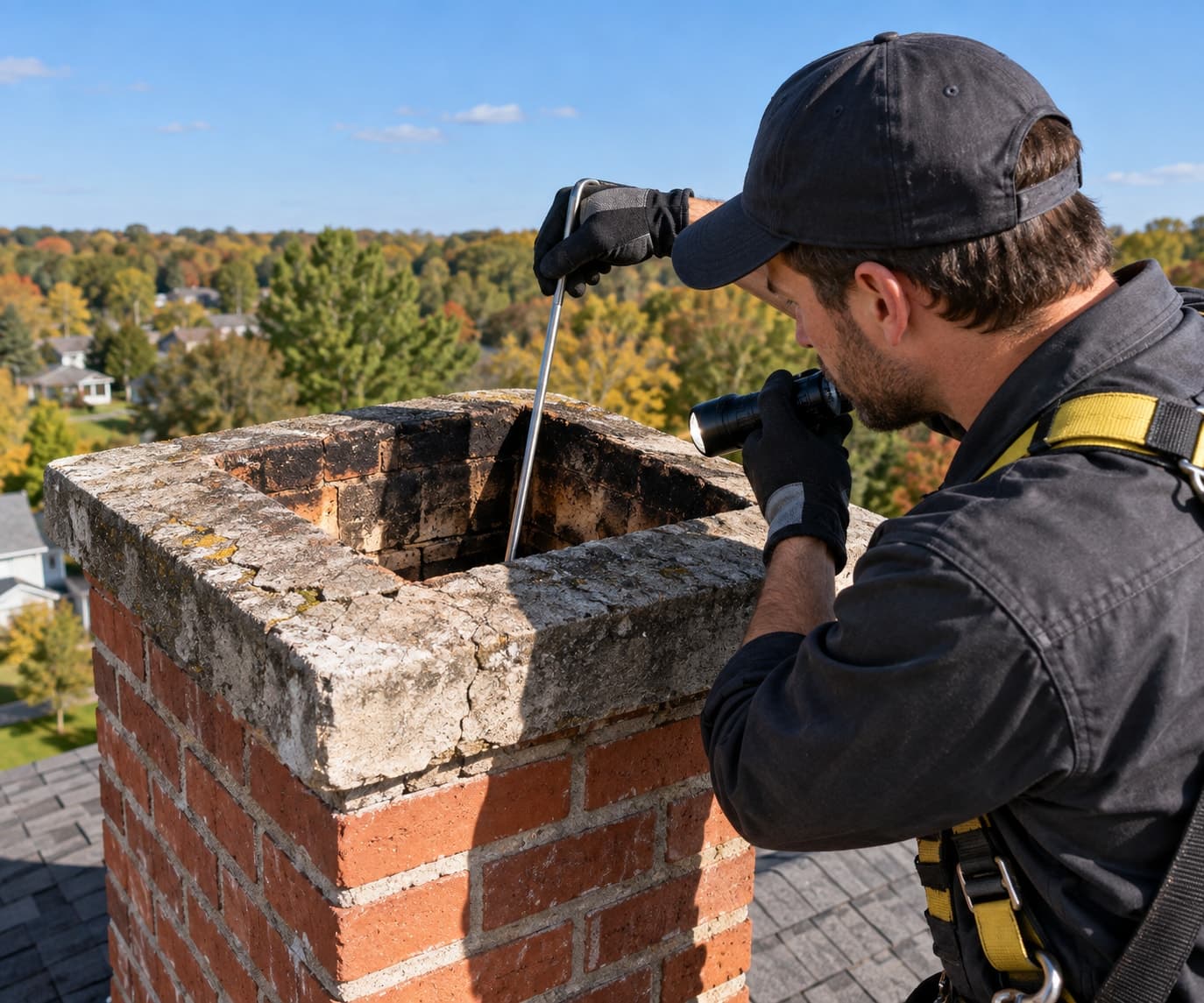
- Checking the glass and gaskets on sealed units, the vent termination outside and any open damper on gas log sets.
05Gas supply or pressure problem
- What you may notice
- Pilot is small and flickery, or other gas appliances also act up. A propane tank running low can cause the same thing.
- How it’s confirmed
- Measuring supply pressure at the valve against the rating plate.
06Loose connection or failing valve
- What you may notice
- Pilot behavior is erratic even after the sensor has been replaced.
- How it’s confirmed
- Checking connections at the gas valve and testing the valve itself.
What the pilot flame tells you
Look through the glass without opening anything. A healthy pilot is mostly blue, steady and strong enough to wrap around the tip of the thermocouple or thermopile. Some manufacturers call for a particular shape, so compare with the diagram in your manual.
- Small and weak: often a dirty orifice or low gas pressure.
- Yellow or orange and lazy: incomplete combustion, often dirt in the pilot or poor air supply. Leave it off and have it checked.
- Lifting or blowing off the pilot hood: pressure or draft issues.
- Flickering and bending away from the sensor: a draft, or a pilot hood knocked out of position.
Safe homeowner checks
- Confirm the gas supply valve for the fireplace is open, and that a propane tank isn’t low.
- Follow the lighting instructions on the rating plate or in the manual exactly, including how long to hold the knob and how long to wait between attempts.
- Turn off ceiling fans and close nearby doors while lighting, and note whether the AC switching on seems to put the pilot out.
- Replace batteries in the remote or receiver, since a pilot-type fireplace may still need them to run the burner.
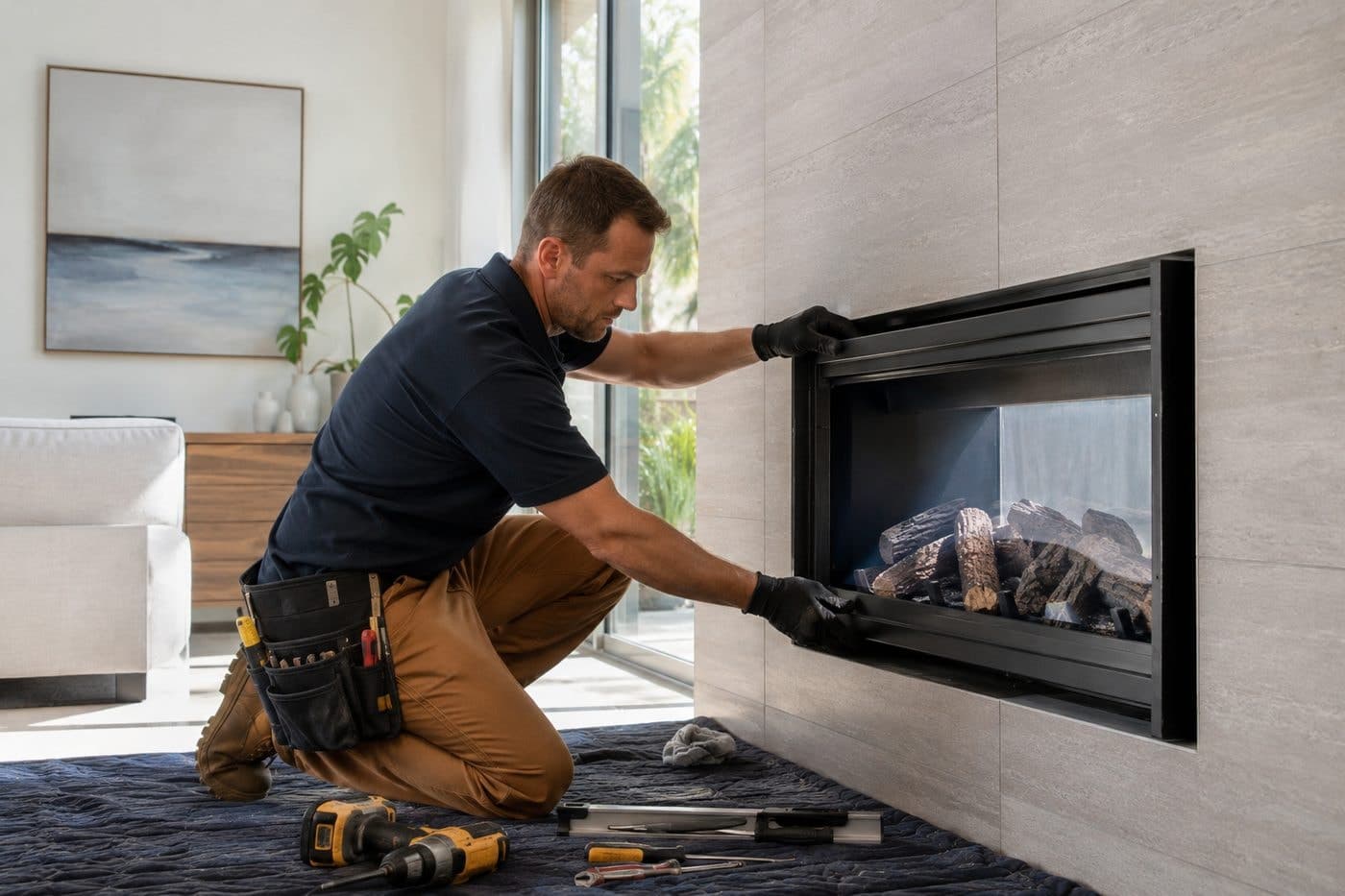
If the pilot won’t hold after two or three attempts, stop. Don’t clean the orifice with a pin, bend the sensor into the flame, or hold the knob down with a clamp or weight. Those tricks either don’t work or defeat the safety system. Valve, pilot and sensor work belongs to a gas fireplace technician; gas-line work is a separate job from appliance service, and we carry that out too.
Should you turn the pilot off in the Florida off-season?
Orlando’s January lows average around 52 °F and a freezing night happens about once a year (Current Results), so many fireplaces here sit idle for most of the year. Turning a standing pilot off for that stretch saves the gas it burns around the clock, and it keeps a small flame from adding heat to a house the AC is trying to cool.
The trade-off: some technicians and manufacturers point out that a lit pilot keeps the assembly warm and dry and discourages insects from nesting in it. That is practical experience, not a rule. Check your manual, which may give specific guidance for your model. If you turn it off, plan an annual service before you relight it in the cooler months, so dust and insects are cleared first.
Red flags
- Any gas smell while trying to light the pilot.
- A yellow, sooty pilot or soot on the glass.
- The pilot goes out when the burner comes on, or the burner lights with a bang.
- A carbon monoxide alarm sounds: leave the home and call 911.
What professional diagnosis involves
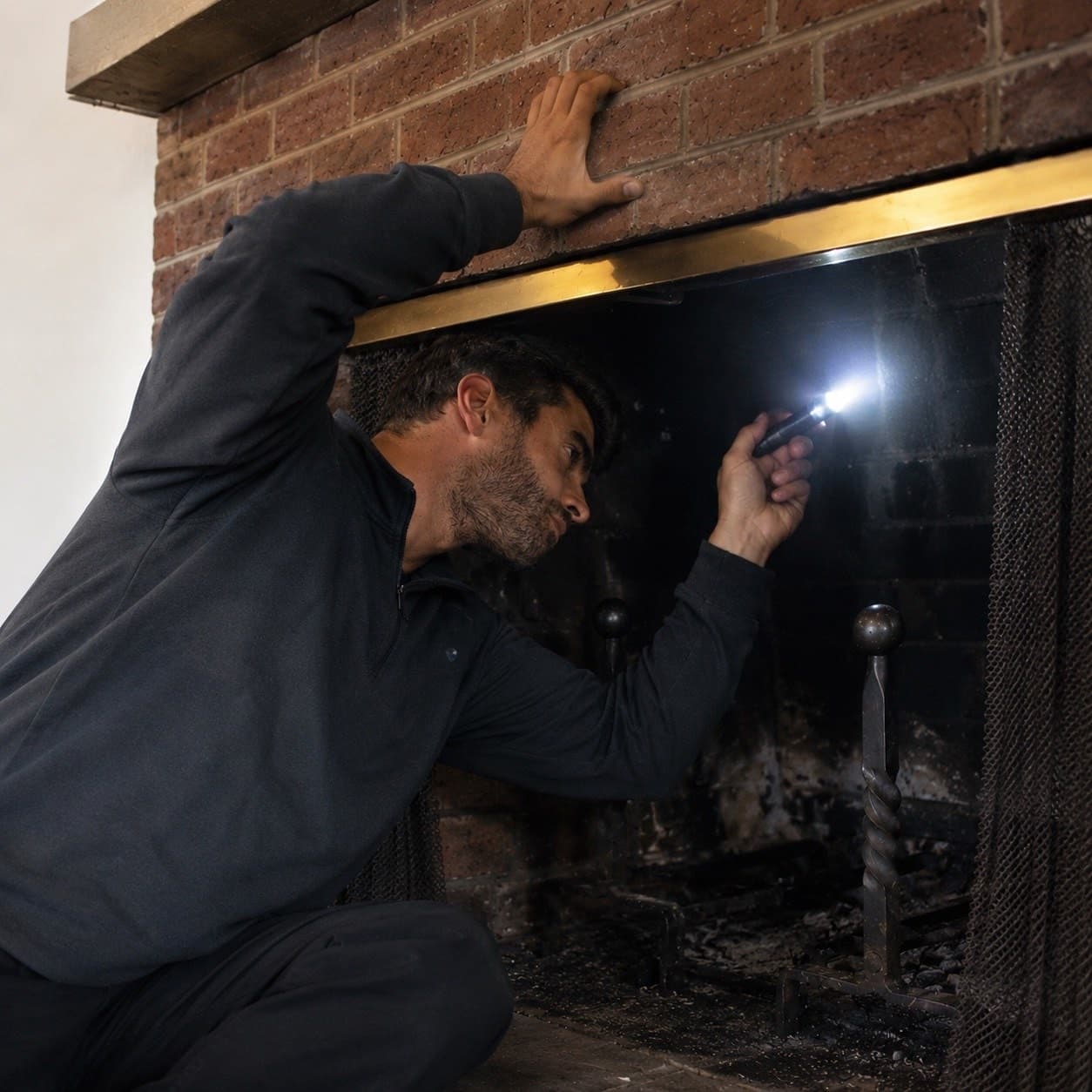
A technician confirms gas supply and pressure, measures the thermocouple and thermopile output, cleans the pilot assembly, checks the flame against the manufacturer’s specification and tests the gas valve. On direct-vent units the glass seal and vent termination are also checked, since a bad seal or damaged cap outside can starve or blow out the pilot. You get the findings before any part is replaced. Failed parts are handled under gas fireplace repair; the yearly clean-and-check is gas fireplace service; and a chimney inspection covers the venting.
When the pilot still won’t hold
| Likely fault | Where it’s fixed |
|---|---|
| Thermocouple or thermopile worn out | replacing the flame sensor |
| Dirty pilot hood or weak pilot flame | pilot cleaning during a service visit |
| Downdraft or vent problem blowing it out | a vent inspection |
A pilot that won’t stay lit is also the most common reason a gas fireplace won’t light. Background: gas fireplace maintenance.
References (4)
Facts and figures on this page come from these references.