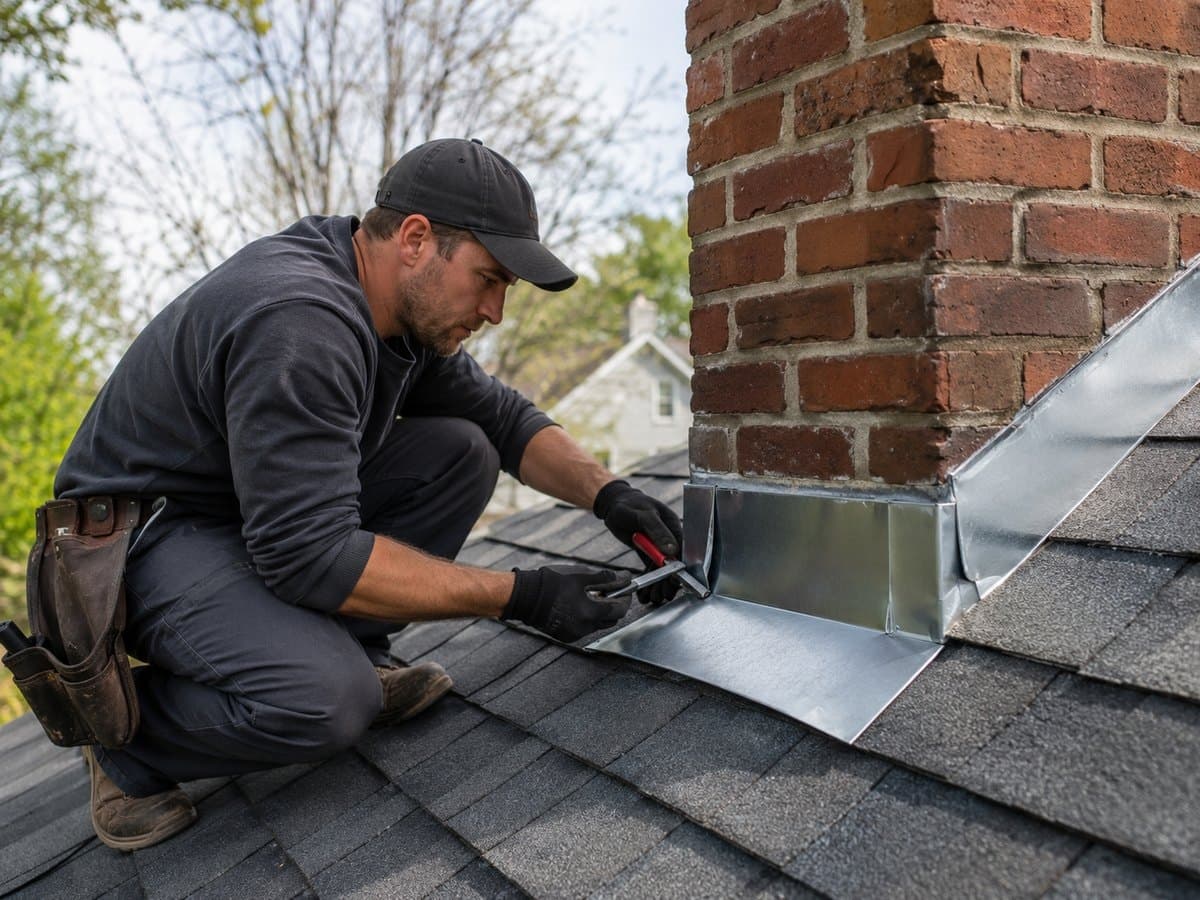
Many Ocoee chimneys are framed chases from the 1990s and 2000s, now at the age when original covers and storm collars start to rust and lose their seal. It explains most of the leak calls.
Every way water gets into a chimney
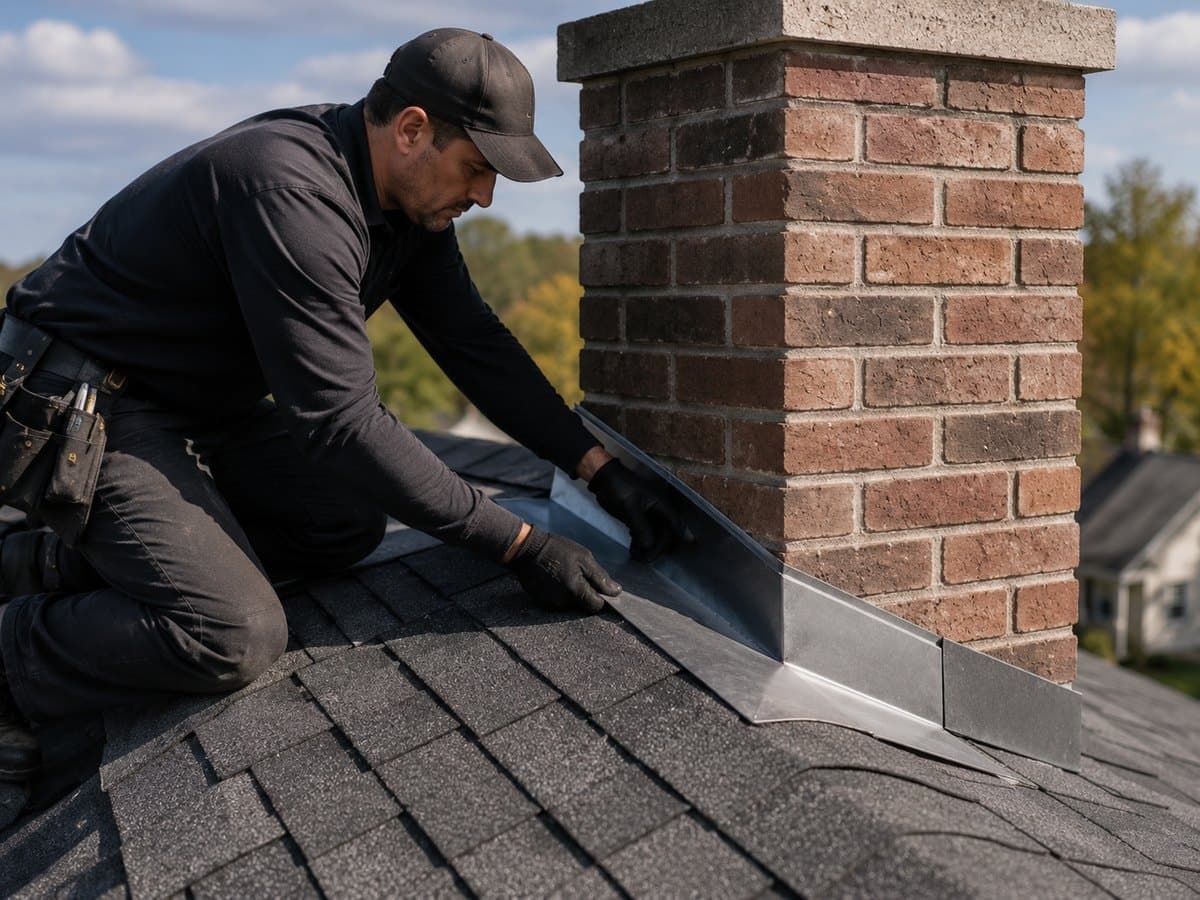
- Flashing at the roof-to-chimney junction, often disturbed at a reroof; see roof-line flashing repair
- The crown, cracked or with no overhang; see chimney crown work
- No cap, or a damaged one, letting rain straight down the flue; see a new chimney cap
- Chase covers and storm collars on framed chases; see chase cover repair
- The brick and mortar, absorbing wind-driven rain through open joints
Leaks in Ocoee
A galvanized chase cover that has held water for two decades is the classic source here, usually announced by rust streaks on the siding below it.
Trace first, seal last
The most common chimney leak mistake is sealing everything in sight. Surface sealers over failed flashing or a cracked crown don’t last, and a film-forming coating on brick can trap water inside it. Checking one entry point at a time takes longer, but it is the only way the repair lands on the part that actually leaks.
If you’re still at the “what is this?” stage, why water comes through a chimney explains the common causes.
Leak or condensation?
Not all water in a chimney is rain. A flue that is oversized or poorly insulated for a gas appliance can condense moisture from exhaust, leaving stains that appear with no rain at all. That is fixed with liner work, not flashing or a crown.
If stains line up with rain, it’s a leak; if they don’t, the flue is checked instead. the common causes of water in a fireplace explains how to tell.
Water now, damage later
A leak left for years turns into masonry damage: eroded joints, spalling brick, rusted dampers and rotted chase framing. Once that has happened, the job includes repair for damaged masonry as well as stopping the water, and the yearly inspection shows how far it has gone.
Leaks around Ocoee
- Anywhere in Ocoee: tell us where the water shows up and when
- Nearby: help with chimney water entry in Winter Garden, service for leaking chimneys in Windermere and Apopka chimney leak repair
- Other work on the house: services for homes in Ocoee
Depending on what’s found, the work may also involve a vapor-permeable repellent.
For the full background, see how chimney leak repair works and how Florida storms find chimney leaks.
References (3)
Every Ocoee figure above, with its source.