The rule: inspect yearly, clean when needed
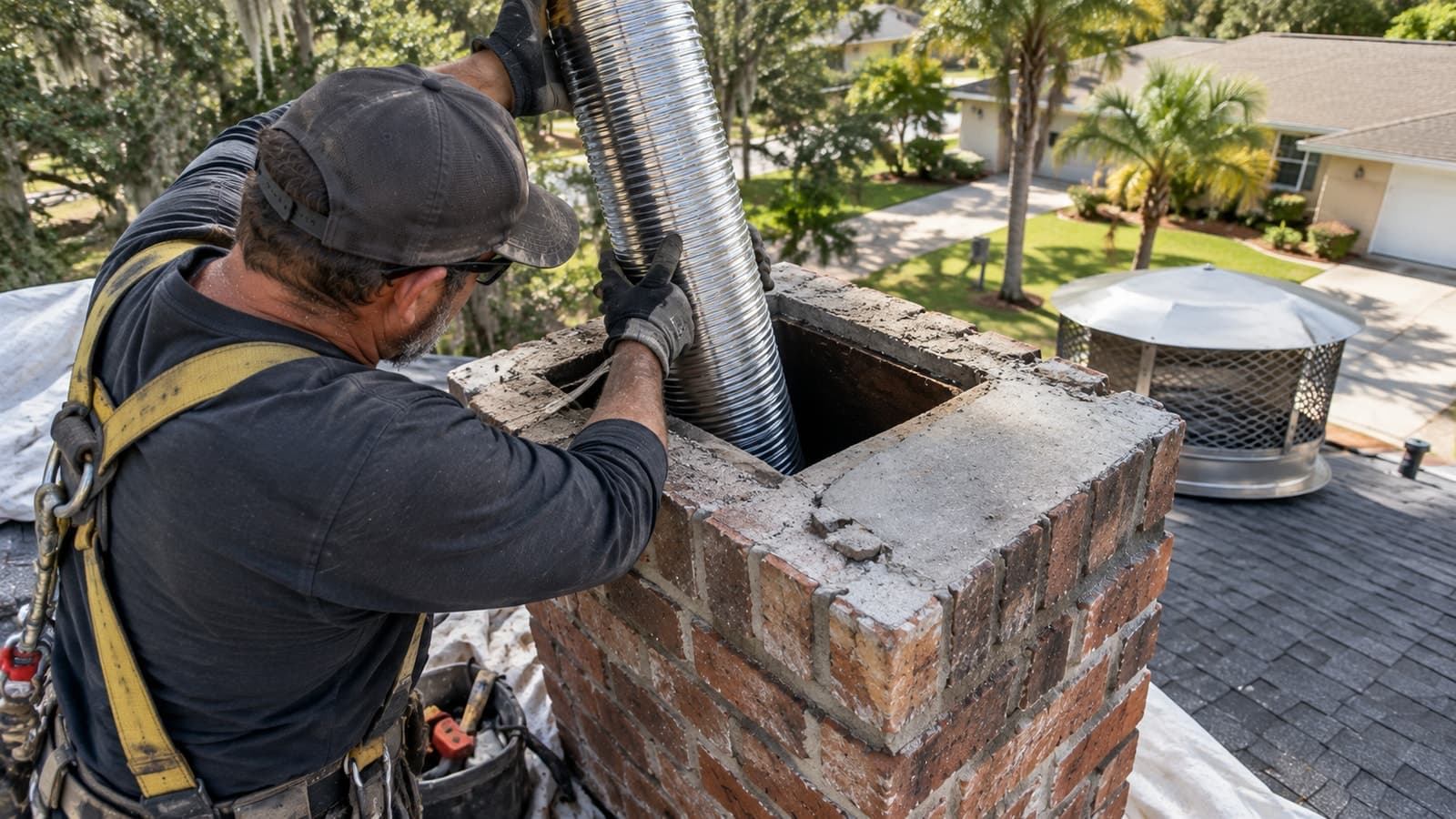
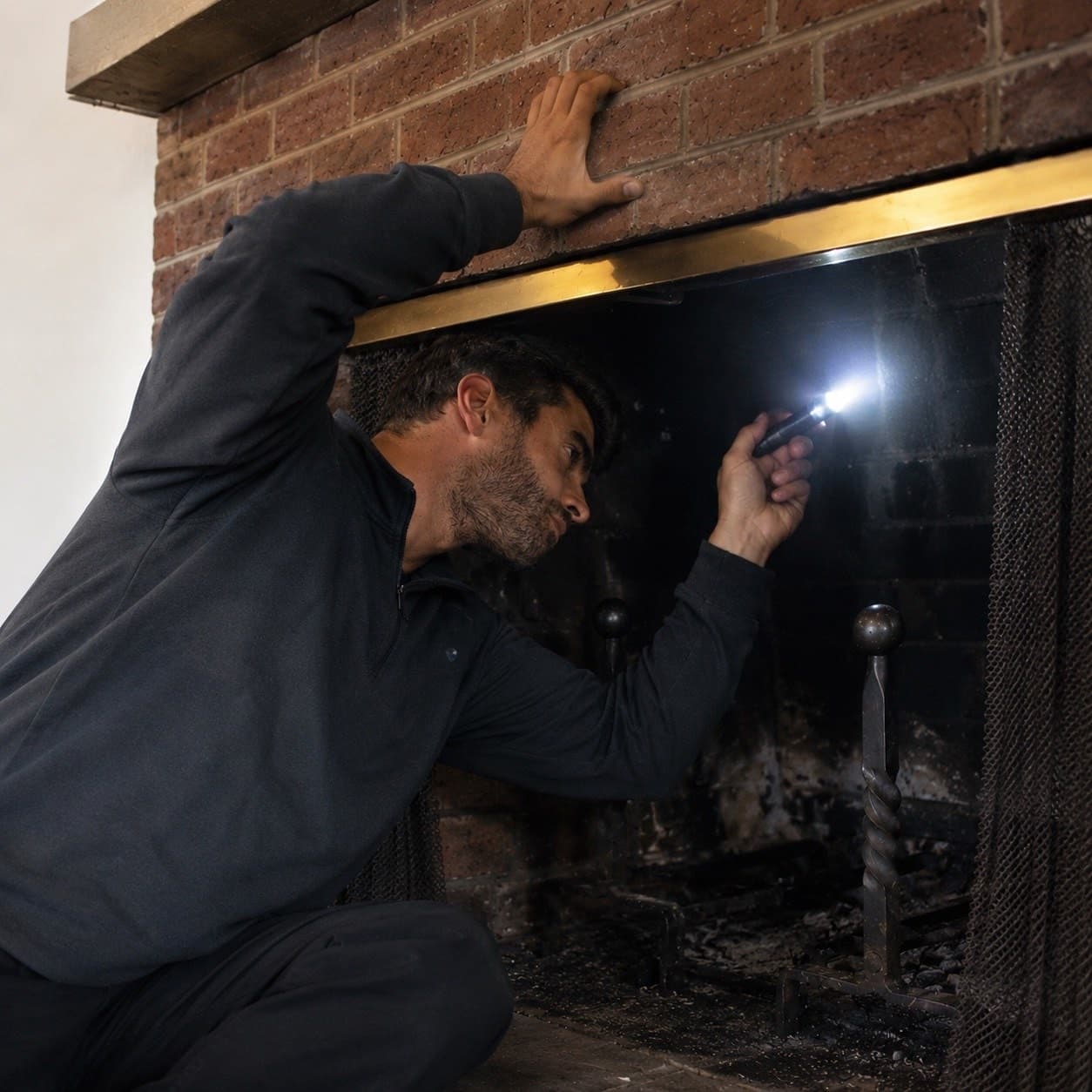
The national standard for chimneys, fireplaces and vents is NFPA 211. Its core maintenance rule is that chimneys, fireplaces and vents should be inspected at least once a year and cleaned and repaired if necessary (Chimneys.com summary of NFPA 211; NFPA 211).
Notice the two different frequencies in that sentence. Inspection is on a calendar: once a year. Cleaning is on condition: when there are measurable deposits of creosote or other combustible material, or debris in the flue. A lot of confusion comes from treating them as the same thing.
Why Florida is different (and why it isn’t)
Orlando’s January lows average about 52 °F, and the city typically sees about one night a year at or below freezing (CurrentResults, NCEI normals). Most fireplaces here get lit a handful of times a year, usually around the first cold fronts and the holidays. Less burning means less creosote, so a Central Florida wood-burning chimney often doesn’t need sweeping every single year.
What the climate doesn’t change is the reason for the inspection. The problems that develop in Florida chimneys mostly have nothing to do with how often you burn:
- Water. Orlando averages about 51.5 inches of rain a year, concentrated in the June–September wet season (NWS Melbourne). Crowns crack, flashing loosens and metal chase covers rust whether the fireplace is used or not.
- Humidity. Average relative humidity is around 74% (CurrentResults). Damp flues and fireboxes are where musty odors and rust start.
- Animals. Birds, squirrels and other animals look for sheltered openings. Chimney swifts are protected by the federal Migratory Bird Treaty Act, so a nest found mid-season has to be left until the young leave (USFWS).
- Storms. A cap or chase cover that shifted in a summer storm can let water and animals in for months before anyone notices.
So the realistic Florida pattern is: a yearly inspection for everyone with a chimney, and a sweep when the inspection or your burn habits call for it.
A practical schedule by fireplace type
| System | Inspection | Cleaning / service |
|---|---|---|
| Wood-burning fireplace, used a few times a year | Once a year | When the inspection finds creosote, soot buildup or debris |
| Wood-burning fireplace, used regularly in winter | Once a year, before the cool season | Often yearly; more if deposits build quickly |
| Fireplace never or almost never used | Once a year (water, animals, rust) | Only if debris, nests or deposits are found |
| Gas fireplace or gas logs | Once a year, including the vent | Per the manufacturer’s instructions; by a qualified gas technician |
| Dryer vent | Check airflow and the exterior hood regularly | When lint builds up or drying slows; clean the lint filter every load |
Wood-burning fireplaces
If you burn wood, the inspection tells you whether the flue needs cleaning. Signs you may need a chimney sweep sooner include a strong campfire smell in humid weather, flakes of black material falling onto the smoke shelf or damper, smoke rolling into the room, or a fire that is hard to get drawing. Burning dry, seasoned hardwood and avoiding smoldering fires keeps deposits down.
Gas fireplaces and gas logs
Gas doesn’t produce creosote the way wood does, but NFPA 211’s annual inspection covers vents as well as chimneys. A yearly look confirms that the vent or flue is clear and intact, that the termination cap is in place and that nothing is nesting in it. Follow your appliance manual for burner and pilot service, and leave valve, pilot and burner work to a qualified gas fireplace technician; gas-line work is a separate job from appliance service, and we carry that out too. If you ever smell a strong gas odor, leave the home and call the gas utility or 911 from outside.
Dryer vents
Dryer vents aren’t chimneys, but they follow the same logic: the vent needs to stay clear no matter how new the house is. The U.S. Fire Administration advises cleaning the lint filter before and after each cycle, checking that the vent behind the dryer isn’t crushed or restricted, and making sure the outdoor vent covering opens when the dryer runs (USFA dryer safety flyer). Many Florida homes route the vent a long way to a roof or side wall, and those long runs are where lint collects. If loads take longer to dry or the laundry room gets hot, it’s time for dryer vent cleaning.
What triggers a check outside the yearly cycle
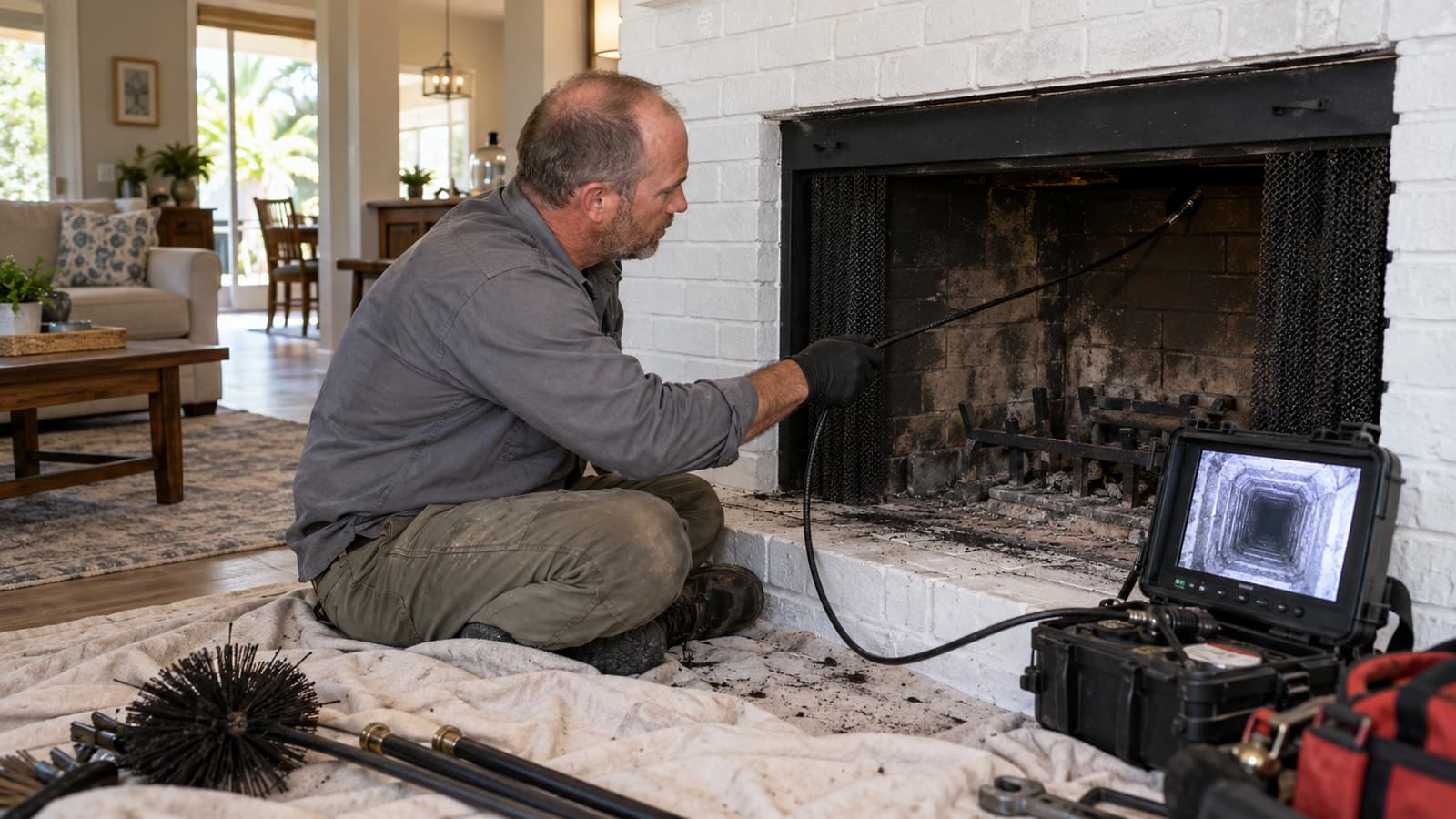
Some events are reasons to look at the chimney now rather than waiting for the annual date. NFPA 211’s inspection levels reflect this: a more detailed Level 2 inspection, which industry procedures describe as including a video scan of the flue, fits a newly purchased home or a planned change to the system, and deeper checks are for situations where an event may have compromised safety (Chimneys.com).
Schedule a check when…
- A hurricane or strong storm has passed and a cap, chase cover or flashing may have moved
- You are buying or selling a home with a fireplace
- You hear scratching, chirping or rustling in the chimney, or see nesting material
- The fireplace smells musty, smoky or like tar, especially in humid weather
- Water shows up in the firebox, or stains appear on walls or ceilings near the chimney
- Rust streaks run down the chase siding from the top of the chimney
- You plan to use a fireplace that has sat idle for a year or more
- You had a chimney fire, or suspect one (loud roaring, dense smoke, flakes on the roof)
Animals in the chimney
Don’t light a fire to drive animals out. Chimney swifts are federally protected, and bats in Florida have a maternity season from April 16 to August 14 when exclusion isn’t allowed without a permit (FWC). Identify what’s there first, then plan removal and capping at the right time.
When to schedule in Central Florida
There is no bad month for an inspection, but two windows are practical. Late spring, before the wet season and hurricane season start on June 1, is a good time to confirm the cap, crown or chase cover and the flashing are ready for heavy rain. Early fall, before the first cold front, is a good time if you mostly care about using the fireplace, because any sweeping or repair can be done before you light it.
Whenever you schedule, a standard chimney inspection should cover the firebox, damper, flue, the top of the chimney and the roof penetration, with the findings explained before any repair is scheduled.
When the yearly check does find a problem, the symptom pages help you judge it: how much creosote is too much, a chimney that smells in humid weather and birds nesting in the flue. For the visit itself, what happens during a sweep walks through each step, and area pages such as a chimney sweep in Clermont or chimney cleaning around Kissimmee cover scheduling in those towns.
References (8)
Facts and figures on this page come from these references.
- 1Chimneys.com: NFPA 211 and your chimney
- 2NFPA 211: Standard for Chimneys, Fireplaces, Vents, and Solid Fuel-Burning Appliances
- 3CurrentResults: Orlando weather averages (NCEI normals)
- 4NWS Melbourne: The Florida rain machine
- 5USFWS: Chimney swifts
- 6FWC: Bat maternity season
- 7U.S. Fire Administration: Clothes dryer fire safety
- 8NHC: Tropical cyclone climatology